Between Humanity
Play Between Humanity
Between Humanity Screenshots
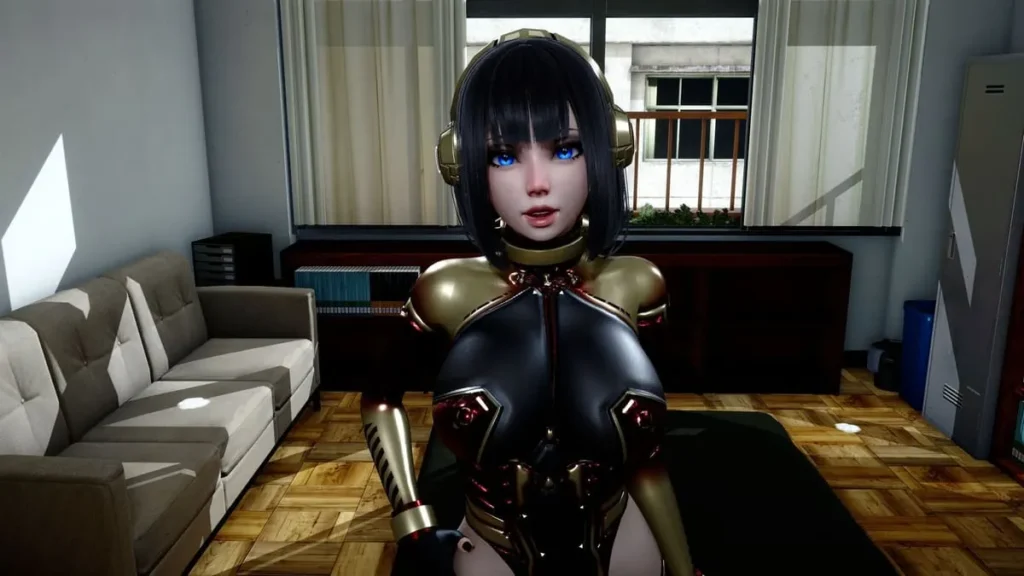

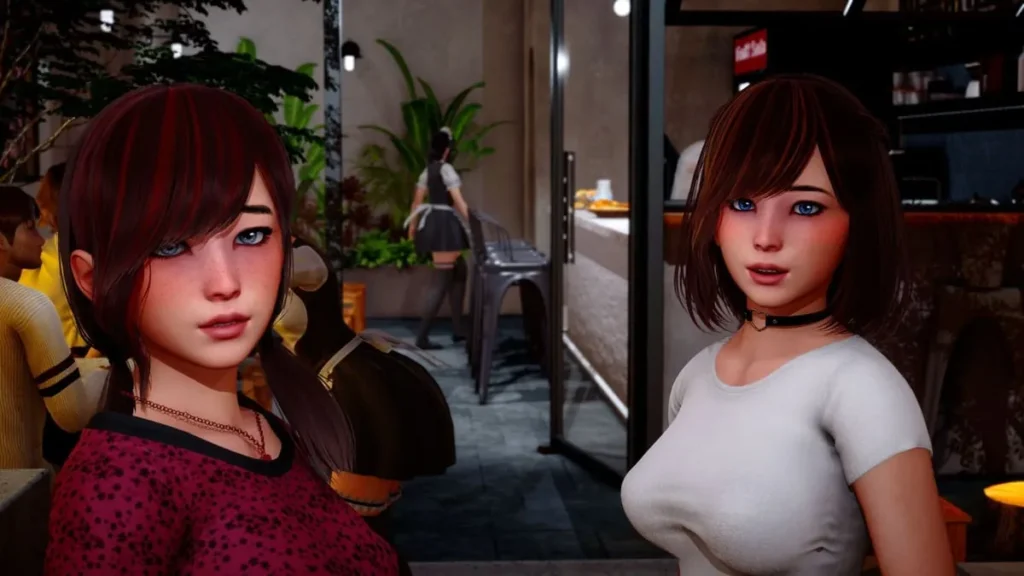
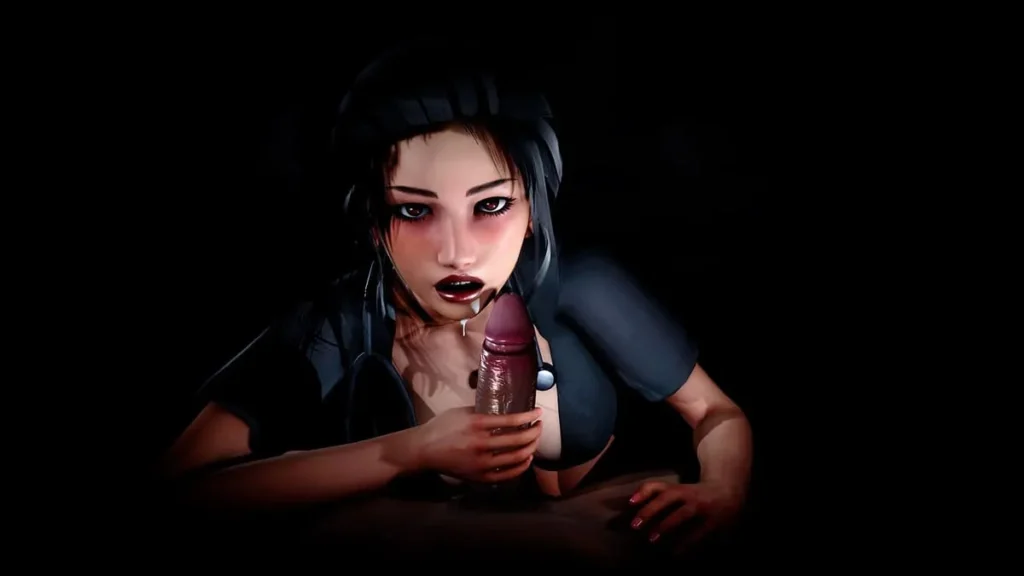
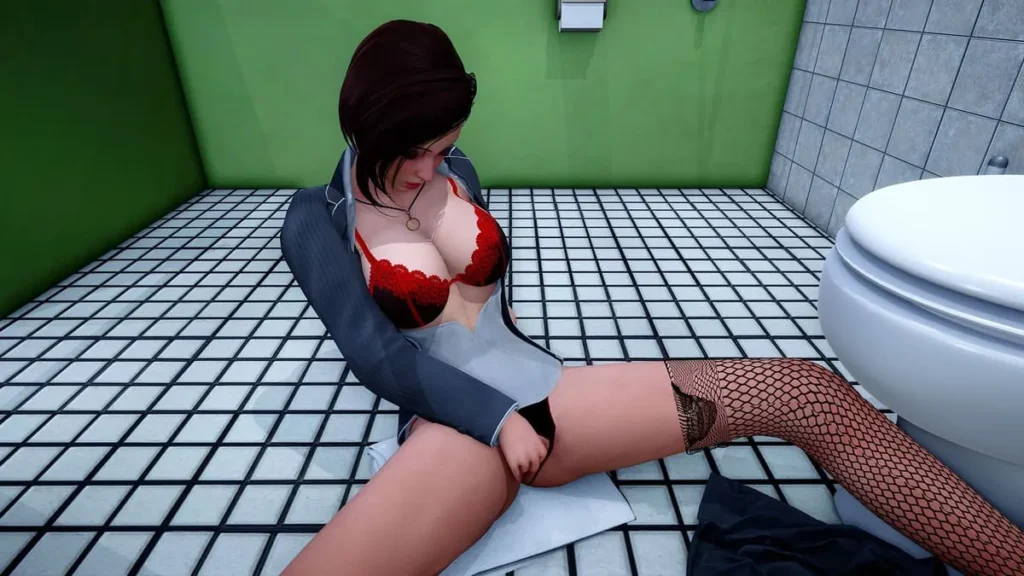


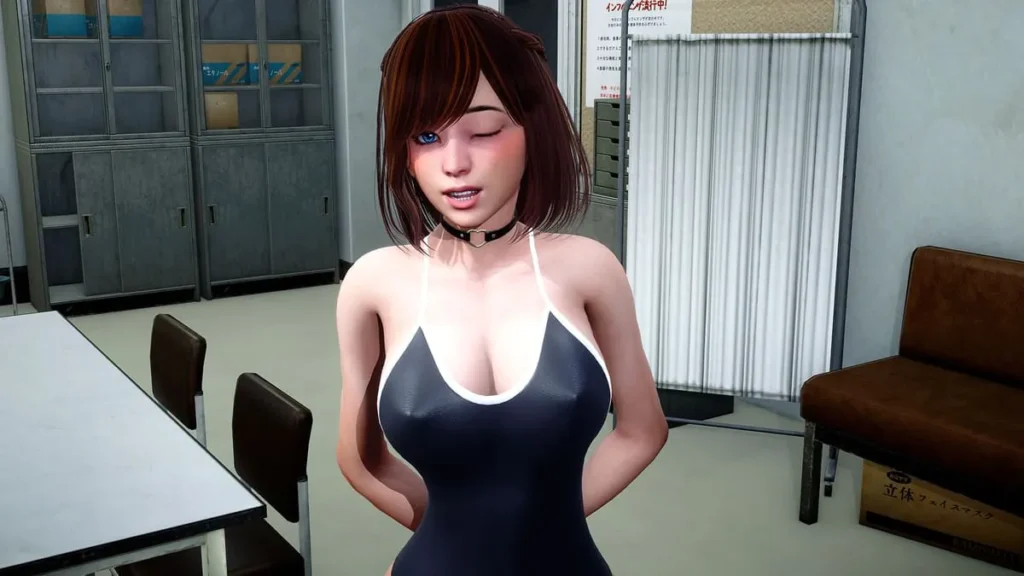
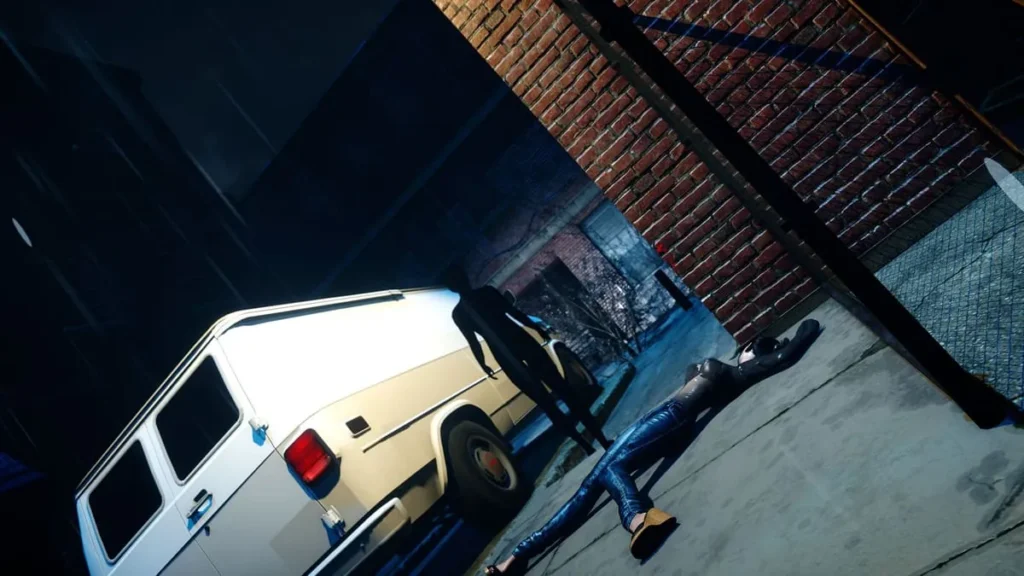

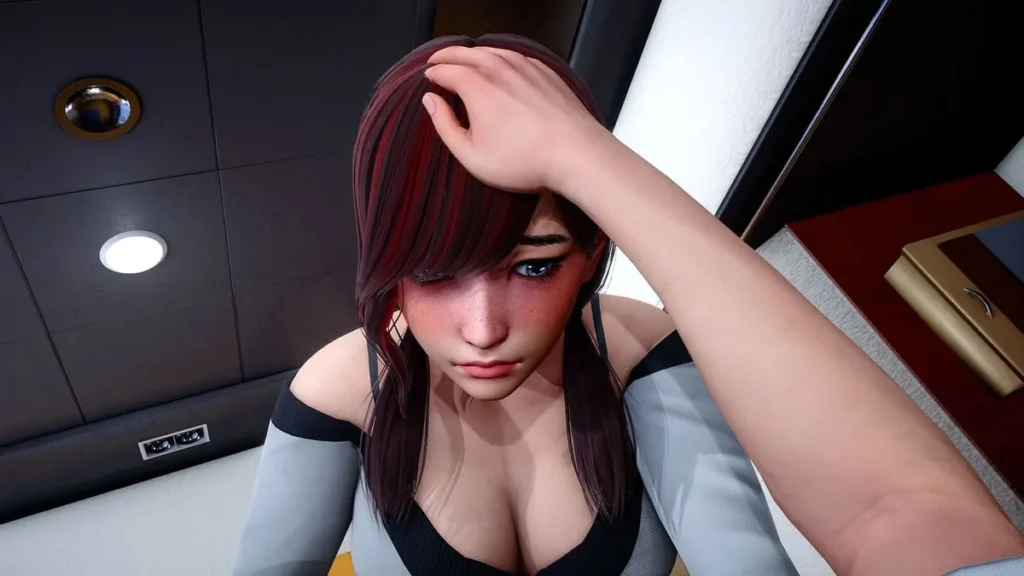
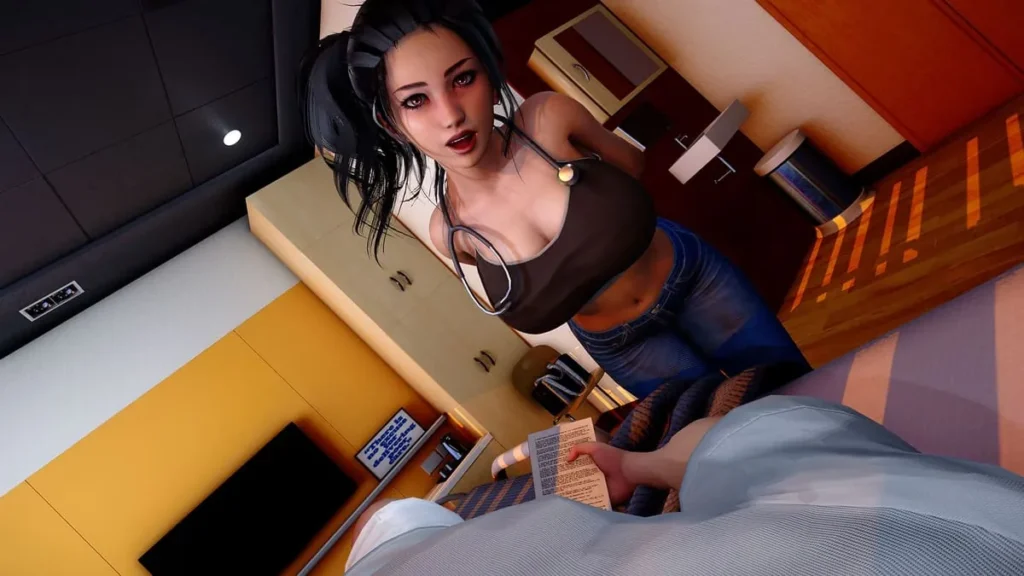
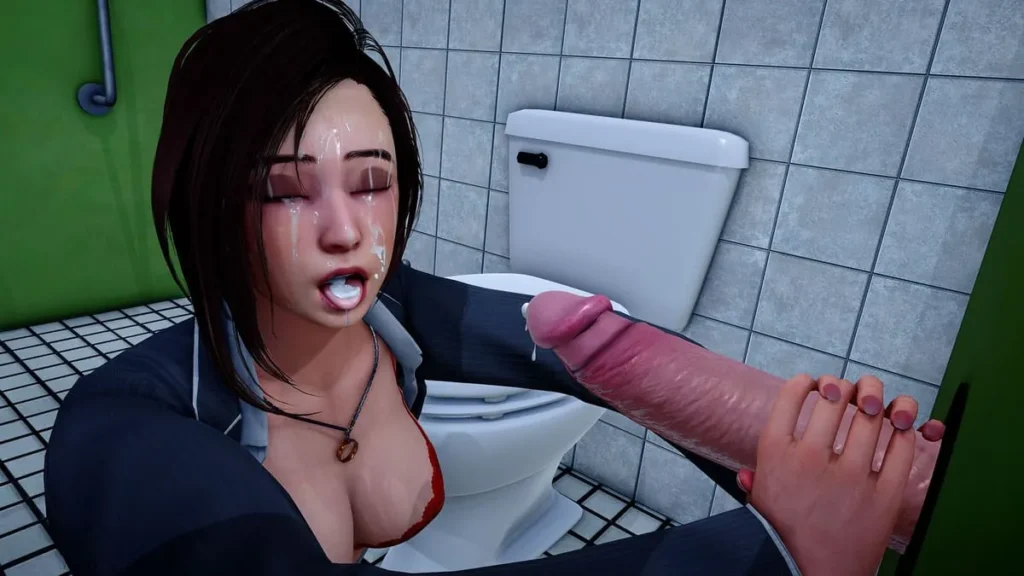
Between Humanity review
Exploring narrative pacing, character development, and mature storytelling in modern visual novels
Between Humanity stands out in the visual novel landscape as a masterclass in narrative restraint and character-driven storytelling. Unlike many titles that rush into intense plot developments and explicit content within the first chapters, this game embraces a deliberate, slow-burn approach that prioritizes world-building and relationship development. For players seeking a mature visual novel that values story integrity alongside adult content, Between Humanity offers a refreshing alternative. This comprehensive guide explores what makes this title unique, from its pacing philosophy to its approach to character relationships and narrative progression.
The Art of Pacing: Why Slow Burn Storytelling Works
Let’s be honest for a second. How many times have you started an adult visual novel, only to find the main character in a compromising situation with a stranger within the first twenty minutes? 🫣 The plot feels rushed, the connections are paper-thin, and you’re left wondering why you should even care. It’s a common frustration for players seeking more than just a quick thrill—they’re looking for a story that sticks with them, with characters who feel real.
This is where the narrative pacing in adult games truly becomes an art form. Enter Between Humanity, a title that has redefined expectations by fully committing to the power of the slow burn visual novel. While many games race to their “highlight” moments, this one understands that the journey is the destination. It’s a masterclass in building tension in visual novels, proving that patience isn’t just a virtue; it’s the core ingredient for unforgettable story-driven adult content. 😌
So, why does this deliberate approach resonate so deeply? And how does Between Humanity structure its entire experience around this philosophy? Let’s pull back the curtain.
Understanding the Slow Burn Philosophy in Visual Novels
Think about your favorite book or film. The moments that hit the hardest are rarely the ones that happen out of nowhere. They’re the culmination of carefully laid groundwork—a shared glance that becomes a confession, a simmering conflict that finally boils over, a bond tested by time and trial. This is the essence of slow burn visual novel storytelling. It’s the deliberate, patient unfurling of a narrative, where every scene, every line of dialogue, is a brick in a path leading to a powerful emotional payoff.
In the context of story-driven adult content, this philosophy is revolutionary. It shifts the focus from the destination to the journey itself. The “adult” elements stop being isolated checkpoints and instead become organic extensions of the character relationships and plot. The tension isn’t just about “what will happen,” but “how and why will it happen?” This method of character development storytelling asks a critical question: would this moment feel believable and meaningful if it happened right now? If the answer is no, the story waits. It builds. It simmers.
Between Humanity embraces this completely. The game isn’t afraid to let conversations breathe, to include scenes that simply develop camaraderie or unveil personal history without immediate dramatic payoff. This narrative restraint gaming creates a richer soil for everything to grow in. You learn how characters think, what makes them laugh, what their vulnerabilities are. When more intense scenes eventually occur, they are loaded with the weight of everything you’ve learned and felt alongside them. The connection is genuine, not transactional. It’s the difference between a fireworks display—bright, loud, and quickly over—and a carefully cultivated garden that you get to watch blossom over time. 🌸
How Between Humanity Differs From Traditional AVN Structures
To truly appreciate the design of Between Humanity, it helps to see the contrast. Many adult visual novels operate on a “breadcrumb” model, offering frequent, smaller rewards to keep players engaged in the short term. The plot often serves as a thin connective tissue between these moments. Between Humanity flips this script. Here, the plot is the main event, and the relationships—and any physical intimacy that stems from them—are the hard-earned rewards.
The most tangible evidence of this is in the visual novel plot progression. Let’s talk numbers. As of this writing, Between Humanity is in its substantial Chapter 4. In a typical title of this genre, reaching Chapter 4 might mean the protagonist has explored multiple romantic or physical paths, with plot developments happening quickly to facilitate those scenes.
Between Humanity tells a different story. Chapter 4 is deep, complex, and focused. The narrative has taken its time to establish a post-apocalyptic world, introduce a core cast with layered motivations, and set in motion a central mystery that feels personal and urgent. The game has spent chapters building a foundation of trust, conflict, and shared survival between the characters. This deliberate narrative pacing in adult games means that the story has the space to feel epic and the relationships have the time to feel human.
The table below illustrates this structural difference in approach. It’s not about one being “better” in a universal sense, but about highlighting the distinct design goals: instant gratification versus long-term immersion.
| Story Milestone | Typical AVN Progression | “Between Humanity” Progression |
|---|---|---|
| World & Core Conflict Established | By end of Chapter 1 | Deepened and refined through Chapter 2-3 |
| Meaningful Character Backstories Revealed | Spaced out as quick “bonding moments” | Unfold organically through layered conversations across multiple chapters |
| First Major Romantic/Intimate Plot Point | Often in Chapter 1 or early Chapter 2 | Treated as a major narrative beat, earned after significant relationship development |
| Primary Antagonist or Central Mystery Clarity | Introduces villain early; conflict is straightforward | Maintains mystery and moral ambiguity; reveals are slow and impactful |
| Player’s Emotional Investment in Side Characters | Often limited to archetypes or potential “routes” | High; every character feels essential to the plot and the protagonist’s journey |
This isn’t a slower production cycle; it’s a denser narrative one. Each chapter of Between Humanity is packed with meaningful visual novel plot progression and character development storytelling, ensuring that when you finish an update, you’re left pondering character motives and plot implications, not just waiting for the next scene of a certain type. The game trusts that you are there for the story, and it rewards that trust with incredible depth. 🏔️
Building Anticipation Through Narrative Restraint
Here lies the magic trick. By holding back, Between Humanity actually makes you lean in closer. This is the core of building tension in visual novels. When every interaction isn’t a prelude to an immediate intimate encounter, you start reading scenes differently. A casual touch, a held gaze, a vulnerable confession—these moments crackle with potential energy because you know the game isn’t going to hastily resolve them. The narrative restraint gaming practiced here is a powerful tool for engagement.
The developer’s philosophy is central to this. It’s a conscious choice to prioritize the integrity of the story and its relationships over fulfilling a presumed checklist. In their own words:
“The goal has always been to make every relationship shift, every moment of closeness, feel believable and earned. If a scene happens just because ‘it’s time for one,’ it rings hollow. The tension and the payoff come from the audience knowing these characters as people first, and wanting to see how their connection evolves naturally, however that may look. The story is the boss; everything else serves it.”
This commitment to making content feel “earned” is what separates a memorable experience from a forgettable one. 😌 How does this play out psychologically? Versus an immediate gratification approach, a slow burn creates a deeper, more sustainable form of investment. Your brain isn’t just reacting to stimuli; it’s actively participating—theorizing, shipping, worrying, and hoping. The delayed reward triggers a stronger emotional response when it finally arrives, because you’ve built the context for it yourself.
In Between Humanity, this means that a simple act of comfort after a traumatic event can carry more narrative weight than a gratuitous scene in another game. It means that a decision to trust someone with a secret is a major plot point. The game expertly balances character development storytelling with its overarching mystery. A quiet night of conversation around a fire is as crucial to the visual novel plot progression as a run-in with a hostile faction, because it’s in those quiet moments that alliances are solidified and motivations are revealed.
This approach respects the intelligence of the player. It assumes you are capable of appreciating subtlety, of finding joy in the quiet moments of character interaction, and of understanding that the most satisfying conclusions are those you have to wait for and work toward alongside the characters. Between Humanity doesn’t just tell you a story; it lets you live in its world, breathe its air, and form your own bonds. And when the story’s pivotal moments arrive—whether they are intimate, violent, or heartbreaking—they land with the full force of a narrative that has done its homework. You feel it in your gut, because you were there for every step of the journey. ✨
That’s the ultimate power of its slow burn visual novel design. It transforms the experience from passive consumption into an active, emotional partnership between the story and the player. In a landscape crowded with choices, Between Humanity’s dedication to purposeful narrative pacing in adult games and profound character development storytelling ensures it isn’t just another title—it’s a benchmark for what story-driven adult content can truly achieve.
Between Humanity represents a thoughtful evolution in visual novel design, proving that mature storytelling and adult content can coexist meaningfully when pacing and narrative integrity are prioritized. The game’s deliberate approach to character development, relationship mechanics, and content integration creates a more immersive and rewarding experience than titles that rush toward explicit material. By respecting player investment in characters and story, Between Humanity builds genuine anticipation and emotional stakes. Whether you’re a visual novel enthusiast seeking something beyond conventional genre tropes or a reader interested in how mature themes can enhance rather than overshadow narrative, Between Humanity offers a compelling case study in thoughtful game design. The title demonstrates that patience in storytelling ultimately pays dividends in player engagement and satisfaction.