
Corporate Culture
Play Corporate Culture
Corporate Culture Screenshots












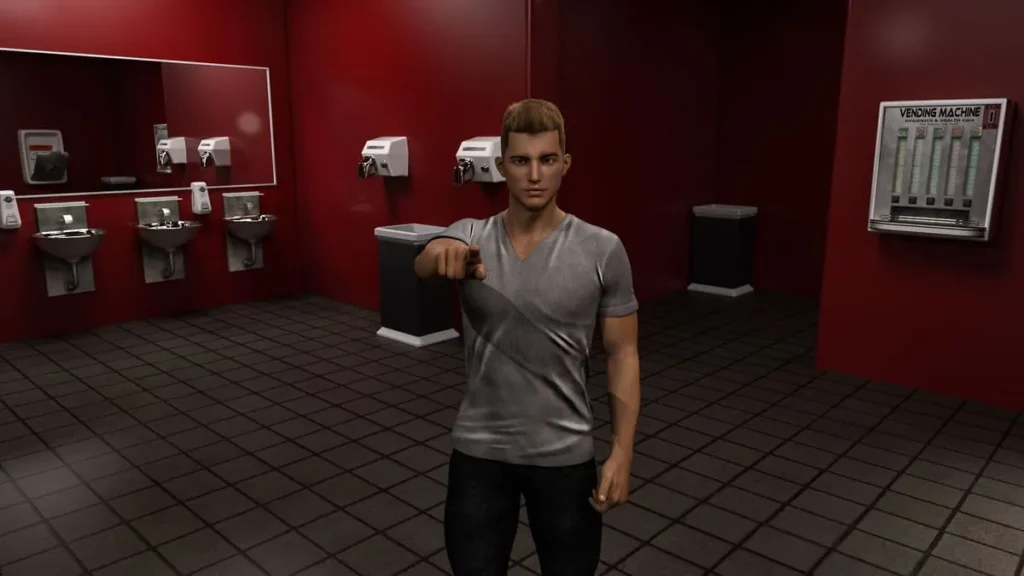









Corporate Culture review
Master the office politics simulation with our complete walkthrough and strategic tips
Corporate Culture stands out as a unique narrative-driven simulation that transforms the mundane office environment into a complex web of relationships and strategic decisions. Unlike traditional games that pit players against clear antagonists, this interactive experience challenges you to navigate workplace dynamics where every interaction carries weight and consequences. Whether you’re climbing the corporate ladder or simply trying to survive another day at the office, understanding the game’s core mechanics and decision-making framework is essential. This guide explores what makes Corporate Culture a compelling experience, from its relationship-based progression system to the moral ambiguity of workplace choices.
Understanding Corporate Culture Game Mechanics and Narrative Design
Let’s be honest—we’ve all had that moment in a job where we’ve thought, “If I could just maneuver this one situation differently, everything would be better.” 😅 That’s the exact itch Corporate Culture scratches. This isn’t your typical management sim where you just move resources and watch numbers go up. Instead, you’re thrown into the heart of a living, breathing, and often baffling office ecosystem. The core of the Corporate Culture game mechanics is a simple but profound shift: you’re not managing tasks, you’re managing people. Every smile, every favor, every snide remark you make is logged in the game’s memory, waiting to resurface when you least expect it. It’s a masterclass in relationship management gameplay, where your social capital is your most valuable currency.
Think of it as a delicate web. You, your colleagues, your boss—you’re all connected. Tug one string too hard, and the whole network vibrates. Forget to help a teammate with a report? That’s not just a one-off “task failed.” It becomes part of your shared history. Three virtual weeks later, when you desperately need someone to cover for you during a client pitch, that same teammate might suddenly be “too busy.” The game doesn’t flash a message saying “Karma!” It just presents you with the cold, hard reality of your earlier choice. This creates an incredibly interactive narrative game experience where you are the author, and every conversation is a potential plot point.
How Relationship Management Drives Gameplay
Forget skill trees and XP bars. Your progression in this office simulation game is measured in trust, influence, and alliances. The core loop is deceptively simple: interact, converse, and choose. But each interaction is a mini-puzzle with persistent social consequences.
I learned this the hard way in my first playthrough. I met Alex from Finance, who was stressed about an audit. He asked if I could spare an hour to help cross-reference some files. I was swamped with my own work, chasing a short-term performance bonus, so I politely declined. “No problem,” Alex said. The game moved on. Fast-forward a month, and my big project hit a snag—I needed budget approval, fast. I went to Alex, my only contact in Finance. His response? “I’d love to help, but my dance card is completely full. Maybe check back next quarter?” 😬 My project stalled. That single, seemingly insignificant “no” weeks ago had burned a bridge. The game remembered.
This is the genius of the Corporate Culture game mechanics. Characters have their own goals, memories, and moods. They talk to each other about you. Your reputation precedes you. This transforms the gameplay from a series of transactions into a dynamic social simulation. You’re constantly evaluating:
* Who needs help? Offering assistance builds social credit.
* Who holds power? Cultivating a good relationship with managers opens doors.
* Who is connected to whom? An ally of an ally can become a crucial resource… or a dangerous foe.
The relationship management gameplay forces you to think politically. It’s not about being universally liked; it’s about being strategically connected. Sometimes, you need to side with a difficult but influential manager to gain access to resources, even if it alienates your peers. Other times, building a coalition of grassroots support among your equals can protect you from a toxic boss. The game’s systems reflect this beautifully—there’s no “good” or “evil” meter, just a complex map of shifting loyalties and recorded grievances.
The Role of Player Choices in Shaping Your Story
This is where Corporate Culture truly shines as an interactive narrative game. The story isn’t something that happens to you; it’s something you build, brick by brick, with every decision you make. The player choice consequences are rarely black and white. You’re almost never picking between “Save the Puppy” and “Kick the Puppy.” Instead, you’re choosing between “Work late to secure the contract (making your boss happy but missing your kid’s recital)” and “Leave on time for your family (earning your spouse’s gratitude but letting your team down).”
The game refuses to judge your morality. It only reflects the outcomes. Choose to steal credit for a subordinate’s idea? You might get that promotion you wanted. But later, your entire team might become uncooperative and leak your mistakes to HR. The narrative-driven gameplay emerges from these cascading effects. You become a shrewd operator not because the game gives you a “Manipulation +1” badge, but because you lived through the fallout of your own ambitious scheming and learned to be more careful.
To understand the weight of these decisions, let’s break down the typical dilemmas you’ll face:
| Decision Type | Short-Term Gain / Immediate Temptation | Long-Term Stability / Strategic Play |
|---|---|---|
| Credit & Recognition | Taking sole credit for a team project to impress senior leadership in a quarterly review. | Publicly praising your team’s effort, building fierce loyalty and a reputation as a great collaborator. |
| Resource Allocation | Hoarding a key piece of market data to give yourself an edge on an upcoming solo presentation. | Sharing the data with a struggling colleague, creating a debt of gratitude they may repay during a future crisis. |
| Conflict Navigation | Openly siding with your manager in a dispute to become their “favorite,” creating a clear divide in the office. | Acting as a neutral mediator, preserving relationships with both sides and positioning yourself as a trusted, indispensable peacemaker. |
| Work-Life Balance | Consistently accepting last-minute work from a demanding client, boosting your immediate performance metrics. | Setting clear boundaries to protect your personal time, leading to less burnout and more sustainable, high-quality output over time. |
The most compelling player choice consequences are the subtle ones. Did you remember to ask about Vanessa’s sick dog last week? That might mean she confides in you about upcoming departmental changes today. Did you dismiss the intern’s suggestion in a meeting? They might not share a crucial piece of gossip with you later. The world reacts to your tone, your attention, and your priorities.
Balancing Challenge with Storytelling Elements
In many games, challenge and story are separate layers—you overcome gameplay obstacles to unlock the next cutscene. Corporate Culture brilliantly fuses them. Here, the challenge is the story. Navigating the human maze of the office, maintaining your sanity, and climbing the ladder is the entire point. The narrative-driven gameplay doesn’t pause for the challenge; it is born from it.
The game creates a fragile, realistic ecosystem. This isn’t a static org chart. People get promoted, transferred, or fired. Your mentor in Marketing might suddenly move to a different branch, leaving you vulnerable. A rival you underestimated could be assigned as your new direct supervisor, ready to sabotage projects you care about based on that nasty comment you made about their leadership style months ago. 😳 This ecosystem is what makes the persistent social consequences system so unique and impactful. The office has a memory, and it holds grudges.
The challenge comes from managing this volatility. You must:
* Build a robust network: Don’t put all your eggs in one basket. If your only ally is your direct boss and they leave, you’re stranded.
* Read the room: The game gives you subtle cues—body language, choice of words, the tone of an email. Ignoring these is a recipe for disaster.
* Plan for the long game: A choice that solves today’s crisis might plant the seeds for next quarter’s catastrophe.
This perfect balance means you’re always engaged. You’re not just “playing a game”; you’re surviving a story you’re co-writing. The satisfaction doesn’t come from a “Mission Complete” screen, but from successfully navigating a tense performance review by leveraging a favor from a connection in HR—a connection you built ten hours of gameplay ago by helping them with a personal problem.
Ultimately, mastering the Corporate Culture game mechanics is about embracing complexity. It understands that office life isn’t about right and wrong answers; it’s about managing shades of grey and living with the results. Its relationship management gameplay forms the core of a deeply interactive narrative game, where every choice echoes. By focusing on player choice consequences and persistent social consequences, it elevates the office simulation game genre into a profound and often uncomfortably relatable experience. This is narrative-driven gameplay at its finest, where you don’t just tell a story—you live it, one fragile, consequential relationship at a time.
Corporate Culture delivers a refreshingly complex take on workplace simulation by prioritizing relationship dynamics over traditional task management. The game’s strength lies in its refusal to simplify office politics into binary moral choices, instead presenting players with nuanced scenarios where every decision carries real weight. By understanding the core mechanics of relationship management, recognizing how your choices ripple through the game world, and developing strategic approaches to workplace challenges, you’ll unlock the full depth of what makes this game compelling. Whether you’re drawn to the narrative-driven experience or the strategic puzzle of navigating office hierarchies, Corporate Culture rewards thoughtful decision-making and long-term planning. Start your journey today and discover how your choices shape your corporate destiny.