
Culture Shock
Play Culture Shock
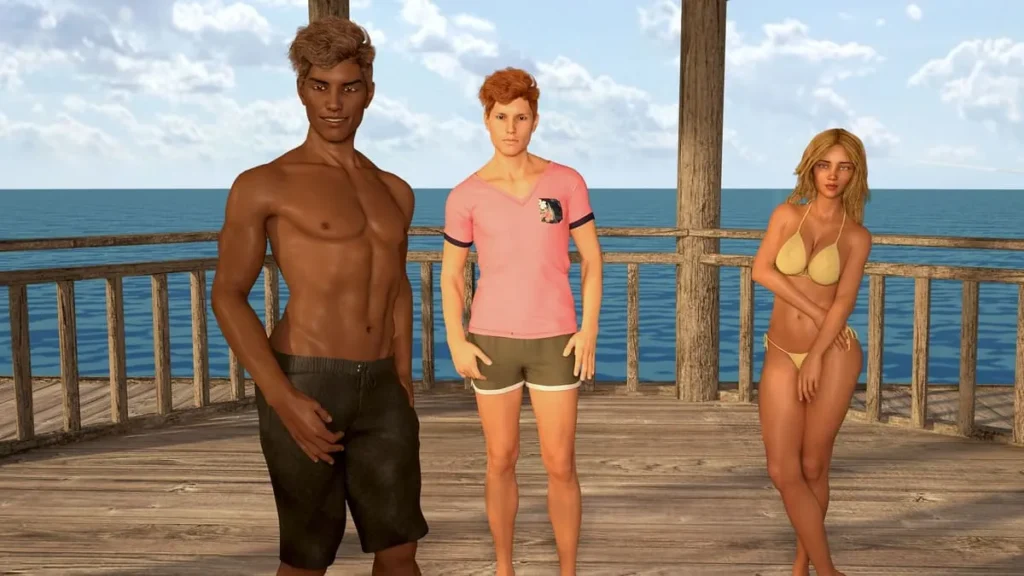
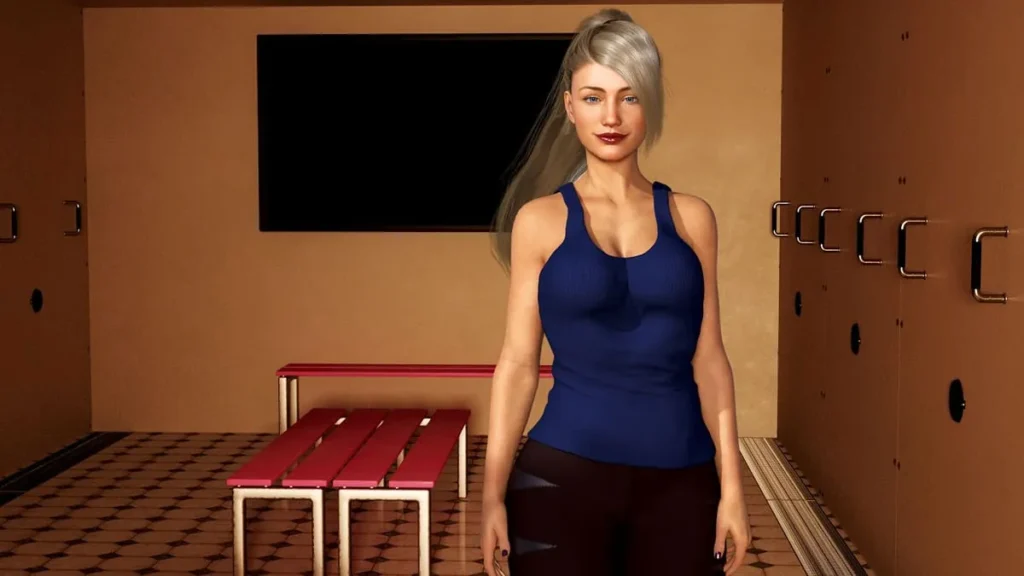
Culture Shock Screenshots












Culture Shock review
Exploring the Gameplay, Story, and Impact of Culture Shock
Culture Shock is a distinctive game that blends narrative depth with interactive elements, offering players a unique experience unlike typical titles in its genre. This article dives into the core aspects of Culture Shock, exploring its gameplay mechanics, storyline, and the impact it has on its audience. Whether you’re curious about the game’s features or looking for insights on what sets it apart, this guide covers everything you need to know about Culture Shock.
Understanding Culture Shock: Gameplay and Storyline
So, you’ve downloaded this game called Culture Shock, maybe intrigued by the title or a friend’s passionate recommendation. You boot it up, expecting perhaps a quirky puzzle game or a lighthearted social sim. But within minutes, you realize this is something else entirely. It doesn’t just tell a story about cultural dislocation; it makes you feel it, viscerally and unforgettably. That’s the magic trick this interactive narrative game pulls off, and it’s why discussing the Culture Shock game is so compelling. It’s not just about playing; it’s about experiencing.
This chapter is your deep dive into that experience. We’ll peel back the layers of its unique design, get to know the characters who live in its world, and understand the mechanics that make your choices truly matter. Forget passive observation—here, you are an active participant in a delicate, often poignant, human drama. 😌
### What Makes Culture Shock Unique? 🎭
In a digital landscape crowded with power fantasies and epic battles, Culture Shock stands out by being profoundly, beautifully human-scale. Its uniqueness isn’t found in a single gimmick, but in how every element—art, sound, systems—harmonizes to create its specific emotional tone.
First, the aesthetic. The game employs a hand-drawn, almost watercolor art style that feels both warm and slightly melancholic. It mirrors the protagonist’s own perception: familiar scenes are bright and detailed, while unfamiliar elements might seem slightly blurred or stylized, visually representing that feeling of being slightly out of sync. The sound design is equally masterful. The soundtrack is subtle, often just the ambient noise of a new city—unfamiliar bird calls, snippets of conversation in a language you don’t understand, the distant hum of unfamiliar traffic. It’s a constant, low-level sensory immersion that builds the player experience Culture Shock is famous for.
But the true cornerstone of its uniqueness is its interactive narrative game philosophy. The game refuses to hold your hand with quest markers or morality meters. Progression is organic, driven by curiosity, observation, and sometimes, awkward missteps. You learn the “rules” of this new world the same way anyone moving to a new country does: by watching, trying, and occasionally putting your foot in your mouth. 😅 This approach creates a powerful sense of authenticity. You’re not a tourist on a guided tour; you’re a person trying to build a life, and every small victory—ordering a coffee correctly, making a local friend laugh—feels earned.
### Exploring the Narrative and Characters 🧑🤝🧑
At its heart, the Culture Shock storyline is a personal journey, not a save-the-world epic. You step into the shoes of Alex, a graphic designer who has just relocated to a vibrant, fictional Eastern European city for a job. The premise is simple, but the execution is rich with nuance. The story isn’t about dramatic plot twists; it’s about the slow, sometimes painful, sometimes joyful process of adaptation.
The game characters Culture Shock introduces you to are the soul of this experience. They are not NPCs dispensing missions; they are nuanced individuals with their own lives, biases, and schedules.
- Leo, your eccentric and kindly neighbor, becomes your first, hesitant point of contact. He’s a retired teacher who offers halting language lessons over shared pots of strong tea.
- Maya, a no-nonsense barista at the local café, initially seems intimidating with her rapid-fire speech. Earning a genuine smile from her is a milestone.
- Kiran, a fellow immigrant from a different continent, provides a unique perspective, showing that the experience of “shock” is universal yet deeply personal.
The narrative unfolds through hundreds of small interactions. A conversation might branch not based on a clear “good/bad” choice, but on whether you remembered a character’s mentioned preference, attempted a phrase in their language, or chose to intervene in a subtle social situation.
I’ll never forget one moment that cemented this game’s brilliance for me. Early on, Leo mentioned his late wife loved a specific type of flower. Days later (in game time), I passed a market stall selling them. On a whim, I bought one and left it at his door. There was no quest prompt, no reward notification. But the next time I saw him, his dialogue had completely changed. His eyes were a bit watery, and he shared a story about his wife I’d never heard before. That silent, player-driven act of remembrance altered our entire relationship. It felt real. That’s the power of the Culture Shock storyline.
### Gameplay Mechanics and Player Interaction 🎮
The Culture Shock gameplay is where its philosophy becomes practice. It masterfully uses unique game mechanics to translate thematic ideas into interactive systems. You don’t have a traditional inventory or skill tree. Instead, you have a journal, a phrasebook, and a relationship web.
The Language System is its flagship mechanic. You don’t magically “learn” the language. You start with a handful of phrases. You hear new words in conversations or see them on signs, and you can choose to jot them down in your phrasebook. Later, you can attempt to use them, but conjugation and context matter. You might accidentally say something hilarious or mildly offensive. This mechanic creates constant, low-stakes tension and incredible moments of triumph when you’re finally understood.
The Social Energy Meter is another clever touch. Interactions cost “social energy,” which drains faster when you’re straining to understand or be understood. You can’t brute-force your way through every conversation in a day. You must choose when to engage and when to retreat to your apartment to recharge by drawing in your journal or listening to music. This brilliantly simulates the very real emotional exhaustion of navigating a new culture.
Environmental Storytelling and Routine are key. The city lives on its own schedule. Shops close for unexplained local holidays. Characters have their own routines—you might find Maya at the park on her day off. Progress is often about learning these rhythms and finding your place within them. Unlocking new story beats often depends not on completing tasks, but on player experience Culture Shock fosters: patience, observation, and empathy.
To see how these elements weave together, let’s break down the core pillars of the experience:
| Gameplay Feature | How It Works | Its Narrative & Emotional Impact |
|---|---|---|
| Dynamic Language Learning | Players manually record overheard words and phrases, then experiment with using them in conversation. Success depends on context and grammar guesswork. | Creates authentic frustration and breakthrough joy. Makes communication feel like a rewarding puzzle, not a given. |
| Context-Dependent Dialogue Choices | Conversation options change based on your observed knowledge of a character’s life, the local culture, and your prior actions. | Makes relationships feel organic and earned. Rewards careful attention to the world and its people. |
| The Social Energy System | Every interaction depletes a meter. Refilling requires solitary, recharging activities in your personal space. | Perfectly simulates the introvert’s struggle and the real exhaustion of cultural immersion. Forces meaningful choice in daily interactions. |
| Non-Linear Story Beats | The main narrative progresses not through quests, but by reaching deeper relationship levels with key characters, which can happen in different orders. | Empowers player agency. Your unique journey of connection dictates the story’s pace and emotional highlights. |
Ultimately, the Culture Shock game is more than the sum of these parts. It’s a carefully crafted simulation of empathy. Its unique game mechanics aren’t just for show; they are the vehicles for its profound theme. By the time you reach its quiet, reflective conclusion, you haven’t just watched Alex adapt—you’ve lived through the awkward pauses, the small triumphs, and the dawning realization that home isn’t just a place you come from, but something you can slowly, patiently build anew. That lingering feeling, that thoughtful quiet after you put the controller down, is the true testament to its impact. ✨
Culture Shock offers a compelling blend of narrative depth and engaging gameplay that sets it apart in its genre. Its unique storytelling, combined with interactive mechanics, creates an immersive experience that resonates with players. Whether you are a newcomer or a seasoned player, Culture Shock provides a memorable journey worth exploring. Dive into the game and discover firsthand the distinctive world it presents.