Demons of the Hearth
Play Demons of the Hearth
Demons of the Hearth Screenshots
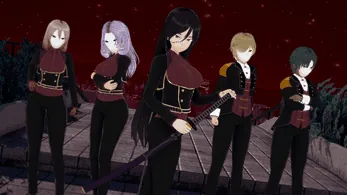

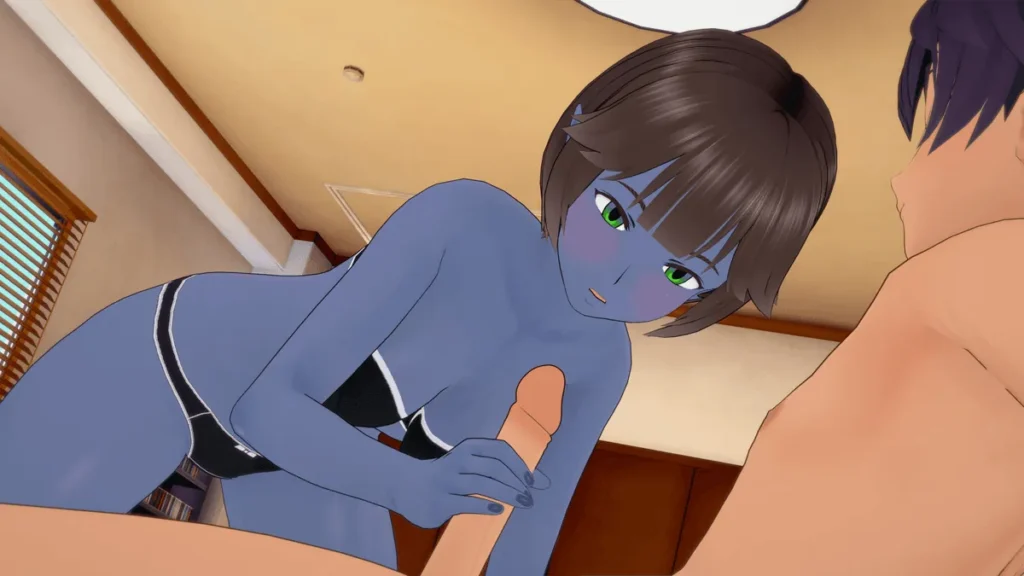
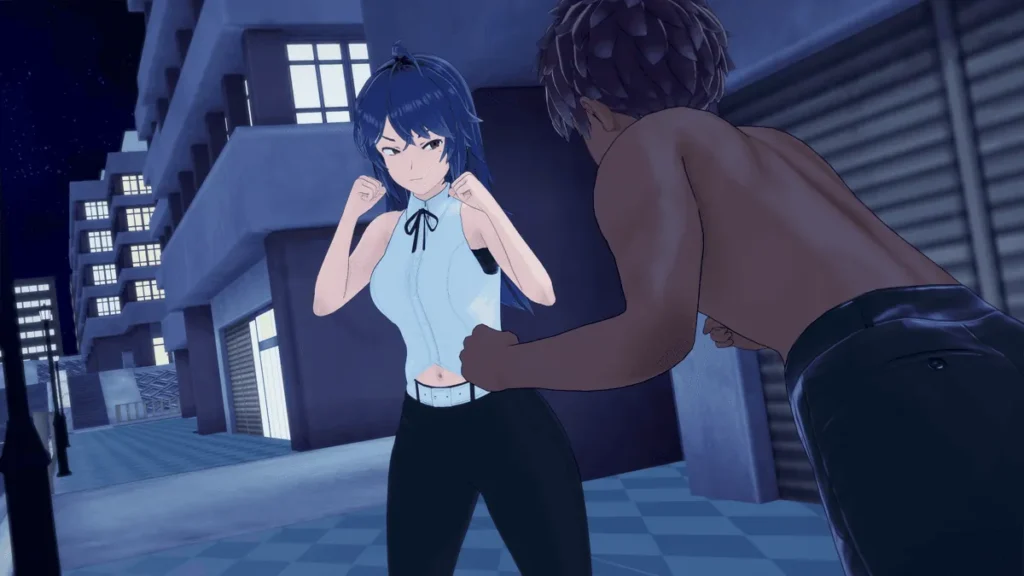
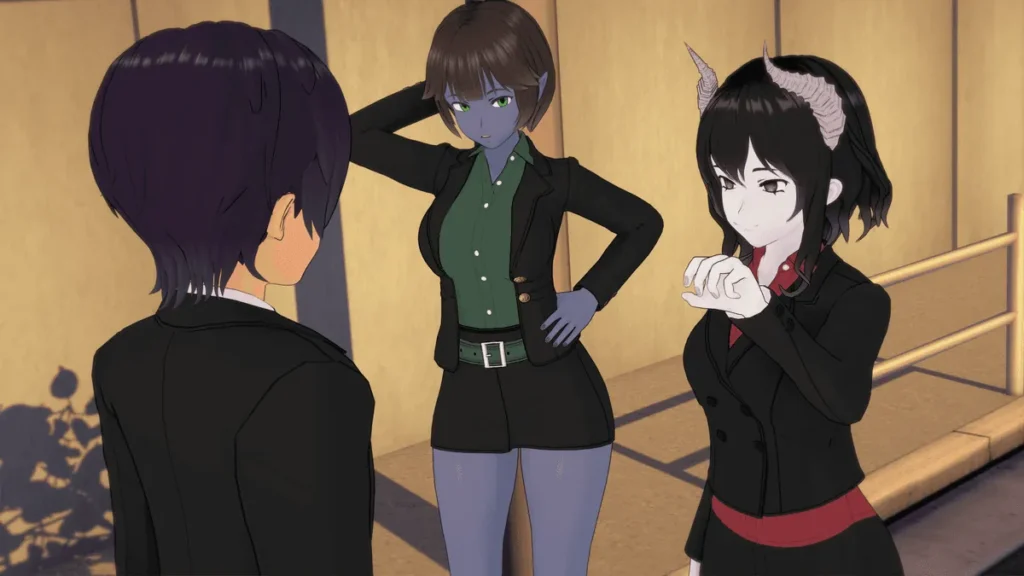
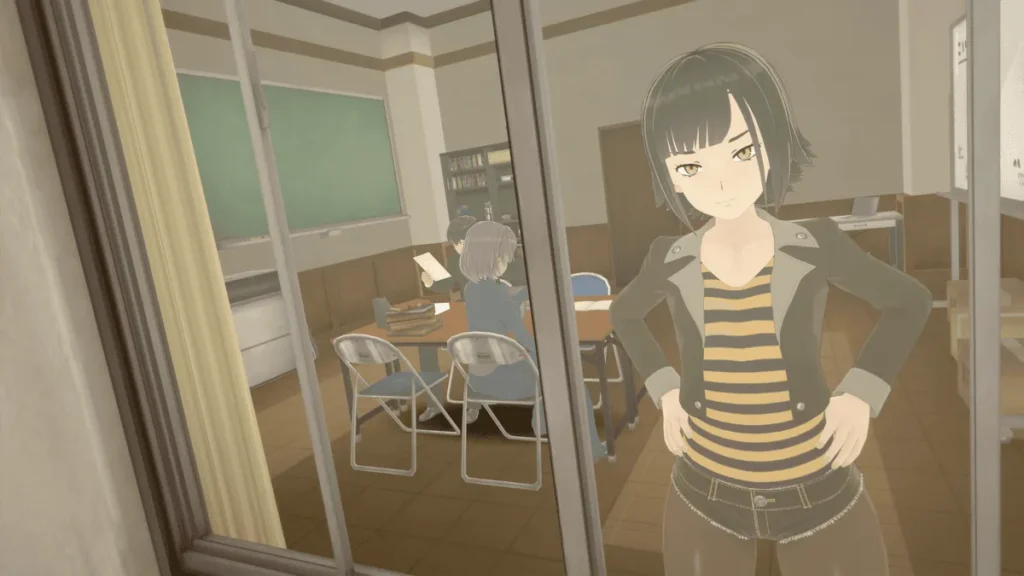
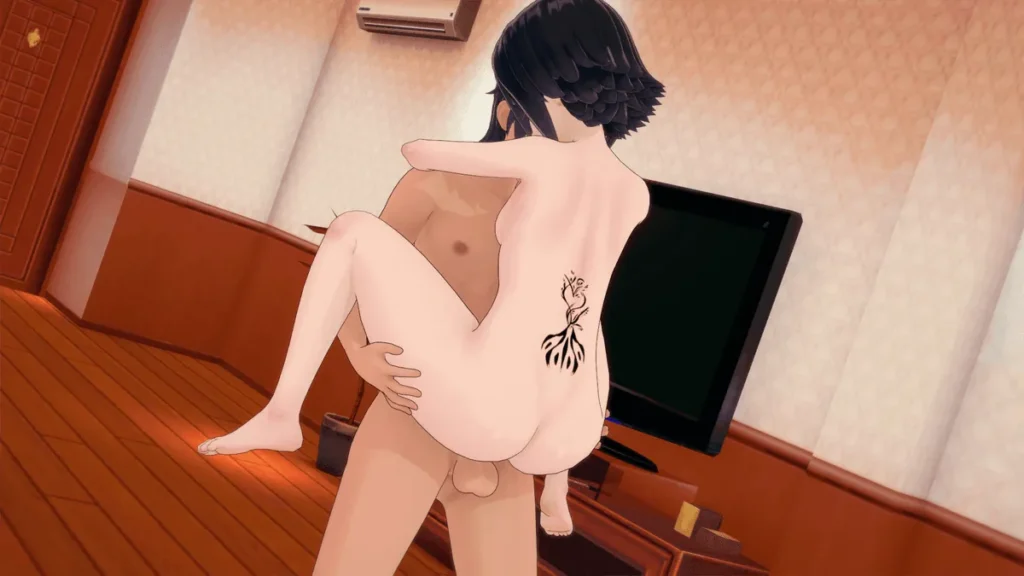

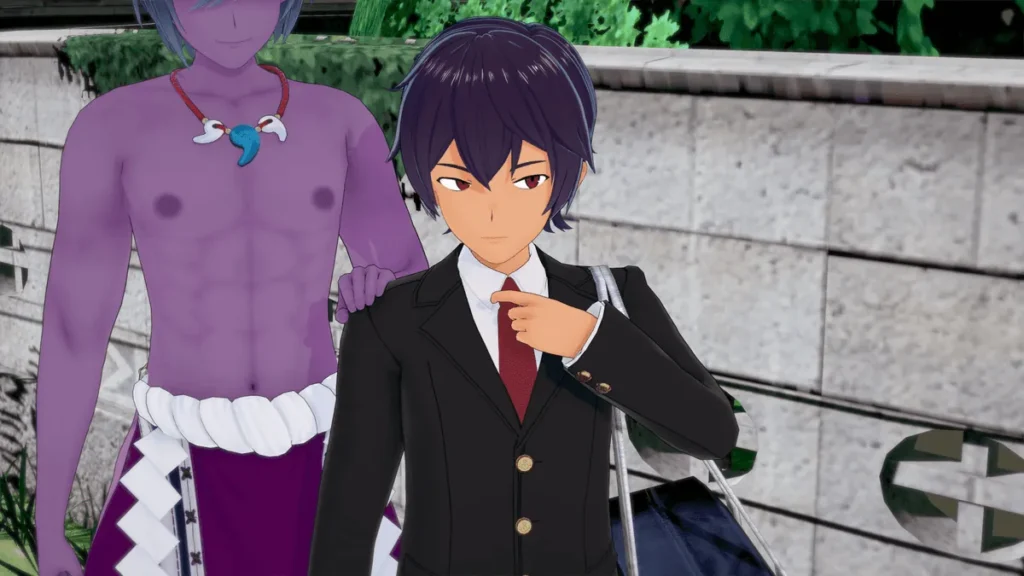

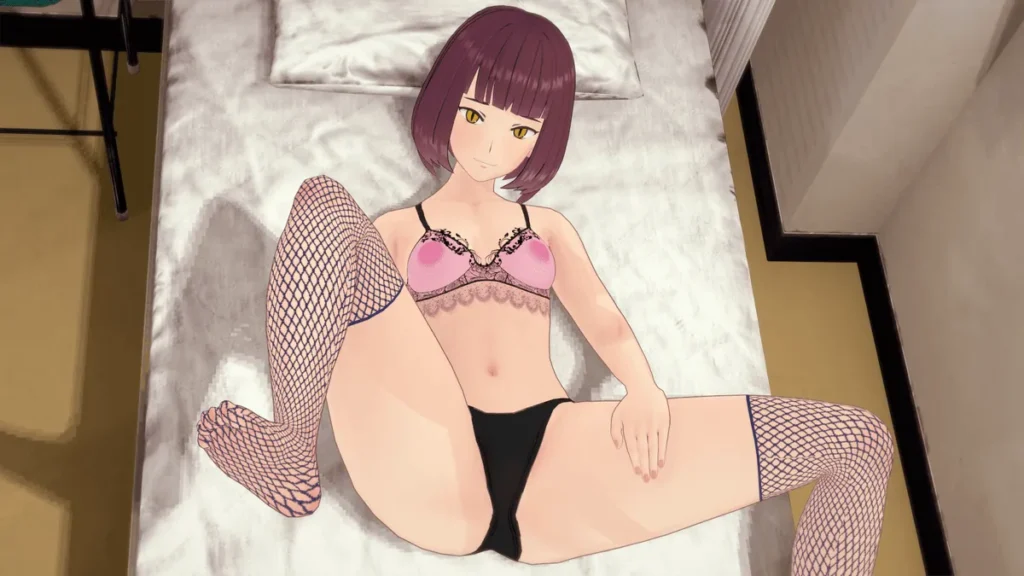
Demons of the Hearth review
Dive into Storytelling, Characters, and Intimate Gameplay
Imagine inheriting a rundown family home filled with secrets, quirky relatives, and steamy encounters that could mend or shatter everything. That’s the hook of Demons of the Hearth, the interactive visual novel that’s got players raving about its gripping narrative and deep Demons of the Hearth characters. I first stumbled upon it during a late-night itch.io browse, and hours later, I was hooked—balancing trust-building with family drama felt shockingly real. This guide breaks down the story, gameplay, and those tantalizing scenes that make it stand out in the adult gaming world. Whether you’re new or replaying for hidden paths, let’s explore why this Demons of the Hearth porn game delivers epic quests right at home.
What Makes Demons of the Hearth’s Story So Addictive?
I remember starting Demons of the Hearth expecting a cozy renovation sim. An hour later, my heart was pounding as I tried to calm my pragmatic sister after a strange noise in the attic, all while wondering if the enigmatic neighbor, Rhys, was involved. That’s the magic of this game’s Demons of the Hearth narrative 😱. It takes the intimate, familiar setting of a family home and laces it with threads of mystery and quiet dread, making restoring a leaky roof feel as consequential as any epic quest. You’re not just fixing a house; you’re navigating the fragile web of a broken family, and every choice echoes in the creaking floorboards.
This guide will dive deep into what makes the Demons of the Hearth story so uniquely gripping, from its core plot to the secrets of its many endings. Let’s pull back the curtain.
Unpacking the Core Narrative and Family Quest 🏚️
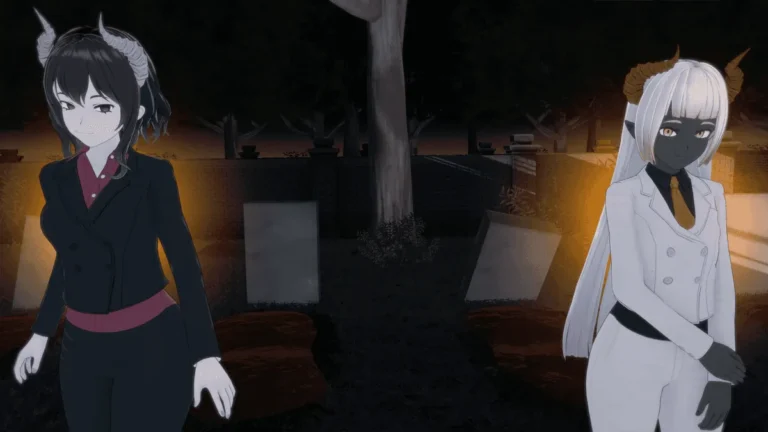
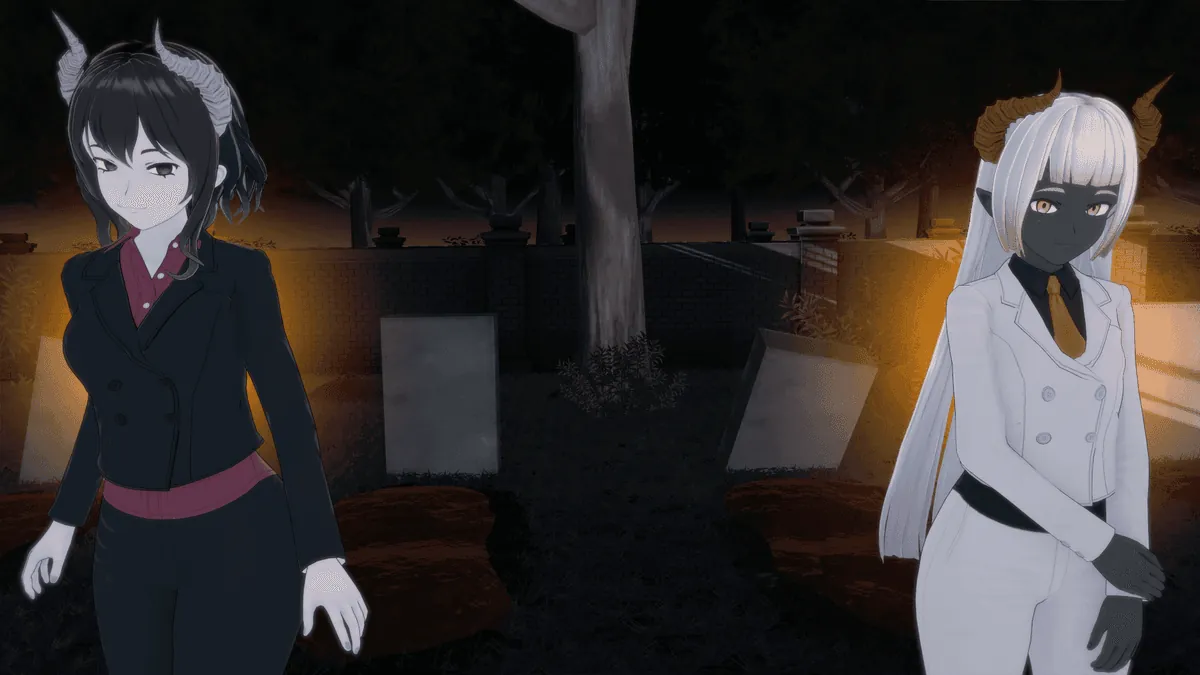
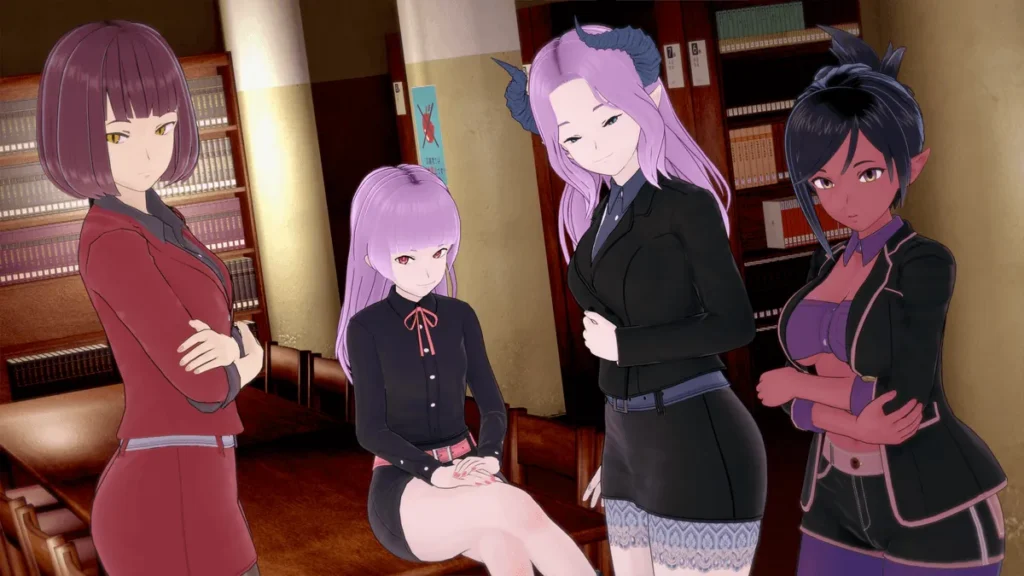
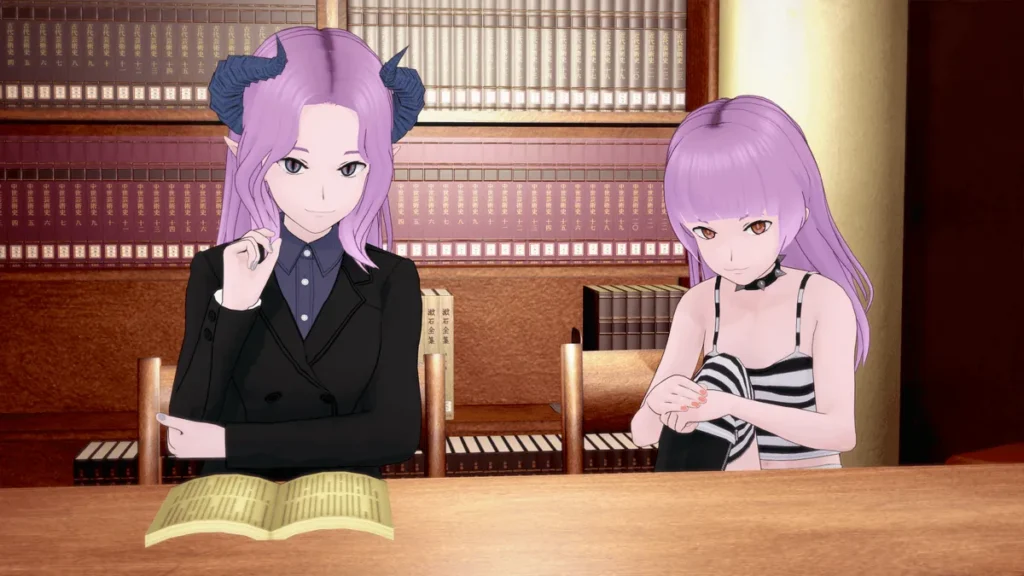
At its heart, the Demons of the Hearth plot is a story of inheritance and reconciliation. You arrive at a dilapidated family home, burdened by past tensions and a cryptic will. Your party isn’t a band of warriors, but your own relatives: the fiercely practical sister who sees the house as a money pit, the nostalgically-minded uncle clinging to memories, and eventually, mysterious figures like the white-haired, horned Krowe and the purpled-haired individual whose presence hints at deeper, supernatural currents.
The main quest seems simple: rebuild the hearth. But this acts as a brilliant metaphor for rebuilding trust. Every decision—from what room to repair first to how you handle a discovered heirloom—is filtered through the personalities of your family. The worldbuilding is top-class, not through vast lore dumps, but through environmental storytelling. A dusty photo, a half-rotten journal entry, the way a character hesitates at a certain doorway… it all builds a palpable, living history. This grounded approach makes the sudden, thriller-like elements—a shadow at the window, an unexplained symbol etched into the foundation—all the more effective. You’re constantly on edge, invested not in saving the world, but in protecting this fragile sense of home you’re creating.
How Choices Shape Your Hearth’s Fate? ⚖️
Forget simple good/evil meters. Progression in Demons of the Hearth is driven by a dynamic trust system that is beautifully non-linear. Trust isn’t gained by endlessly agreeing with someone; sometimes, a respectful disagreement on how to handle a situation can earn more respect than blind obedience. This system is the invisible engine of the Demons of the Hearth story.
Trust is built through hundreds of micro-interactions: conversations, completing tasks a character values, or even siding with them in an argument. Reach certain trust thresholds, and new dialogue trees, side quests, and story branches unlock organically. There’s no grinding—the game respects your time. A key tip for how to progress Demons of the Hearth is to check character-specific locations at different times of day. I once found my uncle in the overgrown garden at dusk, which triggered a whole emotional side quest about my grandmother that I would have otherwise missed.
To visualize how this works, here are some key narrative branches:
| Branch Name | Trust Triggers | Possible Outcomes |
|---|---|---|
| The Cellar Investigation | Moderate trust with Sister OR discovering specific historical documents. | Uncover financial secrets that strain the family; find artifacts that boost Krowe’s affinity; trigger a major house-haunting event. |
| Rhys’s Offer of Assistance | High curiosity stat (from exploring) + neutral/pragmatic reputation. | Accept help, speeding renovations but inviting unknown influence; refuse, slowing progress but maintaining independence and different event chains. |
| Krowe’s True Nature | Consistently choosing empathetic/ protective options + finding hidden mystical clues. | Reveal her as a guardian spirit tied to the land; alternatively, a more ominous interpretation if trust is built through fear or obsession. |
| The Fate of the Hearthstone | Collecting all family mementos + balancing trust between all core characters. | Restore it fully, creating a stable home; purify it, ending supernatural ties; shatter it, freeing the family but scattering them forever. |
This responsive design extends to the world state. The game remembers everything. If there are no killings in town, you simply won’t encounter serial killer events. Your actions (or inactions) directly curate the kind of story you experience, making each playthrough a personal reflection of your priorities.
Hidden Stats and Replayable Endings 🔄
The addiction to the Demons of the Hearth narrative comes from its incredible replay value, fueled by hidden mechanics. Beyond visible trust meters, the game tracks subtle stats like “Pragmatism vs. Sentimentality,” “Curiosity,” and “Skepticism.” These are shaped by your smallest choices and determine which events you encounter and how characters ultimately perceive you.
This is where the magic of the Demons of the Hearth endings truly unfolds. There isn’t just a “good” or “bad” ending. Endings are nuanced combinations of fates for the house, each family member, and the mystical elements around it. Will the house become a vibrant family home, a museum to the past, a nest for something new and strange, or be sold off to pay debts? The Demons of the Hearth sandbox mode is the perfect place to experiment with these outcomes. It removes some story gates, letting you focus on testing how different relationship combinations affect the final act.
Don’t sleep on the Demons of the Hearth side quests, either. They are masterclasses in emotional storytelling. One involving a lost toy in the attic had me, a grown adult, genuinely misty-eyed. These aren’t filler; they’re essential veins of character development that feed directly into your ending possibilities.
My biggest piece of actionable advice? Use the hint system in the main menu without shame. If you’re feeling stuck on how to progress Demons of the Hearth, the hints are brilliantly subtle—they nudge you towards a location or a character state without spoiling the discovery. And talk to everyone, every day. The dialogue shifts minutely based on what you’ve done, and that’s where the most beautiful, haunting moments of this underrated gem are hidden.
Pro Tip: If your Demons of the Hearth sandbox mode playthrough feels slow, deliberately make a “wrong” or drastic choice. Pick a huge fight, sell a cherished heirloom, or follow Rhys blindly. It will violently shake up the narrative tree and unlock paths you never anticipated!
FAQ: Navigating Common Progression Hurdles
I’m in sandbox mode and feel bored. Nothing major is happening!
The sandbox relies on your proactivity. The world is reactive. Try focusing on a single character’s trust by doing tasks they like, or explore one forbidden area (like the woods at midnight) repeatedly. The game responds to focused pressure.
How do I trigger specific character events, like learning more about Krowe?
Her events are often gated behind empathetic choices and finding mystical clues. Comb the library after upgrading it, and always check the forest clearing after any story event that involves strange occurrences. Her path is about subtle, consistent care.
I think I’m stuck. My trust with my sister won’t budge and I need her for the next main task.
This is classic. She values pragmatism and action. Stop trying to talk to her about feelings. Instead, complete a costly house repair (like the roof) without being asked, or successfully negotiate a discount with a town vendor. Show, don’t tell.
Do I need to do all side quests for the “best” ending?
There is no singular “best” ending. Different endings require different conditions. Some cherished endings actually require you to ignore certain side quests to maintain a specific family dynamic. Focus on the story you want to tell.
The thriller elements aren’t appearing for me. Is my game broken?
Probably not! These elements are tied to stats like high Curiosity and specific exploration choices. If you play a highly skeptical, down-to-earth renovator who avoids strange clues, the game will respect that and deliver a more grounded, dramatic (rather than thriller) story. To invite the spookiness, lean into the mysteries.
Demons of the Hearth masterfully weaves family drama, trust-building, and steamy moments into an interactive tale that’s as heartfelt as it is thrilling. From messy character arcs like Rhys’s guarded wit to pulse-pounding side quests, it turns home rebuilding into an epic journey. My playthroughs showed how choices ripple into unique paths, making every run fresh. If you’re craving depth in adult visual novels, grab it on itch.io today—dive into the sandbox, chase those events, and let the hearth’s demons draw you in. Your next obsession awaits; what’s your first trust move going to be?