
Rick and Morty Sex Game : Another Way Home
Play Rick and Morty Sex Game : Another Way Home
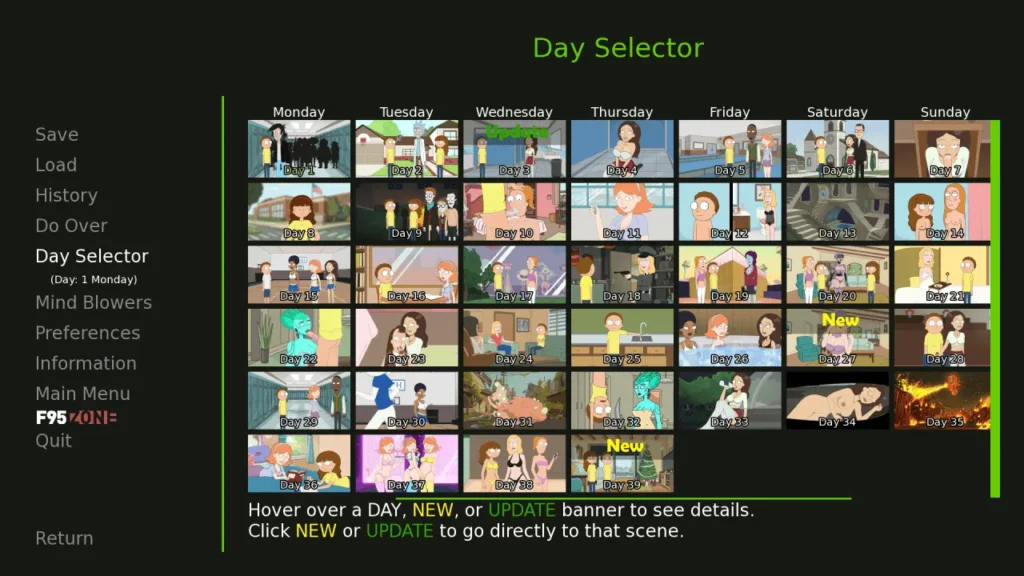
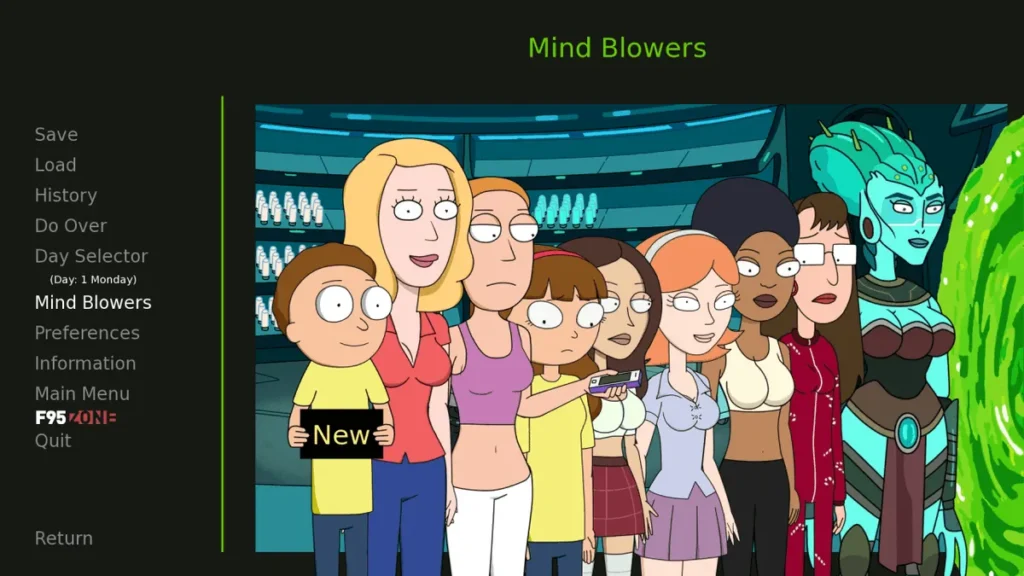
Rick and Morty Sex Game : Another Way Home Screenshots











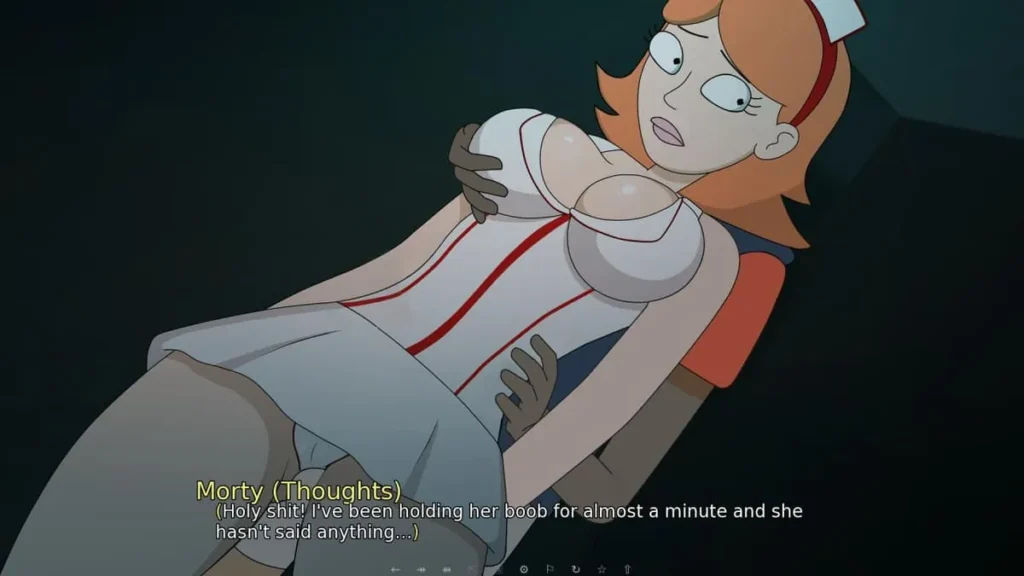







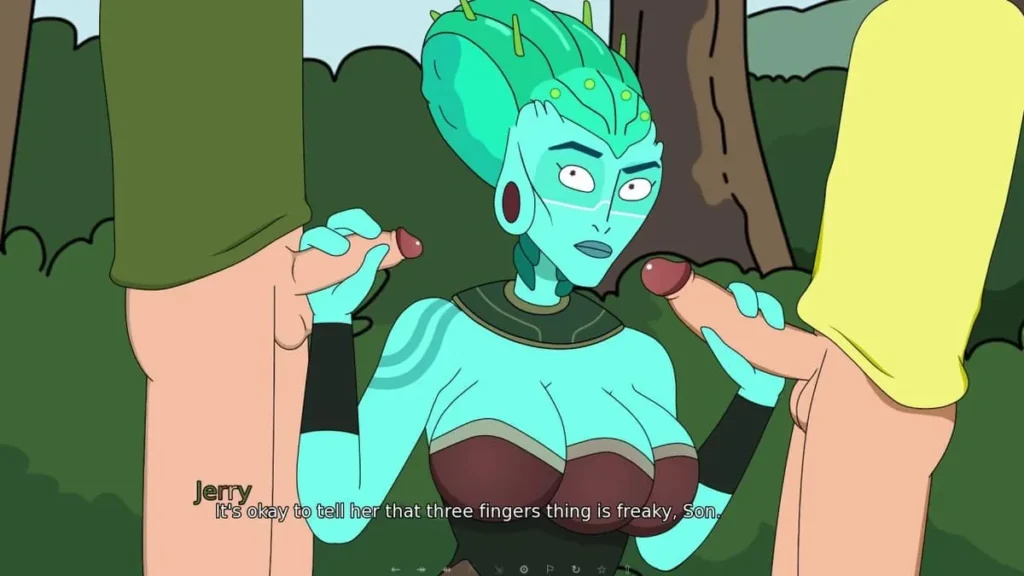





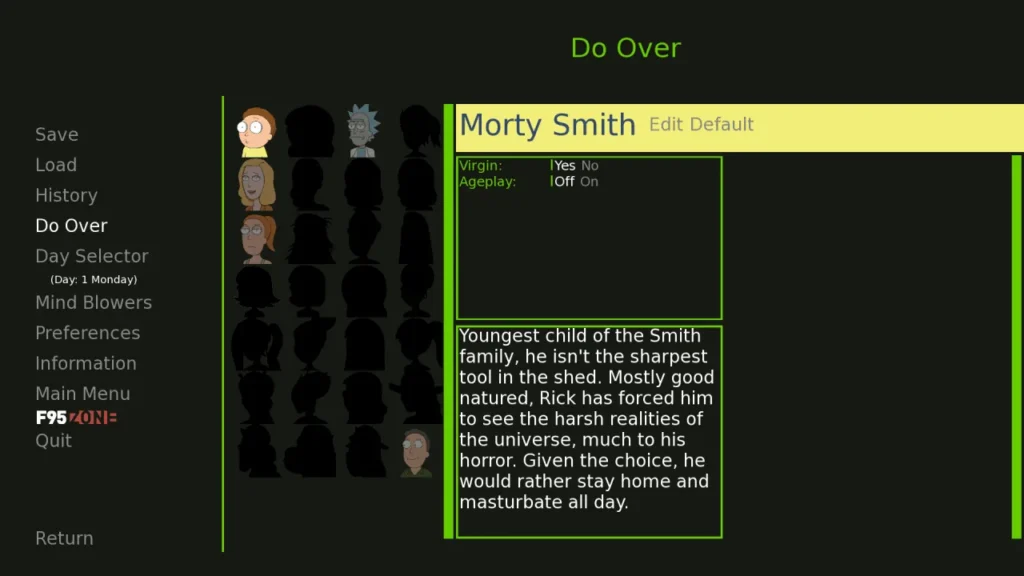
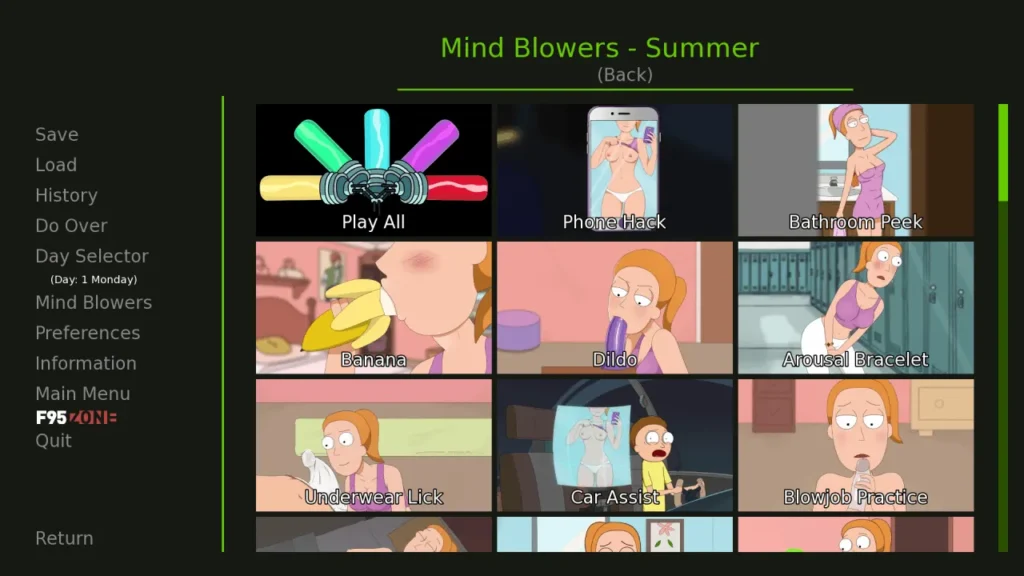
Rick and Morty Sex Game : Another Way Home review
Complete Overview of the Unofficial Fan-Made Visual Novel Adventure
Rick and Morty: Another Way Home is an unofficial fan-created visual novel that reimagines the beloved animated series through an interactive adventure experience. Developed as a Ren’Py fan remake, this game invites players to step into Morty’s shoes as he navigates through alternate universes filled with bizarre encounters and unexpected twists. The game combines the show’s signature humor with choice-based storytelling mechanics, allowing players to shape their journey through the multiverse. Whether you’re a dedicated Rick and Morty enthusiast or curious about fan-made gaming experiences, this guide explores everything you need to know about this immersive interactive adventure.
Game Overview and Core Features
Ever stumbled out of a portal, burp-free and slightly disappointed, wishing you could steer the adventures of your favorite dysfunctional genius and his grandson? 🤔 If official games haven’t quite captured the chaotic, choice-driven spirit of the show, you’re not alone. That’s where the passion of the fandom blasts in! Forget generic licensed titles—Rick and Morty Another Way Home gameplay offers a deeply personal, wildly branching adventure crafted by fans, for fans. This isn’t just another click-through story; it’s a choice-based storytelling adventure that puts the multiverse in your hands.
Developed by Night Mirror using the accessible Ren’Py engine, Another Way Home is an interactive decision making game that reimagines the Smith household with startling depth. Think of it as the ultimate “what if?” machine. What if you could explore Morty’s relationships with his family beyond the background angst? What if your choices actually changed the fabric of reality around you? This Ren’Py fan remake Night Mirror built isn’t trying to be a carbon copy of the show; it’s an expansion, a love letter that digs into the characters and concepts we only get glimpses of on screen. Let’s crack open this portal and see what makes it tick. 🔬
What Makes Another Way Home Unique
So, what sets this fan project apart in the vast, infinite central finite curve of fan content? 🪐 It’s the sheer ambition and focus on interactive decision making game principles. While the show gives us Rick’s perspective, this game often shifts the focus, letting you guide Morty (and sometimes others) through a summer that quickly spirals into multiversal chaos. The core uniqueness lies in its dedication to consequence. Every dialogue choice, every action, and even how you spend your in-game time can ripple outwards, unlocking entirely new story threads and closing off others.
Pro Tip: Save often and in different slots! My first playthrough, I made a flippant comment to Summer in Chapter 2 and didn’t realize it had completely locked me out of a hilarious team-up mission with her and an alternate Rick until much later. The game rewards—and punishes—your role-playing decisions.
The heart of this visual novel fan game mechanics is its commitment to the show’s tone while forging its own path. You’ll find the same blend of existential dread, crude humor, and sudden emotional gut-punches, but applied to new scenarios. The developers at Night Mirror have expanded story arcs for characters like Beth and Summer, giving them agency and problems that aren’t just tied to Rick. It’s this character-centric approach that fuels the incredible replay value.
Here’s a quick list of the core pillars that define this experience:
* Multiverse Worlds: Jump between vastly different dimensions, each with unique visual styles, rules, and absurd dangers.
* Deep Character Interactions: Build or break relationships with a full cast, including reimagined versions of familiar faces.
* Decision-Based Outcomes: Your choices lead to tangible plot forks, multiple endings, and hidden scenes.
* Exploration Elements: A semi-open world approach with time-based events means you can’t see everything in one go.
At its core, Another Way Home feels like playing through a lost season of the show, one where you hold the remote. 🎮
Gameplay Mechanics and Interactive Elements
Diving into the Rick and Morty Another Way Home gameplay is like getting a crash course in reality-hopping from Rick himself—confusing at first, but incredibly empowering once you get it. The foundation is classic visual novel: you read dialogue, inspect your environment, and make choices. But Night Mirror’s Ren’Py fan remake Night Mirror layers sophisticated systems on top of this framework to create a surprisingly strategic experience.
The most prominent system is the multiverse exploration game features. This isn’t just fast-travel with a palette swap. Certain points in the story let you dial up a new reality, each with a distinct artistic flavor and internal logic. One dimension might be a noir-style detective story, while another is a candy-coated dystopia. 🍭 These aren’t just backdrops; the rules of these worlds affect the puzzles you solve and the dialogue options available. Exploring them is a key part of advancing the plot and uncovering secret items that persist in your inventory.
Time management is another crucial layer. The game operates on a schedule. Characters are in different places at different times of the day, and certain events only trigger on specific days or if you’ve made the right choices beforehand. This turns a simple choice-based storytelling adventure into a bit of a strategic puzzle. Do you spend the afternoon in the garage trying to boost your rapport with a prickly alternate Rick, or do you help Summer with her own project to strengthen your sibling bond? You can’t do it all, and that’s the point.
To help you wrap your head of all the moving parts, here’s a breakdown of the core visual novel fan game mechanics:
| Gameplay Element | How It Works | Impact on Your Playthrough |
|---|---|---|
| Choice & Consequence System | Dialogue and action choices are timed or have hidden relationship score checks. | Directly alters story branches, unlocks special scenes, and influences ending conditions. |
| Multiverse Travel | Accessible via the portal gun at key narrative points. Each dimension has a unique theme and puzzle. | Essential for plot progression. Rewards exploration with items, lore, and character insights. |
| Character Relationship Scores | A hidden points system tracks your standing with each major character based on your choices. | High or low scores open exclusive dialogue paths, romance options, and side-quest availability. |
| Time & Event Scheduling | An in-game clock advances with each action. Characters and events are tied to specific times/days. | Forces meaningful decisions on how to spend time. Requires multiple playthroughs to see all content. |
Personal Insight: Don’t ignore the “hint” system in the menu if you get stuck. It’s brilliantly non-spoilery. In my second run, I was lost on how to access a certain dimension. The hint simply said: “Summer mentioned a weird TV signal. Maybe check the living room at night?” It led me to a scene I’d totally missed because I was always in the garage after dark! 🔦
The interactive decision making game philosophy shines in these layered mechanics. You’re not just picking “good” or “bad” dialogue. You’re managing resources (time, relationships), solving environmental puzzles across dimensions, and dealing with the often hilarious, sometimes tragic, consequences. It makes every playthrough feel uniquely yours.
Character Interactions and Relationship Building
If the multiverse is the stage, then the characters are the unforgettable, deeply flawed actors who make the show. The character relationship system in Another Way Home is arguably its greatest achievement. This goes far beyond simple “like/dislike” meters. Every major interaction is a building block in a complex web of friendships, rivalries, and romances that directly shape the narrative.
Let’s talk about the Smith family. Summer isn’t just the sarcastic teen in the background; she has her own arc involving her identity in a multiverse full of Summers. Your choices determine if you become confidants, rivals, or something more. Beth is presented with a depth that explores her scientist legacy and her complicated feelings toward her father and herself. And then there are the Ricks. You’ll encounter more than one, each with their own damaged worldview and agenda. Building trust with a cynical, lonely Rick variant feels like a genuine accomplishment, often requiring you to make hard choices that other characters may disapprove of. 😬
This is where the Rick and Morty Another Way Home gameplay becomes profoundly personal. Want to pursue a romantic subplot? The game allows for that with several characters, but these paths are gated behind consistent, specific choices that raise your hidden relationship score. It’s not about picking a single flirtatious option; it’s about demonstrating through many interactions that you understand and support that character. I once focused entirely on mending Beth’s scientific confidence, which unlocked a heartbreakingly sweet subplot about her building her own portal device, but it meant I completely missed Jerry’s surprisingly poignant storyline about trying to find his place.
The dialogue in key builds is fully voiced by talented sound-alikes, which massively enhances immersion. Hearing a performance that perfectly captures Rick’s cadence or Morty’s anxious stutter makes these interactive decision making game moments hit even harder. When you’ve carefully built a bond with a character over several hours, a voiced emotional scene has tremendous impact.
The genius of the character relationship system is that it fuels the multiverse exploration game features. Your standing with a character can open up new dimension coordinates, as they trust you with secrets or need your help on a personal mission. Conversely, pissing off the wrong Rick might leave you stranded in a harmless but useless dimension for a chunk of the game. It’s all connected, creating a living, reactive world that truly makes you feel like part of the Smith family chaos—for better or worse. 👨👩👧👦
In the end, Another Way Home stands as a testament to what passionate fans can create. It takes the core appeal of Rick and Morty—the nihilistic humor, the sci-fi concepts, and the buried emotional core—and gives you the controller. It’s a choice-based storytelling adventure that demands your participation, rewards your curiosity, and isn’t afraid to remind you that in a universe of infinite possibilities, the connections you choose to forge are the only thing that really matters. Now get out there and break some realities. Just remember to save first.
Rick and Morty: Another Way Home stands as a testament to the creative passion of fan communities, delivering an interactive experience that captures the essence of the original series while forging its own narrative path. Through its choice-based mechanics, expansive multiverse setting, and deep character interactions, the game offers players multiple ways to experience Morty’s journey home. The combination of strategic relationship-building, time-specific events, and hidden discoveries encourages exploration and replay value. Whether you’re drawn to the game’s immersive storytelling, the familiar characters reimagined in new contexts, or the interactive decision-making system, Another Way Home provides a unique extension of the Rick and Morty universe. For fans seeking to deepen their engagement with this beloved series through interactive entertainment, this fan-created adventure offers a compelling and memorable experience that continues to evolve with each new version update.