Short Sad Stories
Play Short Sad Stories
Short Sad Stories Screenshots
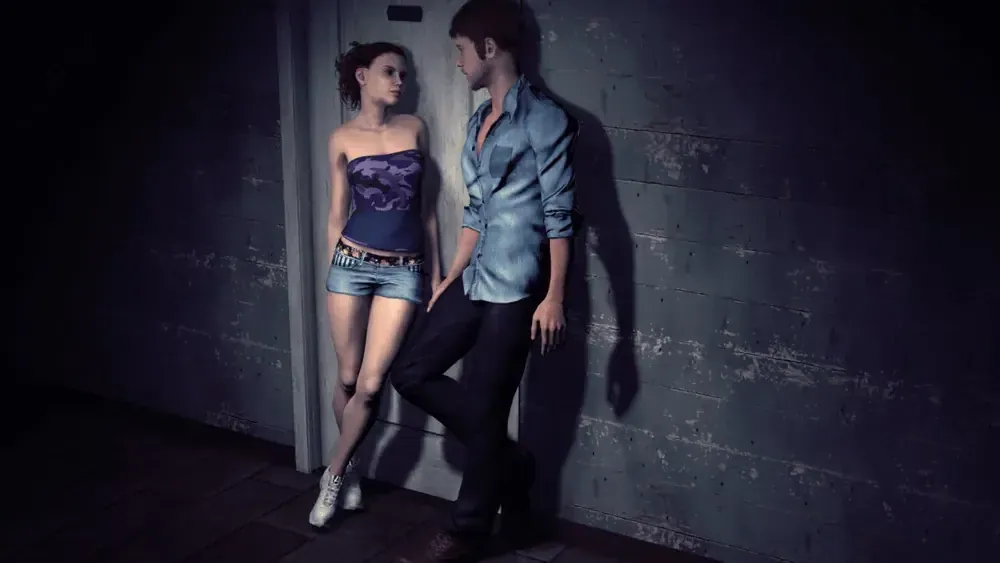

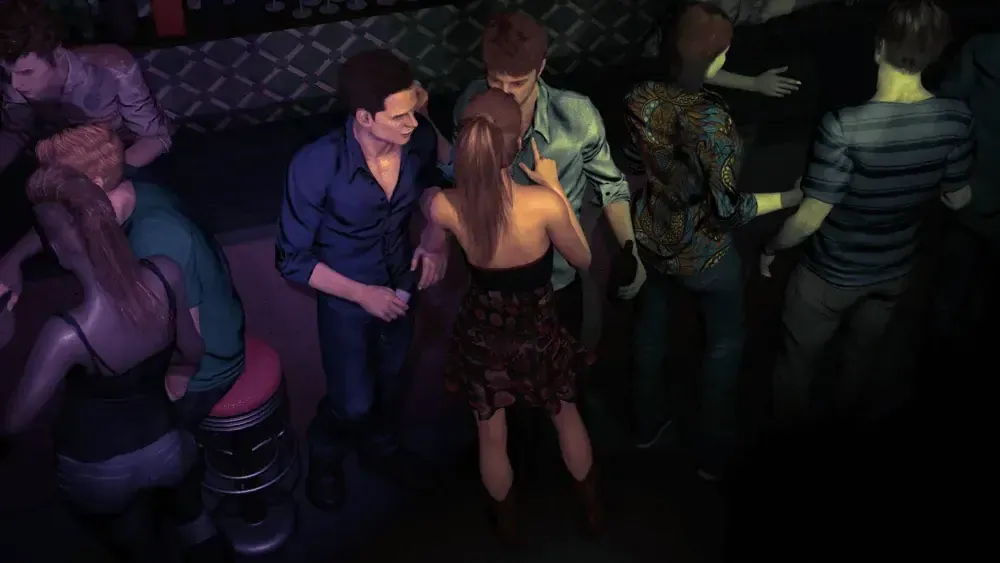
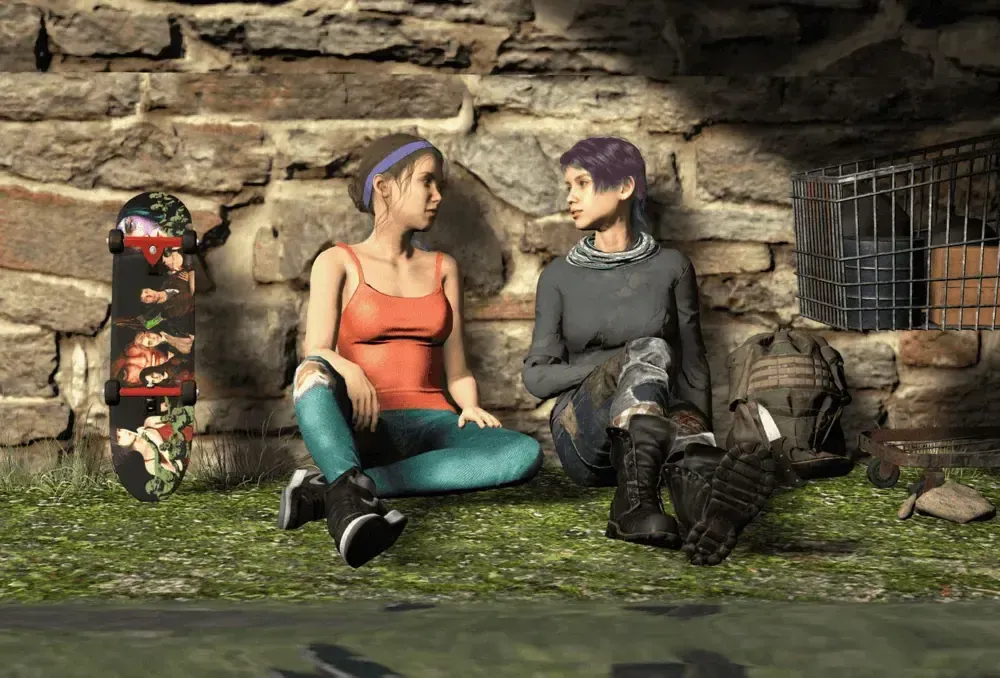
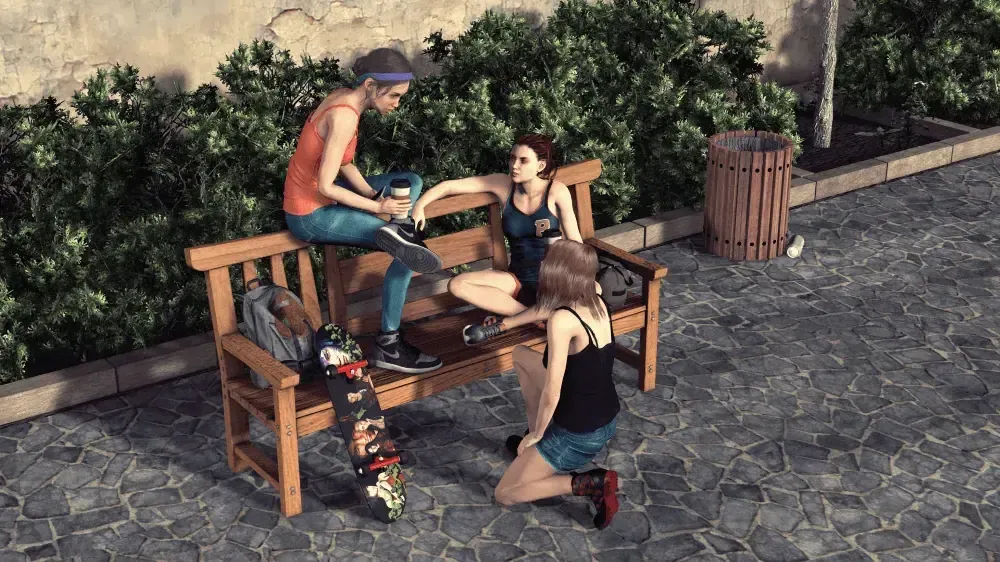
Short Sad Stories review
Dive into Heartbreaking Narratives and Choices in Pent Panda’s Captivating Game
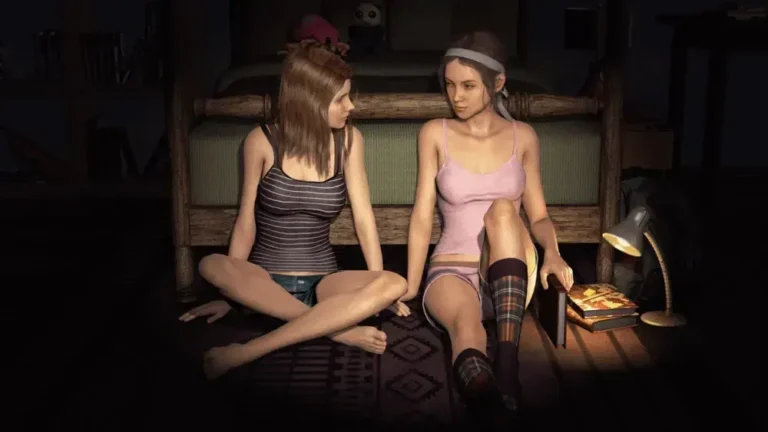
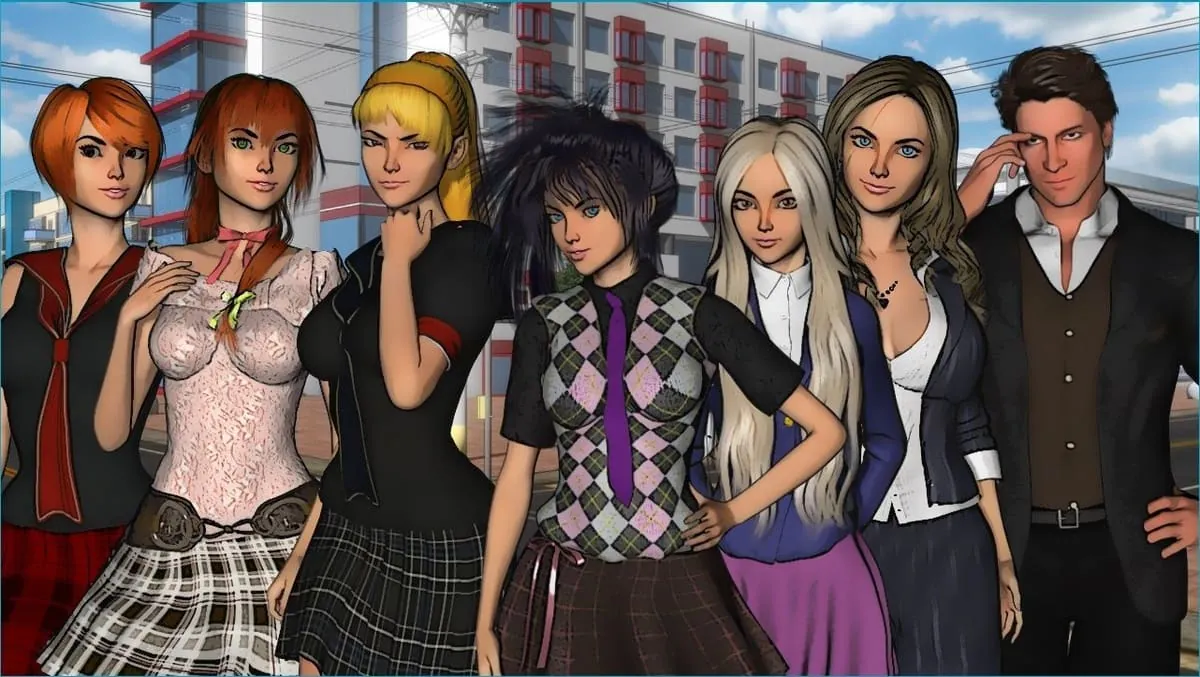
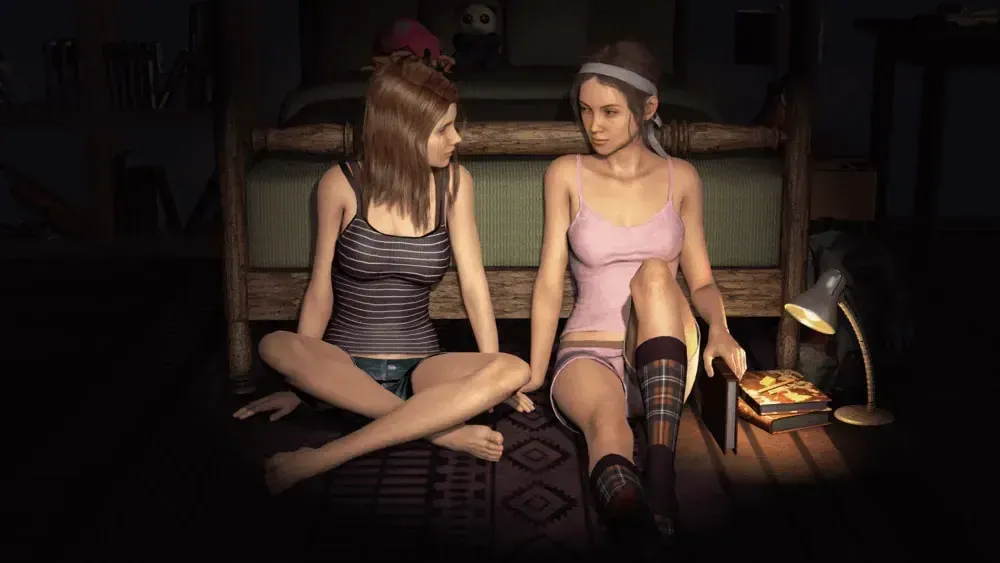
Have you ever played a game that left you staring at the screen, heart heavy with quiet reflection? That’s exactly what Short Sad Stories delivers—a poignant visual novel from Pent Panda that weaves intertwined tales of young adults navigating love, loss, and harsh realities in a bustling city. Centered on characters like dreamy Alice torn between fantasy and truth, returning hero Zach, and shadowy friends with hidden secrets, this interactive experience blends branching choices with inevitable emotional punches. I remember my first playthrough; one simple decision about a cherished item shattered me, revealing layers of regret I didn’t expect. In this guide, we’ll explore the Short Sad Stories gameplay, narrative depth, and why it lingers long after the credits roll. Ready to uncover its magic?
What Makes Short Sad Stories Gameplay So Unforgettably Moving?
I still remember my first playthrough of Short Sad Stories. I was trying to be the perfect friend, offering what I thought was sage advice at every turn. When the moment came to decide what to do with an old, frayed scarf—a clear relic of a painful past—I told Alice, with all the confidence of a virtual therapist, to “let it go.” I clicked the option, proud of my virtual maturity. The game didn’t yell at me. It just… continued. But later, in a quiet scene, Alice mentioned how empty the drawer looked now. She thanked me, but her smile didn’t reach her eyes. That’s when it hit me: I hadn’t solved her pain; I’d just curated its hiding place. This is the brutal, beautiful heart of Short Sad Stories gameplay 😢. Your visual novel choices don’t heroically fix things. They deepen your understanding of them, making you an accomplice to the ache.
Pent Panda’s masterpiece isn’t about winning or finding a golden ending. It’s about immersion into emotional truth. The interactive sad story game framework becomes a vessel for introspection, where player agency storytelling means steering through the storm, not calming the sea. Let’s dive into what makes this experience so uniquely gut-wrenching.
How Player Choices Reshape Emotional Journeys in Short Sad Stories
‘That moment of placing the photograph in the box hit harder than any twist—it was pure, raw emotion.’
This quote from my own playthrough captures the essence of the mechanic. At its core, how choices affect Short Sad Stories is subtle yet profound. You won’t be choosing factions or moral alignments. Instead, you’re making micro-decisions: do you press a character to talk about their loss, or share a silent moment looking at the rain? Do you keep a broken watch or discard it? Each choice feels deeply personal, and that’s the point ✨.
The emotional game mechanics here are designed to build intimacy, not power. When you choose to listen patiently instead of interrupting, you’re not unlocking a “good dialogue path.” You’re simply witnessing a character become a little more real, a little more broken, in front of you. The agency lies in the depth of your attention. My “advice” with the scarf was, in hindsight, a refusal to sit with discomfort. The game gently punished that by showing me the consequence: a hollow, “polite” resolution that helped no one.
Actionable Advice: On your first run, resist the urge to “fix.” Choose the options that feel curious, not curative. Ask “What’s this?” instead of “You should…” This will open up more nuanced backstory and set the stage for richer branching storylines Short Sad Stories is famous for.
Your role is that of a witness and a participant. The visual novel choices are less about altering fate and more about mapping the contours of a heartbreak. You decide which facets of a painful memory to examine under the light, knowing all the while that the memory itself remains unchanged. This redefinition of player agency storytelling—from control to comprehension—is what makes the journey so moving.
Exploring Branching Paths and Inevitable Outcomes
Here’s the fascinating tension at the heart of Short Sad Stories gameplay: while many outcomes feel inevitable, the paths to them are wonderfully varied. You might think, “If the ending is sad anyway, do my choices matter?” The answer is a resounding yes—but not in the way you’d expect 🌊.
The branching storylines Short Sad Stories employs are masterclasses in narrative design. They aren’t branches leading to different forests, but different trails through the same, haunting woods. A major narrative beat—like a confrontation about a past betrayal—will always happen. But how you arrive there, the emotional baggage both you and the character carry into that scene, is entirely shaped by your prior decisions. Did you discover the old love letters? Did you avoid talking about the failed holiday? These details color the confrontation, changing its tone from one of fiery anger to one of exhausted sorrow.
This design necessitates multiple playthroughs, and Pent Panda incentivizes this brilliantly. You’ll see prompts like “Another perspective awaits…” nudging you to replay a chapter. It’s not a chore; it’s an archaeological dig into emotion. On my third run, I focused solely on items connected to Alice’s father. By prioritizing those visual novel choices, an entire subtext of her behavior—her reluctance to commit, her fear of abandonment—snapped into heartbreaking focus. I had seen the “ending” before, but I hadn’t understood it until that moment.
The emotional game mechanics ensure that no single playthrough gives you the whole picture. You must live through these sad stories multiple times, each loop layering new context and making the final, inevitable conclusions feel even more poignant. It’s a bold approach to an interactive sad story game, trading superficial replay value for profound emotional resonance.
Key Mechanics: From Item Curation to Memory Replay
The magic of Short Sad Stories is baked into its specific, tactile mechanics. This isn’t a game of fast clicks and quick-time events; it’s a slow, deliberate process of handling emotional artifacts.
-
Item Curation (Keep/Discard): This is your most frequent and potent choice. You’ll be presented with objects charged with memory—a ticket stub, a chipped mug, a torn photograph. The game forces you to physically decide: place it in the “Keep” box or the “Discard” trunk. There’s no “right” answer. Keeping an item might validate a character’s pain, allowing them to hold on. Discarding it might be a push toward painful, necessary growth. This mechanic directly visualizes how choices affect Short Sad Stories, turning abstract emotions into concrete actions 🎁.
-
Slow Environmental Interaction: You can click on almost everything in a room, but instead of yielding inventory items or clues, they yield mood. Clicking on a dusty piano might trigger a fleeting, sad memory from the protagonist. Running your cursor over a sunbeam on the floor might simply note how warm it feels. This slows you down, matching the game’s melancholic pace and building its atmospheric weight.
-
Memory Replay with Variation: Certain key moments are presented as fragmented, replayable memories. The first time you see one, it’s blurry, disjointed. As you uncover more context through your choices in the present, you can revisit these memory sequences. New details come into focus, dialogue becomes clearer, and the painful truth of the past is gradually revealed. This is a genius emotional game mechanic that ties your present agency directly to the reconstruction of the past.
To see how these mechanics serve different types of stories, let’s break down some key narratives:
| Story Arc Theme | Core Gameplay Mechanic | Emotional Payoff |
|---|---|---|
| Loss & Letting Go | Item Curation (The Keep/Trunk Choice) | The bittersweet catharsis of deciding what part of a person to honor by keeping, and what part to release by discarding. |
| Regret & Missed Chances | Memory Replay (Unlocking New Details) | The painful, dawning realization of your own past blindness, as once-hidden truths in a memory come to light. |
| The Weight of Silence | Slow Environmental Interaction & Dialogue Options | The profound impact of choosing shared quiet over forced conversation, building intimacy without words. |
| Fractured Connections | Branching Paths to a Shared Outcome | Understanding that some relationships end not with a bang, but with mutually understood silence, reached via different roads. |
This structured yet fluid interplay of systems is what defines Short Sad Stories gameplay. It provides a framework that guides your emotional exploration without ever cheapening it with simple solutions.
After multiple journeys through its poignant chapters, I’ve come to see Short Sad Stories not just as a game, but as a unique narrative instrument. Pent Panda hasn’t just created another visual novel; they’ve refined a format for delivering emotional truth. The standard model of player agency storytelling is often linked to power and control. This game brilliantly severs that link. Here, agency is tied to empathy and attention.
Your visual novel choices matter not because they change the world, but because they change you—the player. They demand you invest, care, and ultimately, accept the beauty in bittersweet conclusions. The branching storylines Short Sad Stories uses ensure that this investment pays compounding emotional dividends across playthroughs. You walk away not with a trophy, but with a quiet, resonant understanding of themes like loss and regret.
This is why it stands apart from typical games. It doesn’t use sadness as a cheap trigger; it builds sadness as a landscape to be meticulously, respectfully explored. In an interactive sad story game, the interaction isn’t about altering the sadness. It’s about fully, and finally, feeling it. And that is an unforgettable achievement 🐼❤️.
Short Sad Stories isn’t just a game; it’s an emotional voyage through Alice’s dreams, Zach’s disappointments, and the tangled bonds of friendship and secrets that bind them. From its masterful branching choices that deepen your connection to inevitable heartaches, to the quiet mechanics that make every interaction feel profound, Pent Panda has crafted something truly special. My own journeys through its paths left me reflecting on my regrets and hopes long after. If you’re craving a visual novel that prioritizes feeling over frenzy, dive into Short Sad Stories today—replay it, choose differently, and let it change how you see your own story. What’s your first choice going to be?