Sorcerer
Play Sorcerer
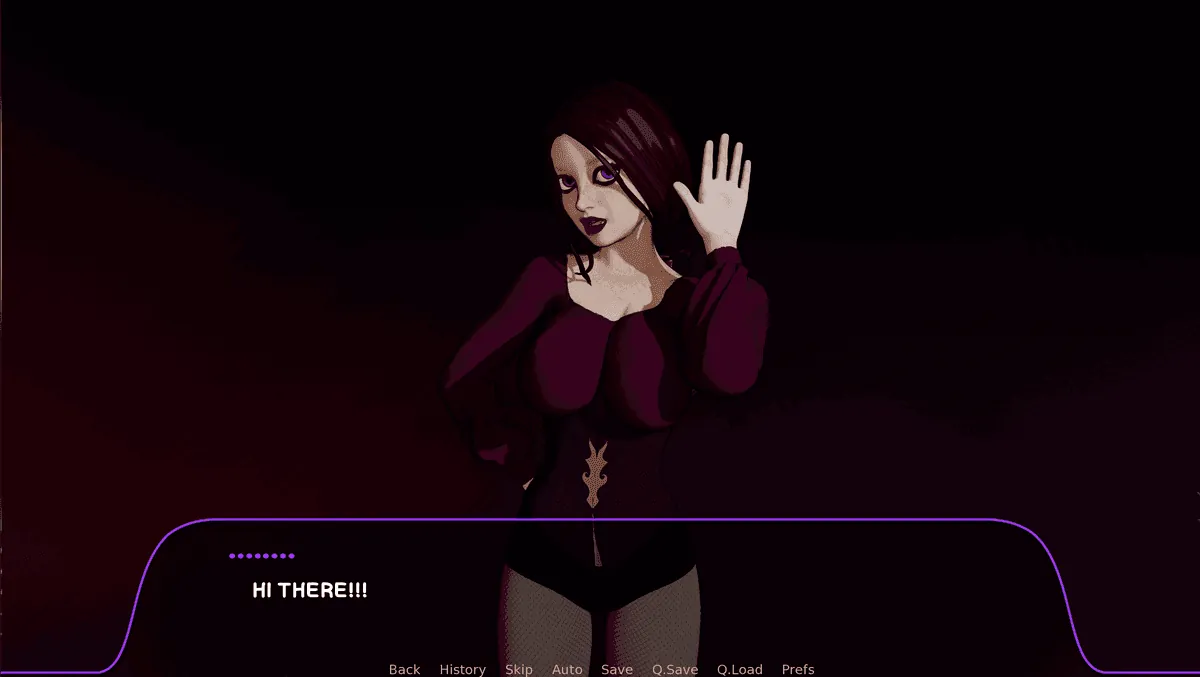
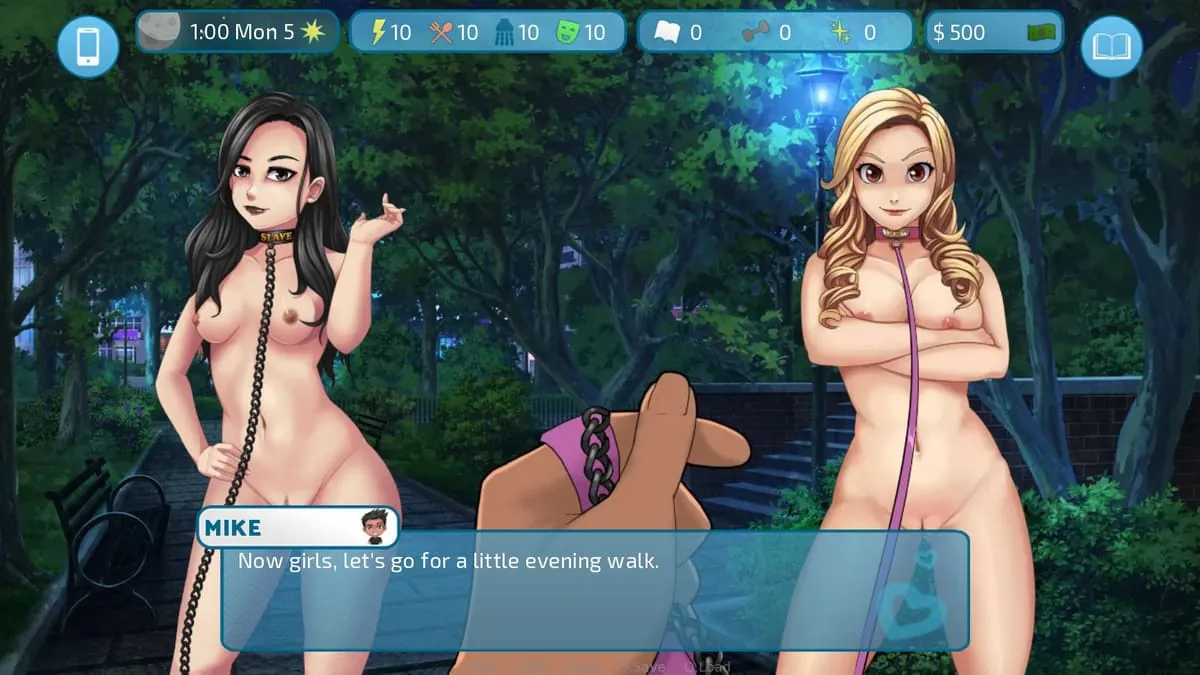
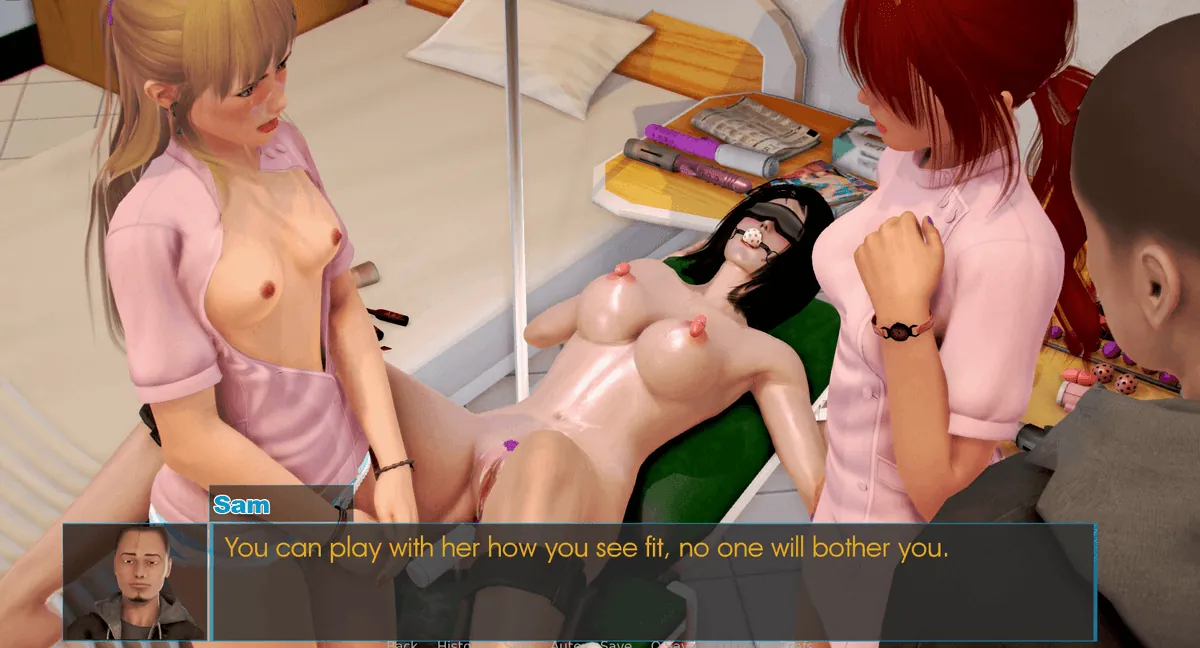
Sorcerer Screenshots






Sorcerer review
Explore the Light and Darkness paths in this narrative-driven visual novel experience
Sorcerer is a narrative-driven visual novel that places players at the center of a profound moral choice: will you embrace the path of Light or descend into Darkness? Developed by Talothral, this game stands out in the adult gaming landscape for its meaningful decision-making system that fundamentally shapes your entire experience. Rather than superficial alignment choices, your selection between an angelic or demonic companion creates two entirely different narratives, romance storylines, and endings. If you’re looking for an adult game where your choices genuinely matter and impact the story’s direction, Sorcerer delivers a compelling experience with rich character development and thematic depth.
Understanding the Core Gameplay Mechanics and Story Structure
Ever booted up a game expecting a simple, spicy distraction, only to find yourself utterly consumed by a world of impossible choices and profound consequences? 😮 That was my exact experience with Sorcerer. What starts as a visually stunning RenPy adult game quickly reveals itself to be one of the most intricate and morally demanding choice-based narrative game experiences I’ve ever played. You’re not just clicking through scenes; you’re architecting a life, defining a soul, and navigating a story that splits into two wildly different realities based on your core values.
At its heart, Sorcerer is a masterclass in visual novel gameplay. It uses the accessible RenPy engine not for simplicity, but as a powerful canvas for a deeply branching story. Forget minor dialogue tweaks—here, your decisions forge entirely unique narratives, character relationships, and endings. The Sorcerer game mechanics are elegantly woven into this framework, creating a character progression system that feels less about stats and more about the evolution of your persona within the world. This chapter is your guide to understanding that brilliant architecture. We’ll peel back the layers of its story structure and uncover how every choice you make, from the monumental to the seemingly mundane, echoes through your entire journey.
### The Central Choice: Light vs. Darkness
From the moment you name your protagonist and step into his shoes, Sorcerer presents you with its central, defining mechanic: the path of Light vs Darkness. This isn’t a cosmetic “good or evil” slider you occasionally tweak. 🎭 It’s the foundational axis upon which your entire story rotates, a philosophical fork in the road that leads to two distinct, fully-realized worlds. Think of it less as choosing a team and more as choosing the fundamental lens through which you will experience power, connection, and desire.
I remember my first playthrough, stubbornly committed to a pure “Light” path. I chose kindness, protection, and emotional connection at every turn. The story rewarded me with a deeply romantic, emotionally resonant journey where intimacy felt earned and tender. On my second run, curiosity got the better of me. I embraced the “Darkness” route, pursuing power, dominance, and raw ambition. The shift wasn’t just in the scenes I unlocked; the very tone of the narrative changed. Characters reacted to me differently, new story branches opened that were completely absent before, and the nature of the adult content itself transformed to reflect a more possessive, controlling dynamic. It was like playing a completely different game with the same cast.
This Light vs Darkness path system is the ultimate engine for replayability. The game doesn’t judge your choice but commits to it utterly. Your alignment influences:
* Dialogue Options: Entire conversation trees are gated by your affinity.
* Character Relationships: How you bond with the central love interests—be it through nurturing support or commanding influence—is directly shaped by your path.
* Story Scenes & Scenarios: Major plot events and locations can differ dramatically.
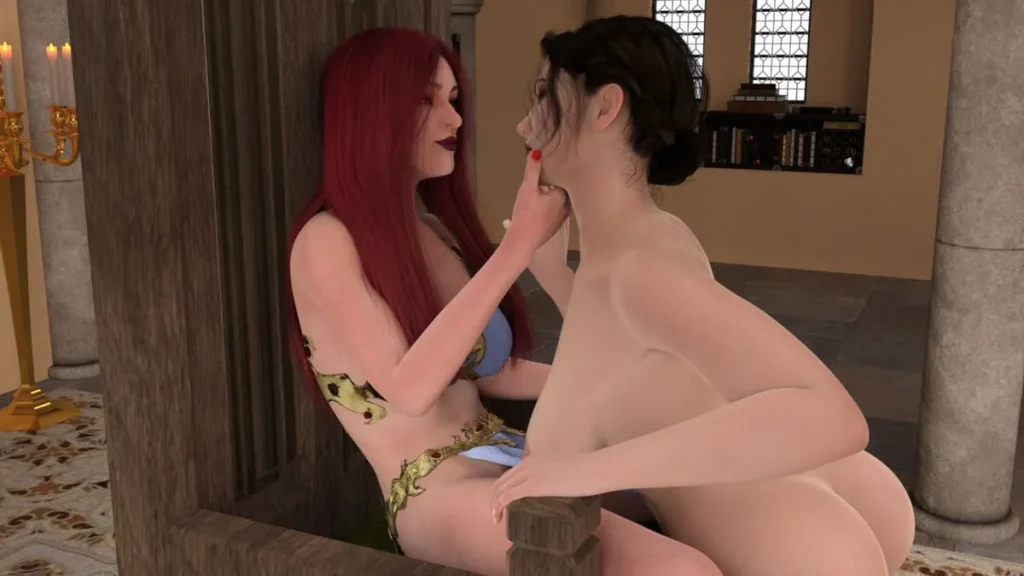
* Visual Storytelling: With an impressive 1237 renders in version 1.0.0, a significant portion of this visual library is dedicated to showcasing the unique moments, expressions, and environments of each route. The “Light” path might feature warm, sun-drenched scenes of companionship, while the “Darkness” path explores shadowy, intense moments of conquest.
Pro Tip: Don’t try to “balance” these forces on your first playthrough. Sorcerer is designed for you to commit. Pick the philosophy that genuinely speaks to you and live with the consequences. The most powerful moments come from fully embracing one ideology and seeing where it leads.
To give you a clearer picture of what you’re choosing between, here’s a breakdown of the core differences:
| Aspect | The Light Path 🌟 | The Darkness Path 🌑 |
|---|---|---|
| Core Theme | Redemption, Sacrificial Love, Protecting Others | Ambition, Personal Power, Embracing Forbidden Magic |
| Romance Style | Slow-build, Emotional, Mutual Partnership | Intense, Possessive, Power-Dynamic Driven |
| Character Focus | Healing past wounds and building a loving future. | Unleashing potential and claiming what you desire. |
| Gameplay Tone | Drama, Emotional Struggle, Hopeful Resilience |
This fundamental choice is what elevates Sorcerer from a standard visual novel to a poignant narrative experiment. It asks: Who are you when granted power? And it has the content to support either answer in breathtaking detail.
### Character Development and Progression Systems
While many narrative games make you feel like a passenger in someone else’s story, Sorcerer employs a clever suite of Sorcerer game mechanics to make you feel like the true author. Your progression isn’t tracked by experience points or skill trees in a traditional sense, but through the tangible impact of your meaningful choices in games. Your “character sheet” is the state of the world and the hearts of those around you.
The most immediate personalization is naming your protagonist. This simple act is a cornerstone of immersion in this choice-based narrative game. You’re not watching “Alex” or “Leo” navigate this magical conflict; you are guiding your own namesake through every triumph and crisis. This, combined with the first-person perspective that RenPy handles so well, forges a powerful connection between you and the on-screen avatar.
The game’s timeline is structured across multiple in-game days, each representing a chapter in your evolving saga. This isn’t a rushed affair. Each day is packed with scenarios—social interactions, magical training, personal reflections, and pivotal story beats. Your character progression system unfolds across these days through:
* Relationship Depth: Choices that increase trust, affection, or fear with key characters, unlocking deeper, more personal scenes and dialogue.
* Magical Affinity: Your consistent choices on the Light or Darkness path strengthen your connection to that aspect of magic, which in turn unlocks specific abilities and narrative options unique to that route.
* Plot Flags: The game remembers everything. A kindness shown on Day 3 might lead to an offer of crucial help on Day 7. A harsh word spoken in confidence could close a door forever.
I learned this the hard way. In an early playthrough, I dismissed a side character’s problem as a distraction from the main romance. Later, when I faced a major obstacle, that character was nowhere to be found to offer aid—an aid that, I discovered in a subsequent playthrough, could completely change the outcome of a tense confrontation. This is the genius of Sorcerer’s design: progression is narrative consequence. You grow not by grinding, but by engaging authentically with the world.
The visual novel gameplay is enriched by the sheer volume of bespoke content. Those 1237 renders mean you’re rarely seeing generic backgrounds or repeated character poses. Every significant moment has its own visual identity, making your progression feel visually documented and unique. The adult content is seamlessly integrated into this progression; scenes of intimacy are treated as the culmination of emotional or power-based story arcs, not random detours. They feel earned and relevant to the path you’ve chosen, whether it’s a moment of tender vulnerability on the Light path or a display of commanding passion on the Darkness path.
### How Your Decisions Shape the Narrative
This is where Sorcerer truly separates itself from the pack. The promise of meaningful choices in games is often made, but rarely delivered with such consistency and depth. Here, your agency is real. The narrative is a fragile, reactive ecosystem, and your choices are the stones dropped into its pond—the ripples touch every shore.
The Sorcerer game mechanics are built to make every decision feel weighty. It’s not about picking the “correct” option to maximize a score; it’s about deciding who you want to be. Will you use your emerging powers to calmly defuse a hostile situation, or make a brutal example of the aggressor? 🧨 The game doesn’t highlight one as “right,” but it will remember. That choice will affect how other characters perceive you, what opportunities they offer you later, and even how the adult content narratives unfold with them.
What makes Sorcerer’s system so special? Let’s break it down with a list of its key features:
- Long-Term Consequence Tracking: Choices aren’t forgotten after the next scene. A decision in Act 1 can directly determine which ending you qualify for in the Epilogue.
- Interwoven Story Branches: Choosing a path doesn’t just change the ending; it changes the middle. Entire subplots, character backstories, and locations are exclusive to the Light vs Darkness path you choose.
- Romance as a Narrative Driver: Pursuing a relationship isn’t a side-quest. It’s a central narrative pillar that influences the main plot, your character’s motivations, and the available solutions to major conflicts.
- The “Butterfly Effect” of Small Choices: Sometimes, it’s the quiet, seemingly insignificant dialogue option—asking an extra question, offering a word of encouragement—that opens up a critical path hours later.
This design philosophy culminates in the game’s epilogue system. Unlike games that tack on a generic finale, Sorcerer provides closure specifically tailored to the intricate web of choices you’ve woven. Your epilogue is a direct reflection of your journey on your chosen Light vs Darkness path, your key relationships, and the major moral stands you took. It answers the question, “What world did I create?” with a bespoke conclusion that can range from bittersweet to triumphantly happy, and everything in between.
Playing Sorcerer is an exercise in authorship. You are handed a rich set of Sorcerer game mechanics and a compelling character progression system, then set free in a beautifully rendered world. The RenPy adult game framework becomes invisible, leaving only the raw power of a choice-based narrative game operating at its highest level. You’ll find yourself pausing before major decisions, not to min-max an outcome, but to truly ask yourself: “In this world of magic and desire, who do I choose to become?” And that, perhaps, is the most magical mechanic of all. ✨
Sorcerer represents a thoughtfully crafted visual novel that prioritizes meaningful player choice and narrative depth. The game’s central mechanic—choosing between the Light path with Flow or the Darkness path with Lobelia—creates two entirely distinct experiences, each with its own thematic exploration and multiple endings. Whether you’re drawn to themes of redemption and gentle love or prefer embracing freedom and passionate intensity, Sorcerer delivers substantial content that respects your choice and builds an engaging story around it. With 1237 renders, multiple story days, and carefully branching narratives, the game offers significant replay value as you explore both routes. Available across Windows, Mac, Linux, and Android platforms, Sorcerer is accessible to players with various preferences. If you’re seeking an adult visual novel where your decisions genuinely matter and shape a compelling narrative experience, Sorcerer stands out as a title worth exploring. Start your journey today and discover which path calls to you.