The Theater of Sinners
Play The Theater of Sinners
The Theater of Sinners Screenshots
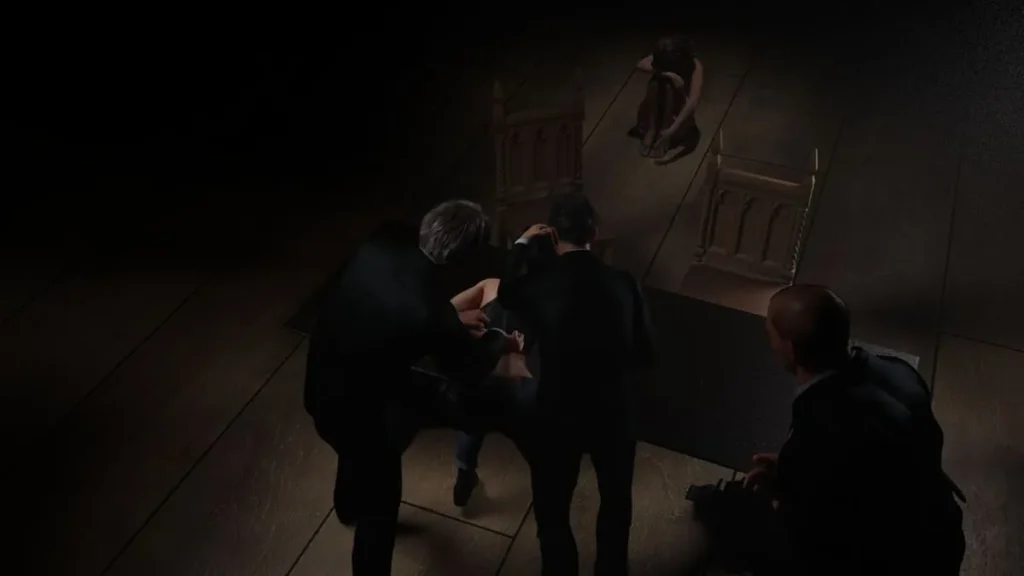
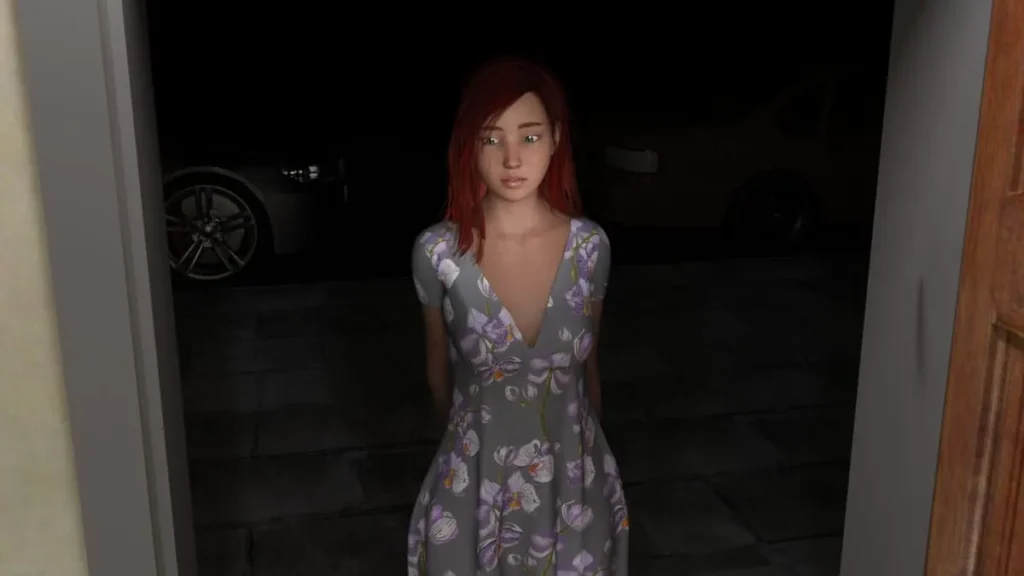
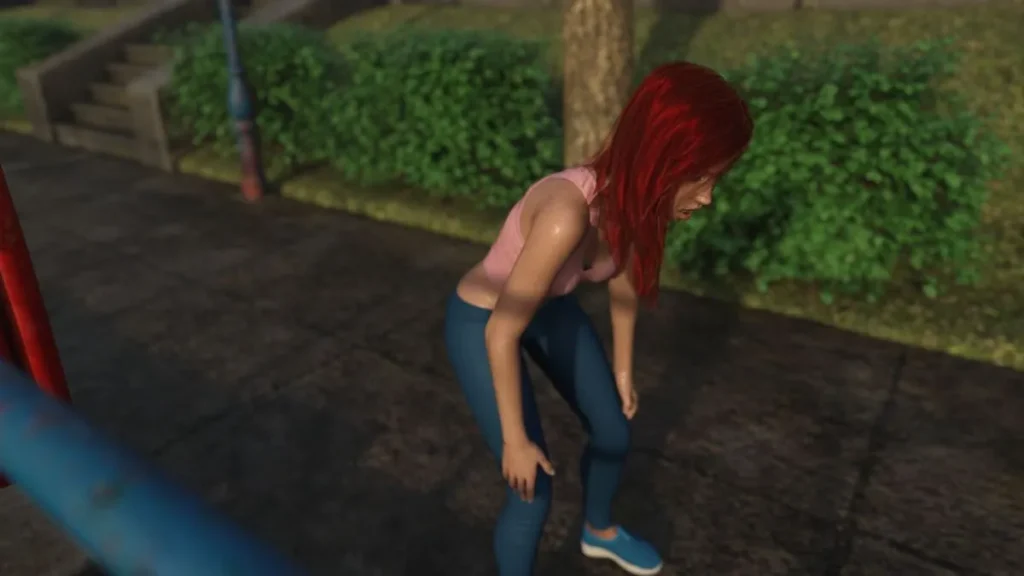
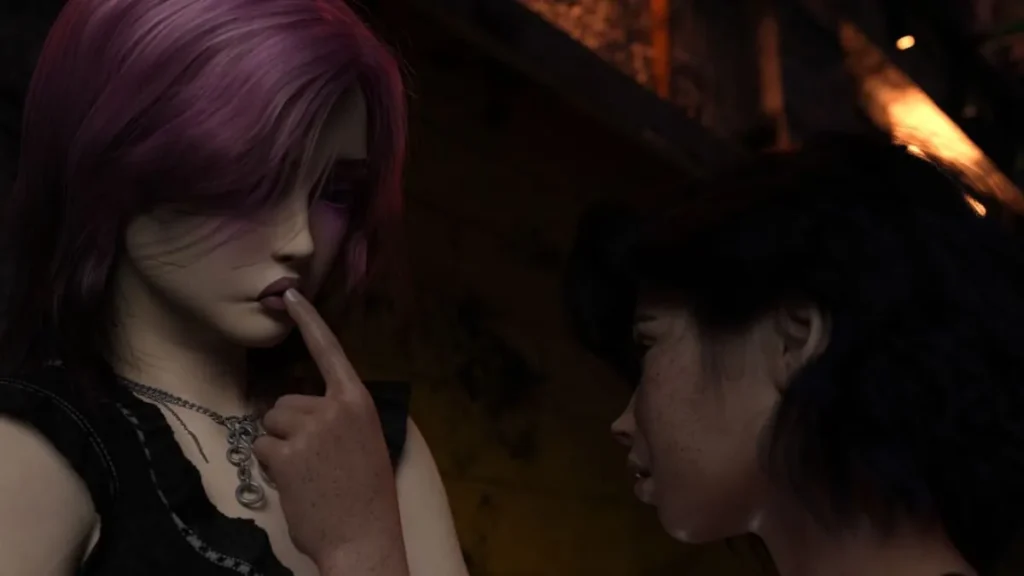
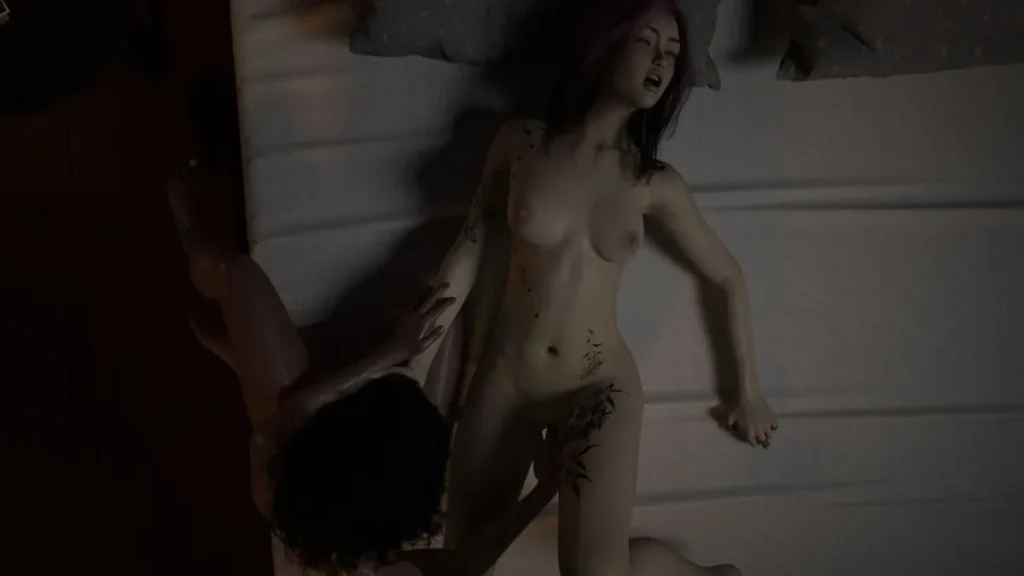
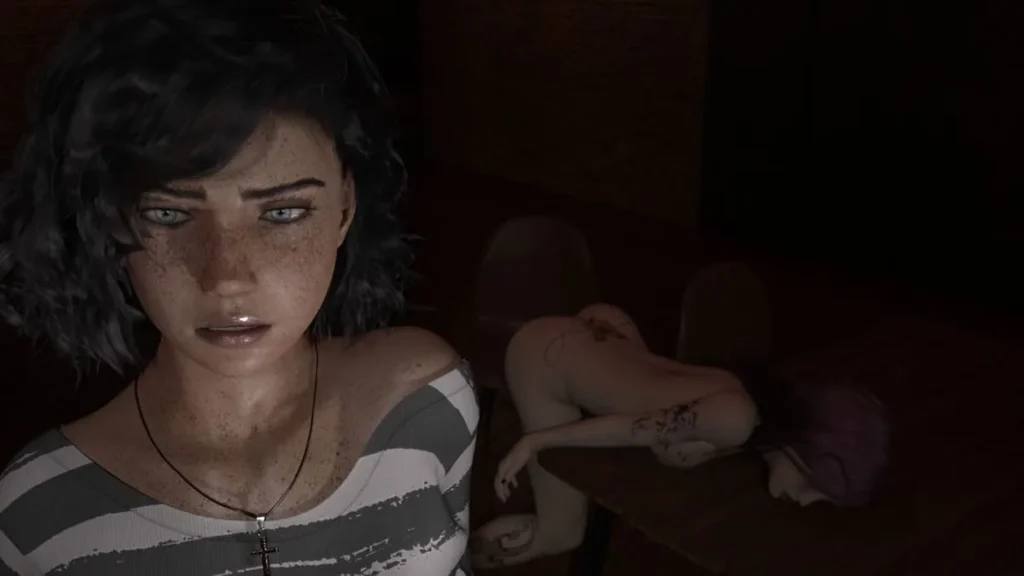

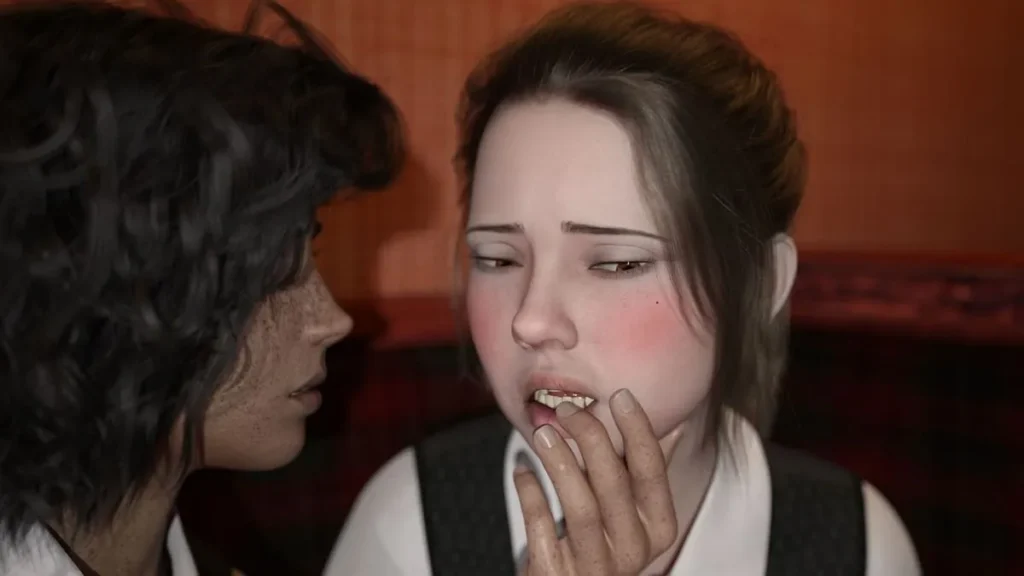
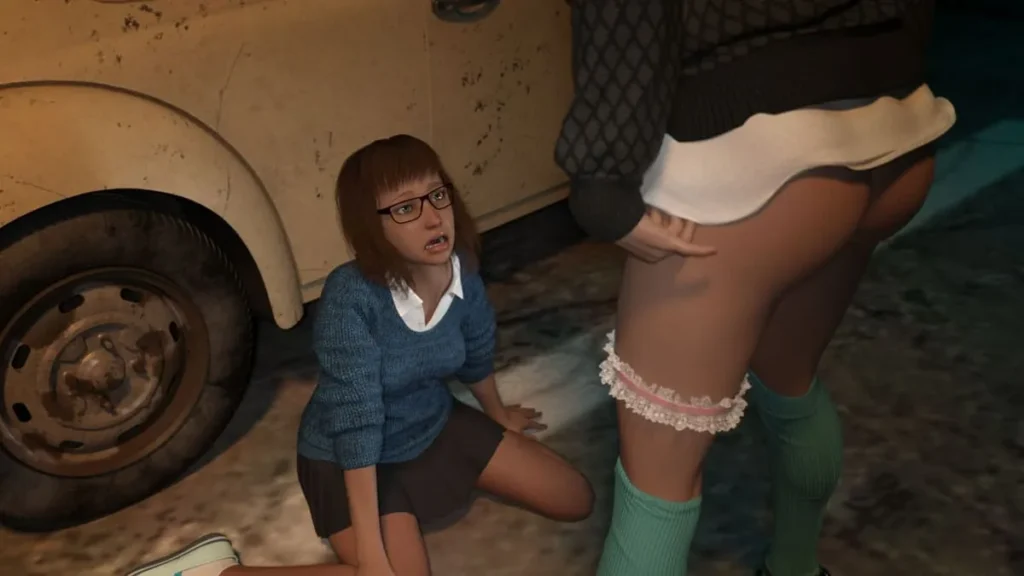
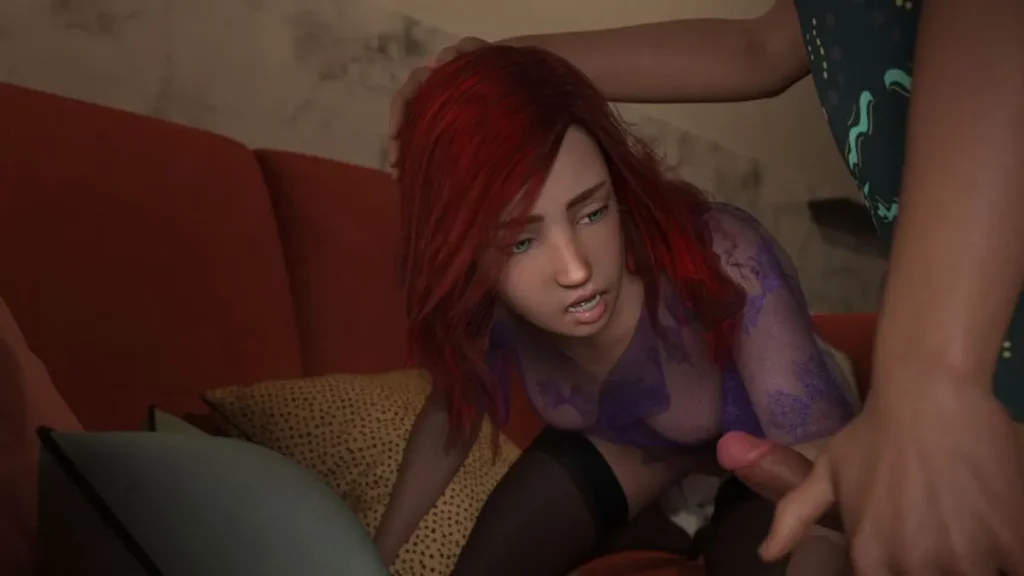
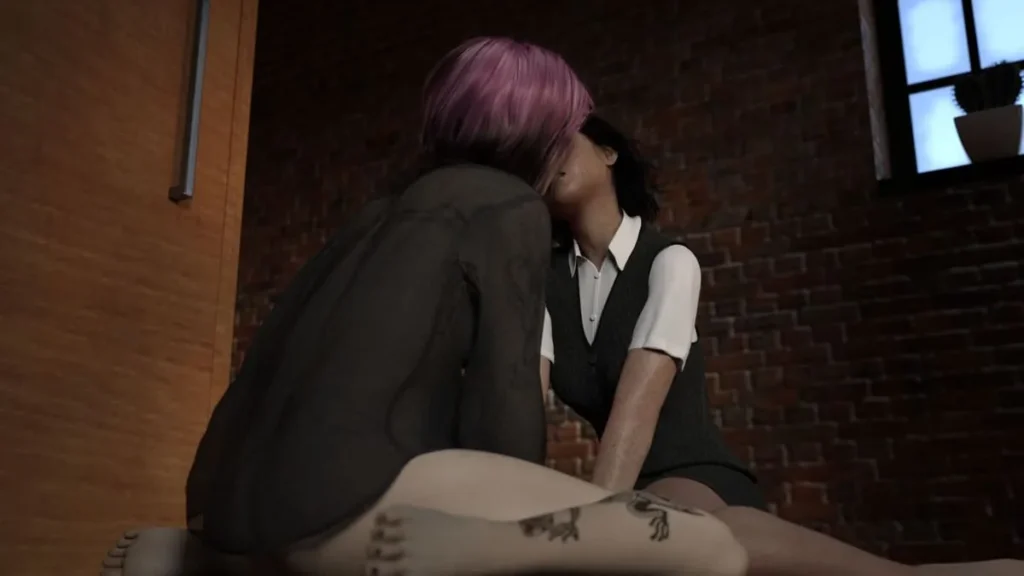
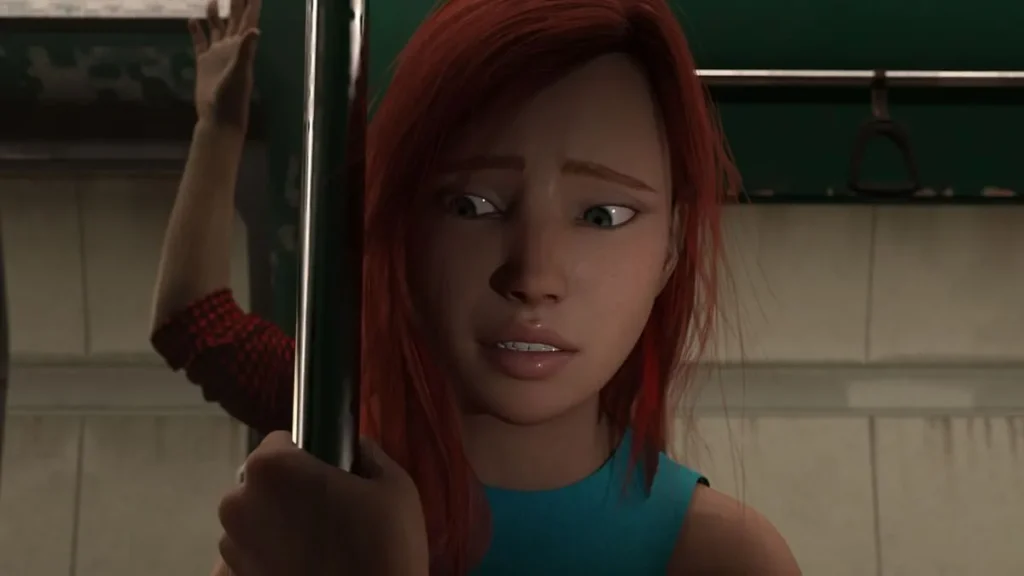
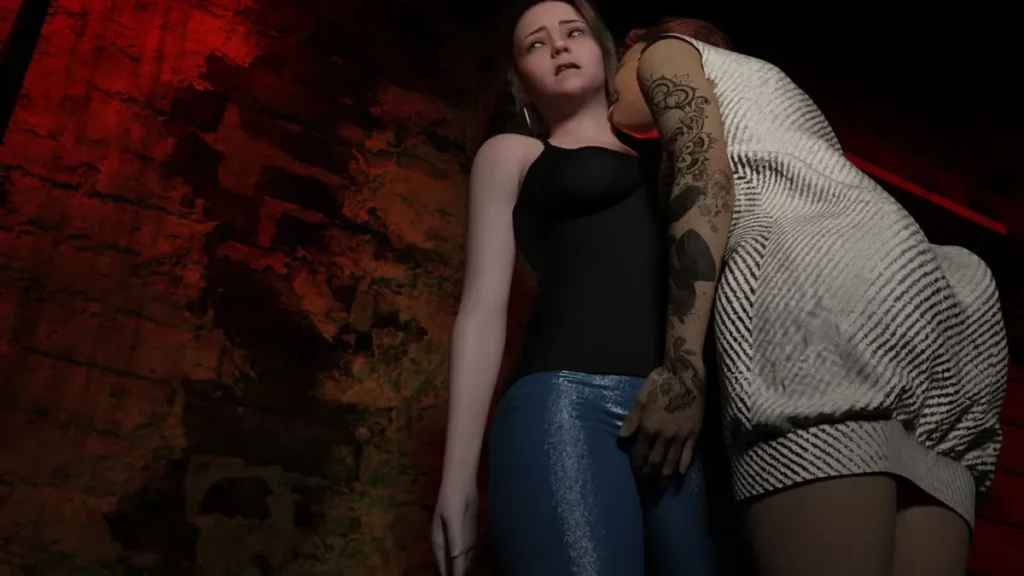
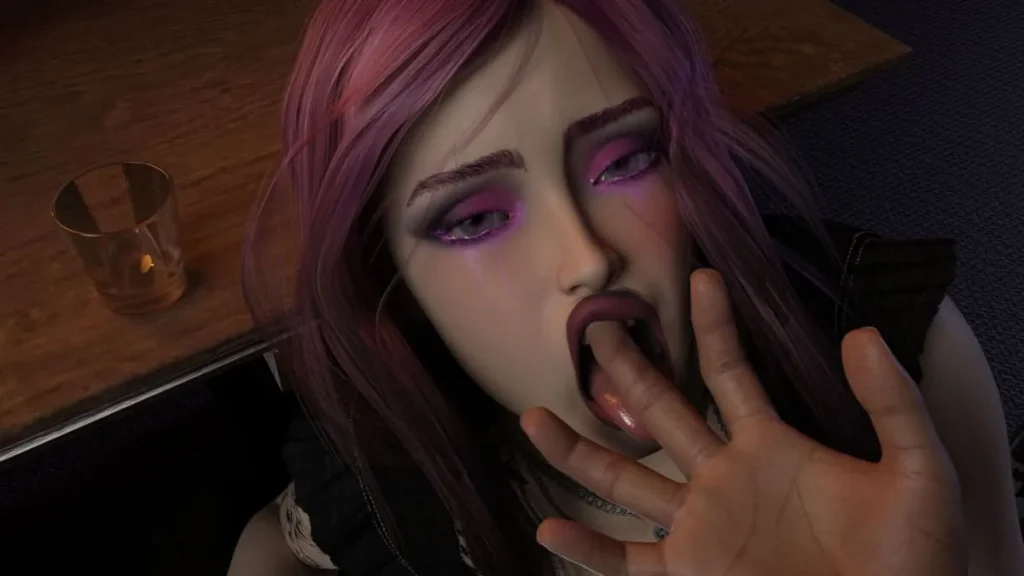
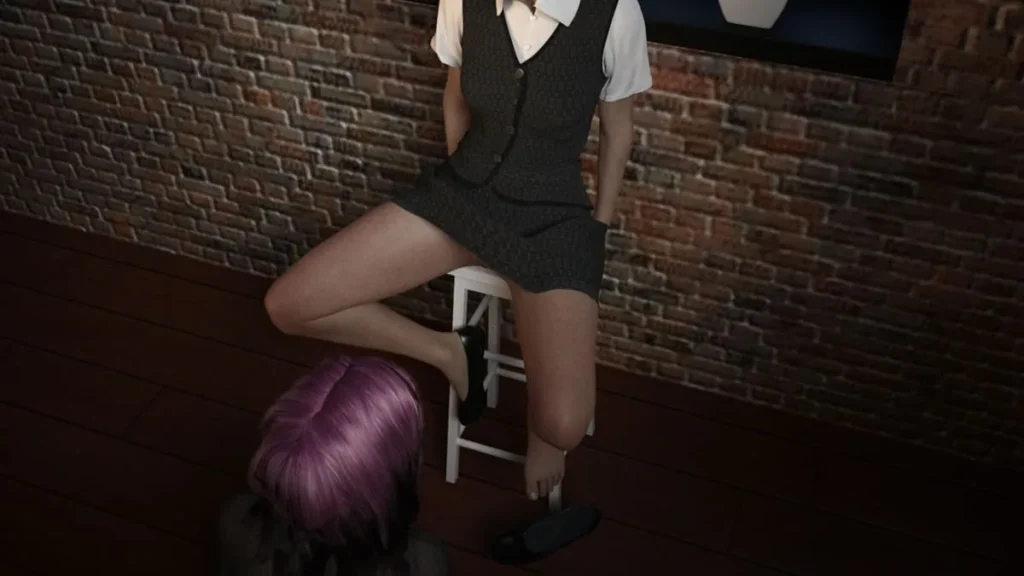
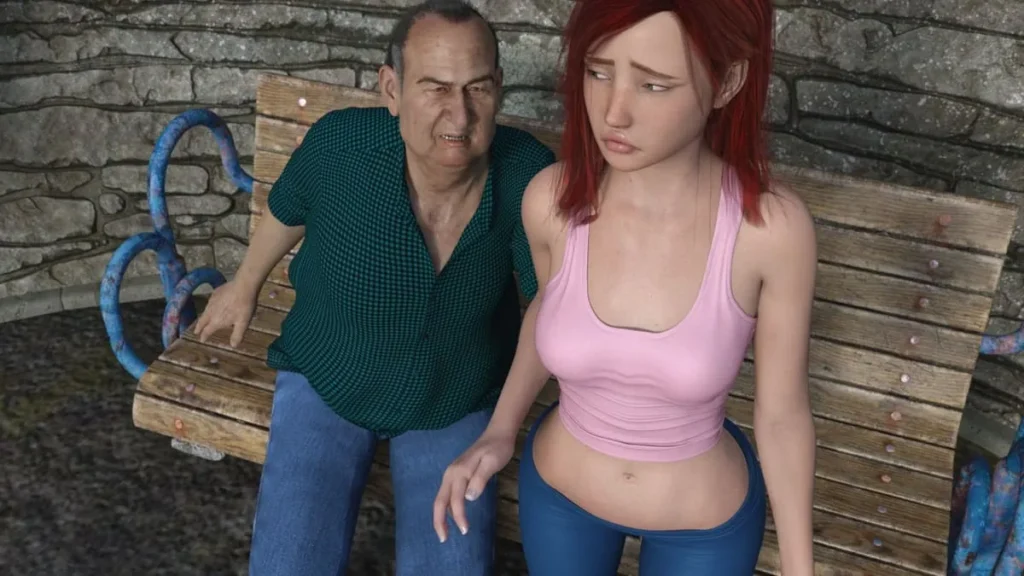
The Theater of Sinners review
Exploring the narrative complexity, character development, and decision-driven gameplay of this adult psychological fantasy experience
The Theater of Sinners stands out as a decision-driven visual novel that prioritizes narrative depth and psychological complexity over traditional gameplay mechanics. Developed by JustXThings and currently in version 0.3 Alpha 1, this adult psychological fantasy horror experience immerses players in a morally ambiguous world where choices carry real consequences. The game follows multiple protagonists navigating themes of corruption, humiliation, and redemption within an intricate, non-linear storyline. Whether you’re drawn to character-driven narratives, branching story paths, or exploring complex psychological themes, understanding what makes this visual novel unique can help you decide if it’s the right experience for you.
Understanding The Theater of Sinners: Core Concept and Setting
What Is The Theater of Sinners?
Let’s cut through the noise. You’ve probably seen a hundred visual novels promising deep stories and meaningful choices. Most leave you clicking through endless dialogue with a single, obvious “good” ending. The Theater of Sinners is not that game. 🎭
At its heart, The Theater of Sinners is a psychological fantasy horror story built on the Ren’Py engine. But calling it just a Ren’Py adult game feels like calling a symphony a collection of noises—it misses the point entirely. This is a narrative experiment, a playground for consequence. The developer didn’t just want to tell you a story; they wanted you to build it, fracture it, and sometimes, destroy it. They’ve described the creation process itself as a fundamental storytelling act, no different from drawing a picture or writing a book. This philosophy bleeds into every pixel and line of code.
Think of it as an intricate, gothic tapestry where you hold several of the threads. You follow four disparate protagonists—each with their own scars, desires, and secrets—whose stories are interleaved. You don’t play their lives in a straight line. Instead, you jump between their narratives, and your decisions in one tale can subtly (or not-so-subtly) warp the reality of another. It’s this branching storyline visual novel structure that creates a uniquely personal sense of dread and discovery. You’re not just reading a book; you’re conducting an orchestra of fates, and you’re never quite sure if the next note will be a whimper or a scream.
I remember my first blind playthrough vividly. I walked in thinking I’d be a neutral observer, a ghost in the machine. Early on, I encountered a character radiating a dangerous, magnetic energy. A dialogue option appeared, something that felt more like playful flirting than a pact. I clicked it, thinking, “How bad could it be?” 🤷♂️
That choice wasn’t just a dialogue branch. It was a pledge. It silently locked me into a path of escalating allegiance, offended potential allies who witnessed the interaction, and set an irreversible chain of events into motion. By the time I realized the weight of that single, casual click, I was in too deep. The game doesn’t highlight your fateful choices in red. It trusts you to live with them, and that is its most powerful and terrifying feature.
The Grand Théâtre des Ombres: A World of Secrets and Power
If the characters are the threads, then the Grand Théâtre des Ombres setting is the looming, ornate loom upon which they are woven. This “Grand Theater of Shadows” is far more than a spooky backdrop; it’s a character in itself, an active, breathing entity of secrets and power.
Imagine a place that exists in the liminal space between reality and fantasy, accessible only to society’s most privileged and most depraved. 💎✨ This clandestine arena is where the wealthy, the powerful, and the utterly bored come to settle scores and enact their darkest, most elaborate fantasies through grotesque and beautiful performances. It’s a court where influence is currency, humiliation is sport, and your deepest self is the price of admission.
The genius of this setting within The Theater of Sinners visual novel is how it functions as the perfect narrative device. The theater legitimizes the madness. The supernatural horrors, the psychological torture, the erotic tensions—they aren’t random. They are staged, paid for, and applauded. This framework allows the game to explore its psychological fantasy horror story elements without apology, creating a consistent internal logic where anything can happen, so long as it entertains the unseen audience.
As a player, you quickly understand that you are not just guiding characters through this theater; you are participating in its machinery. You are the playwright drafting their torment, the director framing their downfall, and, at times, you feel like an unwilling actor thrust onto the stage, forced to perform by the choices you made in the wings. The opulent, shadow-drenched aesthetics of the Grand Théâtre des Ombres constantly remind you: every whisper here is part of a script, and you are writing it in real-time.
Narrative Structure and Decision-Based Gameplay
This brings us to the engine of the experience: the decision-based gameplay mechanics. Forget paragon/renegade meters or clearly signposted “THIS ACTION WILL HAVE CONSEQUENCES” warnings. The Theater of Sinners operates on a more organic and ruthless system.
The narrative is non-linear. You can approach the four interleaved stories in almost any order you wish. This isn’t just a gimmick; it’s fundamental to the consequence-driven narrative choices. Playing “Event B” before “Event A” can completely change your context, making a character seem like a victim in one timeline and a manipulator in another. Furthermore, your choices persistently raise (or lower) hidden character statistics—traits like “Cunning,” “Empathy,” or “Will.” These stats don’t sit idly on a menu; they actively influence which options become available in subsequent events, even in other characters’ storylines.
Let me break down how these choices typically work, because understanding this is key to surviving the theater:
| Choice Type | How It Manifests | Player Impact |
|---|---|---|
| The Obvious Crossroad | A clear, momentous decision (e.g., “Intervene” vs. “Walk Away”). | Often creates a major branch, locking out entire plotlines or character arcs. The consequence is immediate and visible. |
| The Subtle Seed | A seemingly innocuous comment, a minor lie, or a fleeting expression of trust. | Quietly alters a character’s stat. This stat change may unlock or lock a critical, life-saving option hours later in a completely different scene, with no obvious link back to your original sin. |
The game’s developer built this system to mimic how real life works: small, almost forgotten decisions often pave the path to our biggest moments. There is no “right” path, only different shades of consequence.
This design makes every playthrough a unique puzzle. You’re not just choosing what happens next; you’re building the personality of each protagonist through a thousand tiny nudges, which then determines what they are capable of when the true horrors emerge. One playthrough might see a character become a resilient survivor thanks to nurtured “Will,” while another might see them break instantly, leading to a shorter, more tragic tale.
The branching storyline visual novel structure means “completion” is a foreign concept. You might experience a brutal ending for one character in 30 minutes, while another path reveals layers of story that take hours to unfold. This isn’t a flaw; it’s the point. The theater offers many shows, and you decide which ones get a premiere and which end in opening-night disaster.
And here’s the beautiful part: this rich, complex psychological fantasy horror story is completely free. You can download it right now for Windows, macOS, and Linux and step into the shadows. Just remember, once the curtain rises in the Grand Théâtre des Ombres, there are no rehearsals. Every line you choose is final, every alliance is fraught, and the most terrifying monster in the play might be the reflection of the choices you made. The stage is set. Your pen is in hand. What story will you tell? 🖋️🔥
The Theater of Sinners represents a unique approach to adult visual novel storytelling, prioritizing psychological depth and narrative consequence over traditional gameplay mechanics. Through its decision-driven structure, complex character development, and exploration of morally ambiguous themes, the game creates an experience where your choices genuinely matter and shape the destinies of its protagonists. The blend of psychological horror elements, character-driven storytelling, and diverse content caters to players seeking meaningful interactive narratives with emotional weight. Whether you’re interested in exploring themes of corruption and redemption, experiencing branching storylines with real consequences, or engaging with complex character arcs, The Theater of Sinners offers a compelling experience that rewards careful decision-making and multiple playthroughs. If you’re drawn to narrative-focused games that challenge your moral judgments and feature well-developed characters, this psychological fantasy visual novel deserves your attention.