Play Treasure of Nadia
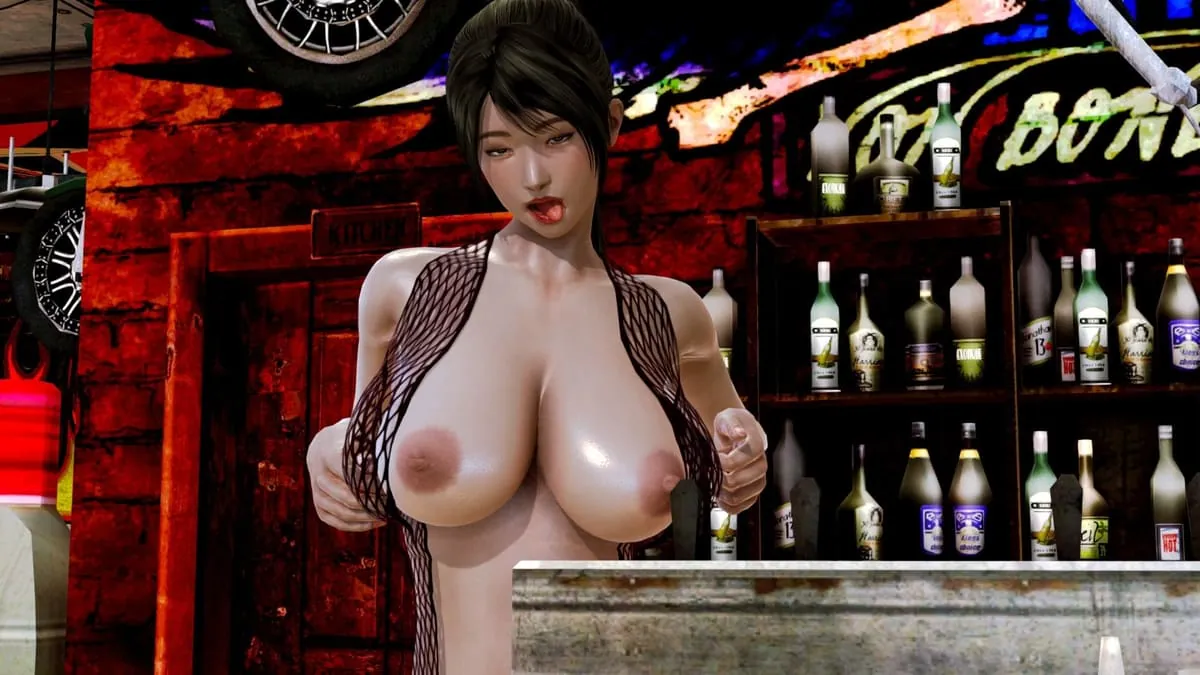
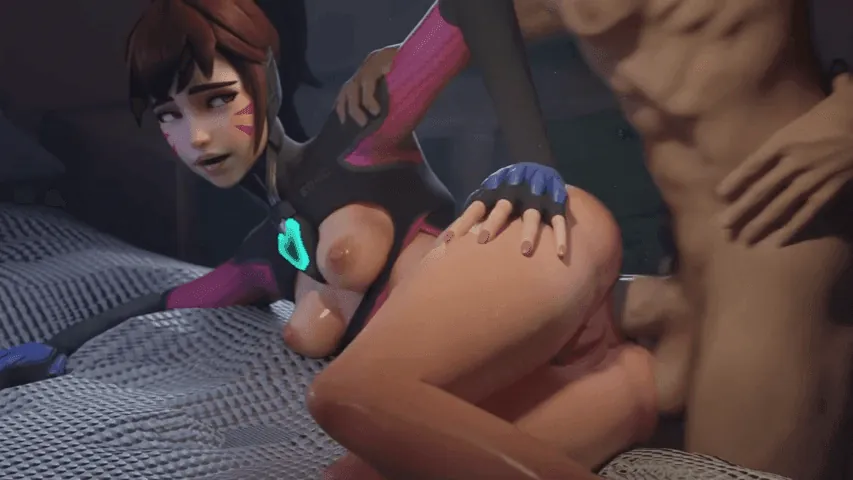
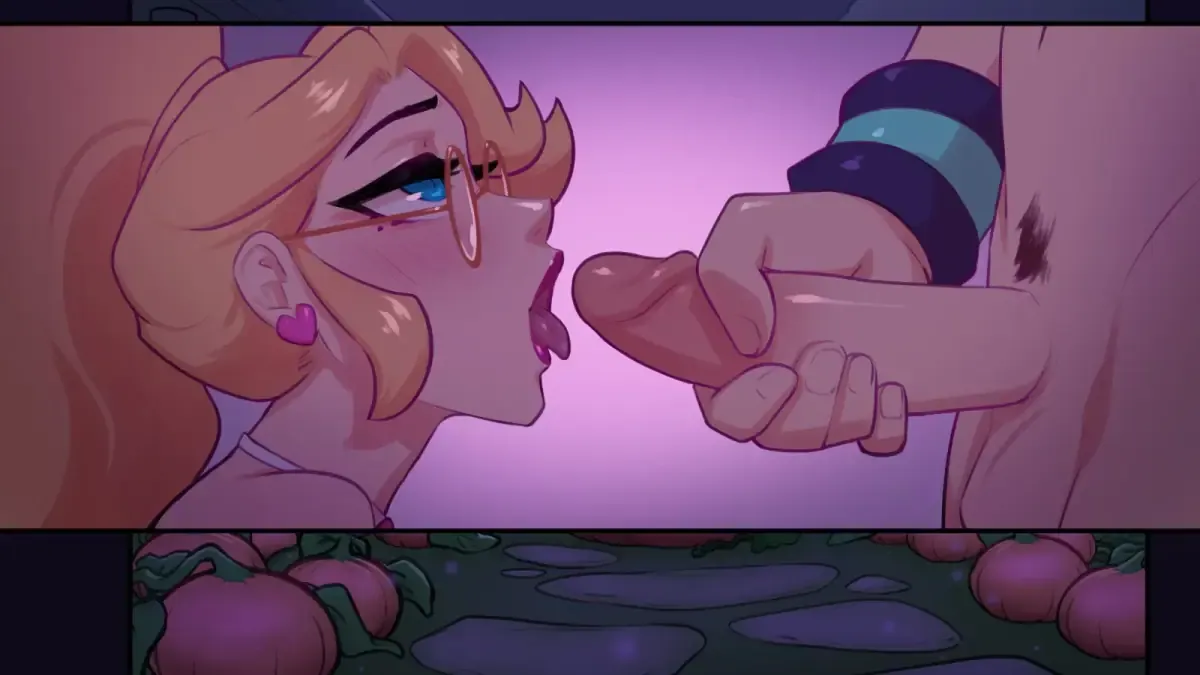
Treasure of Nadia Screenshots
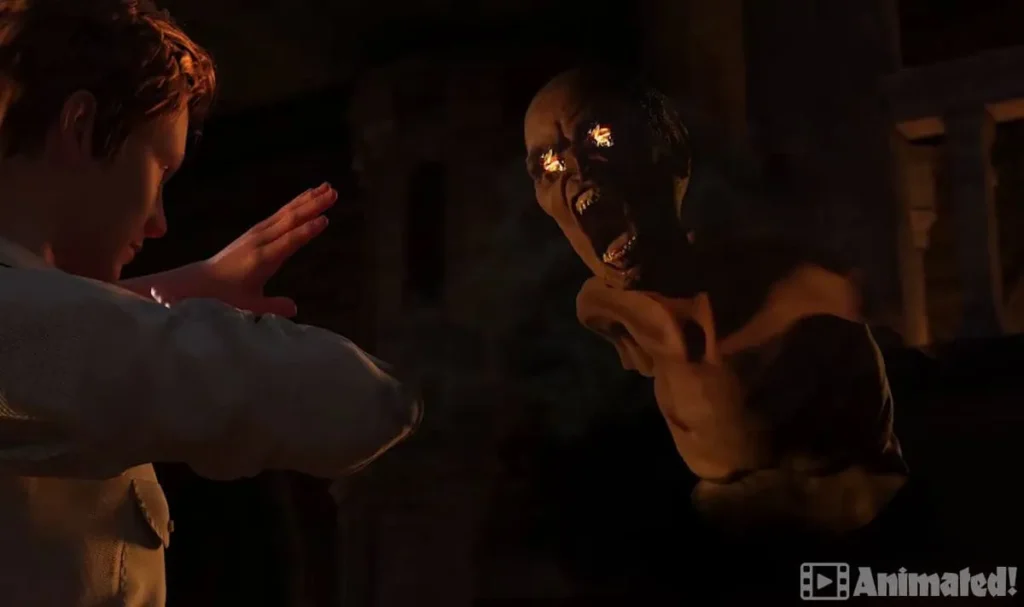

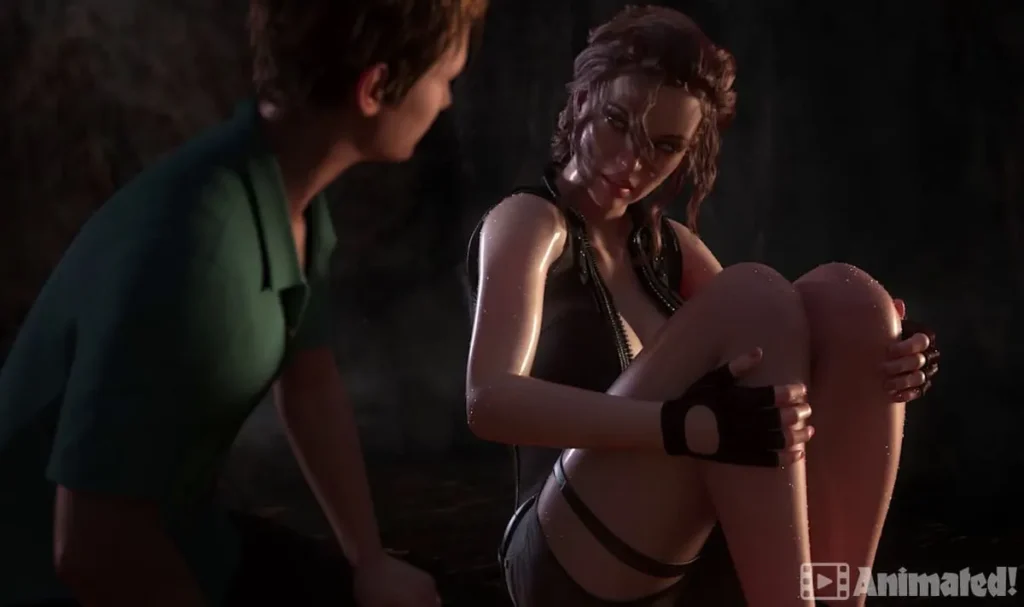

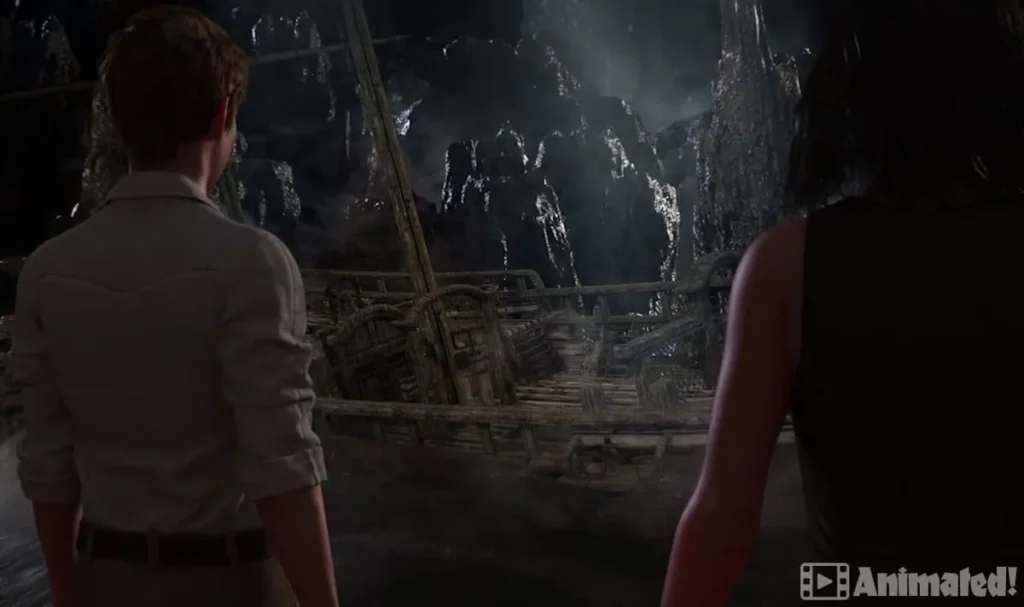
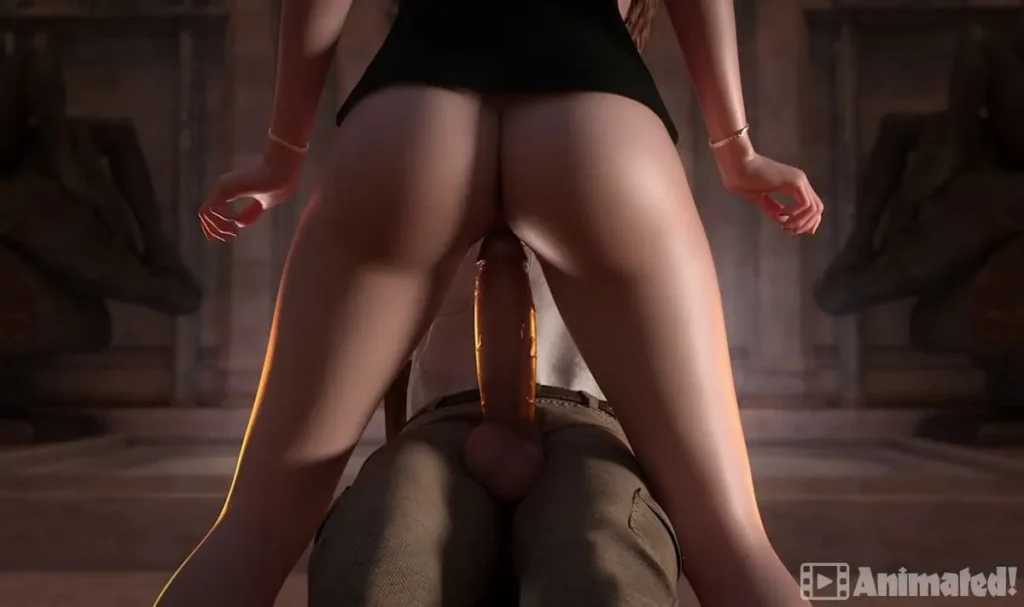
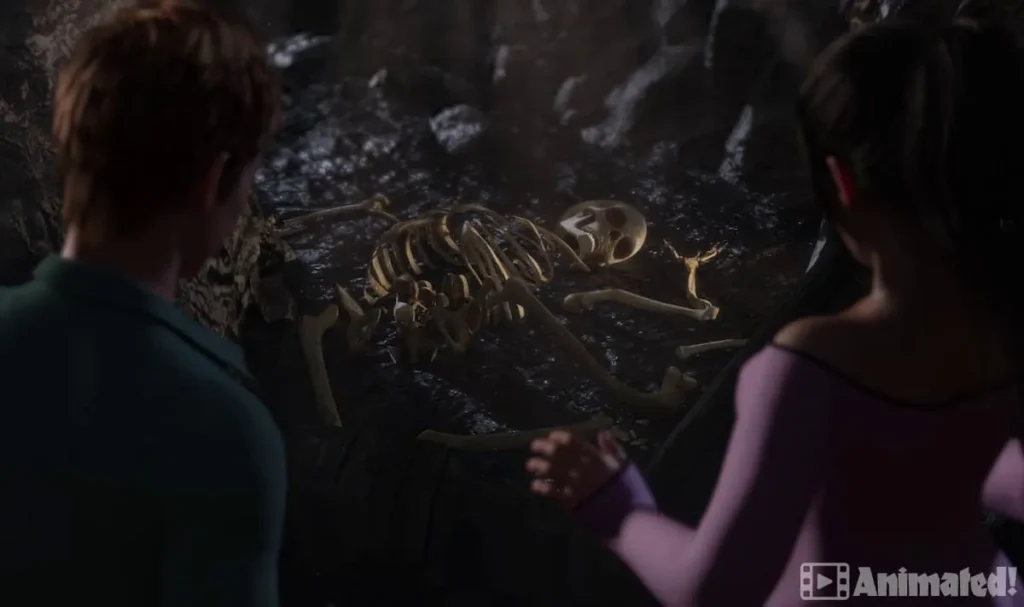


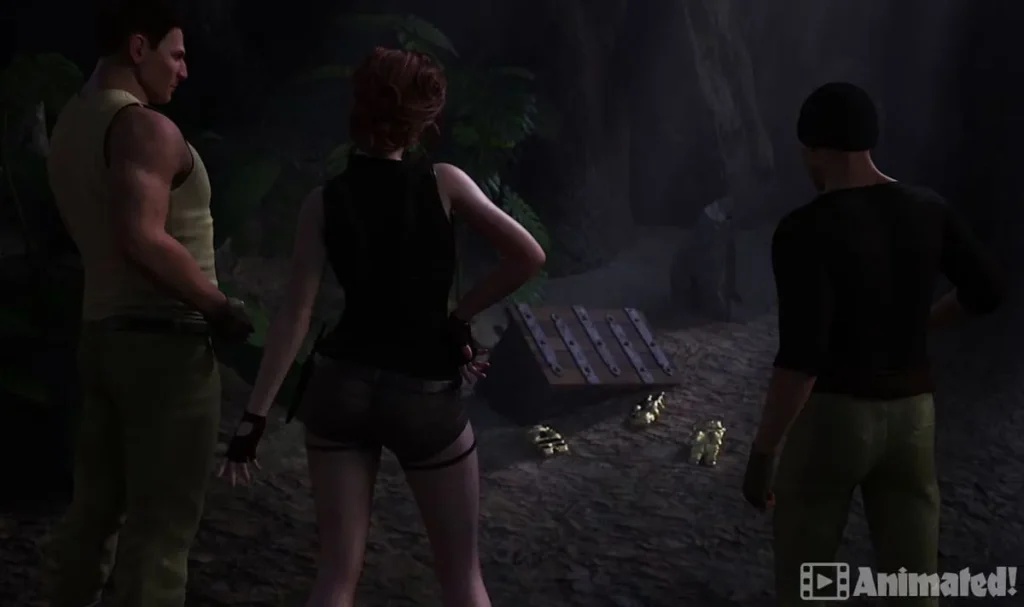





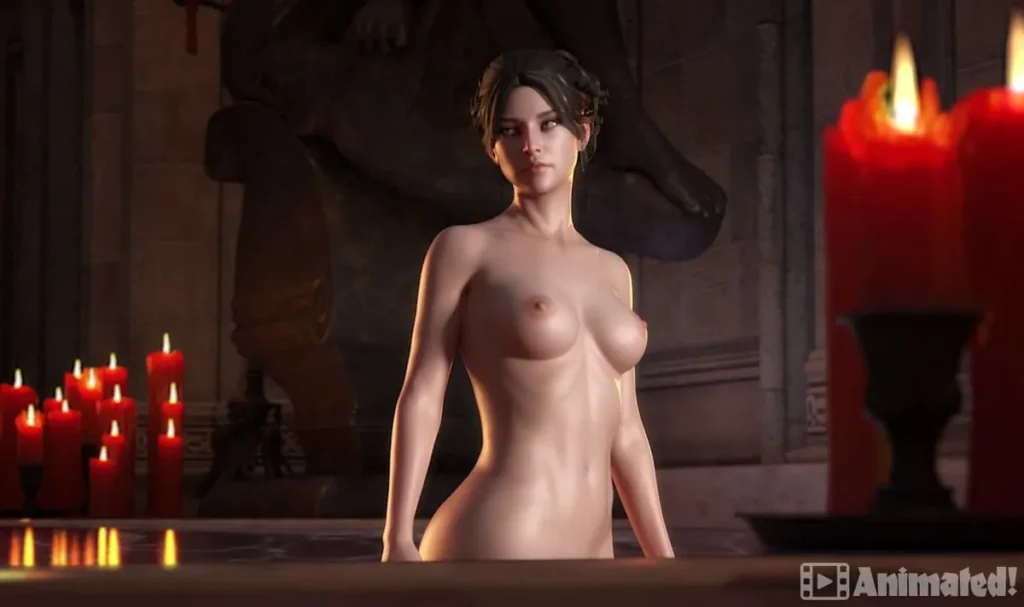
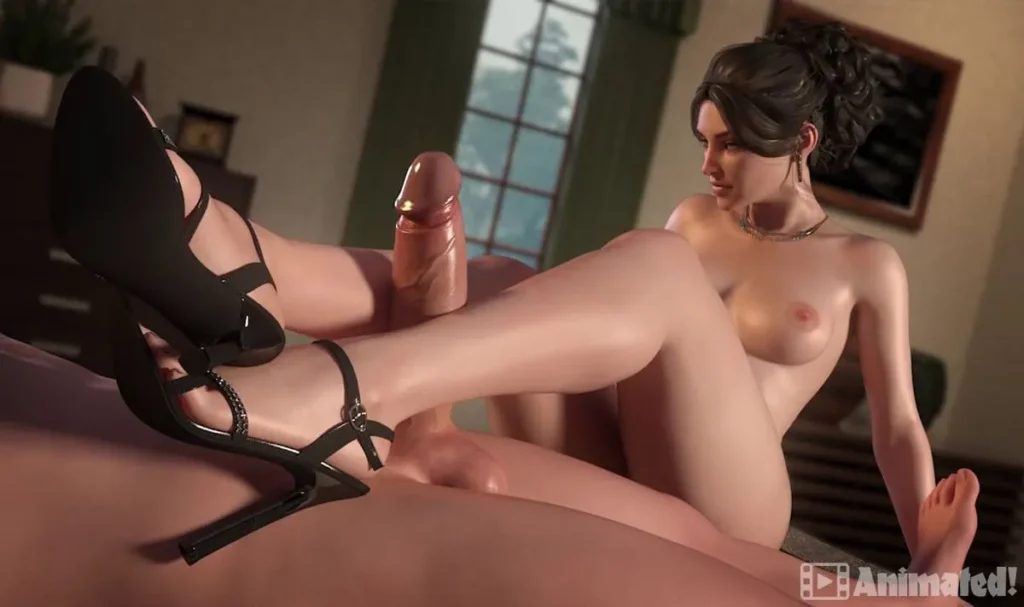

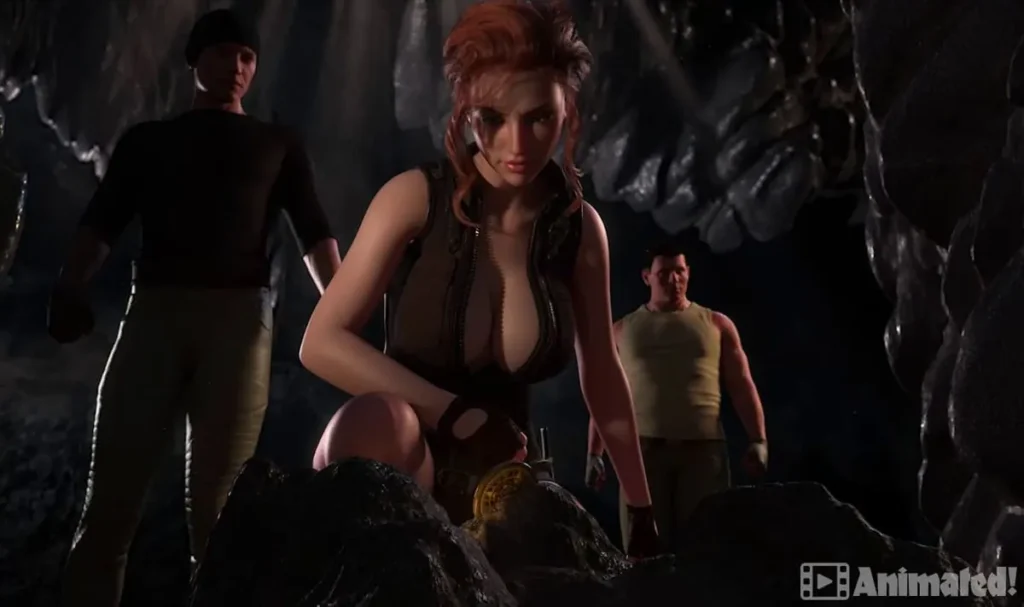
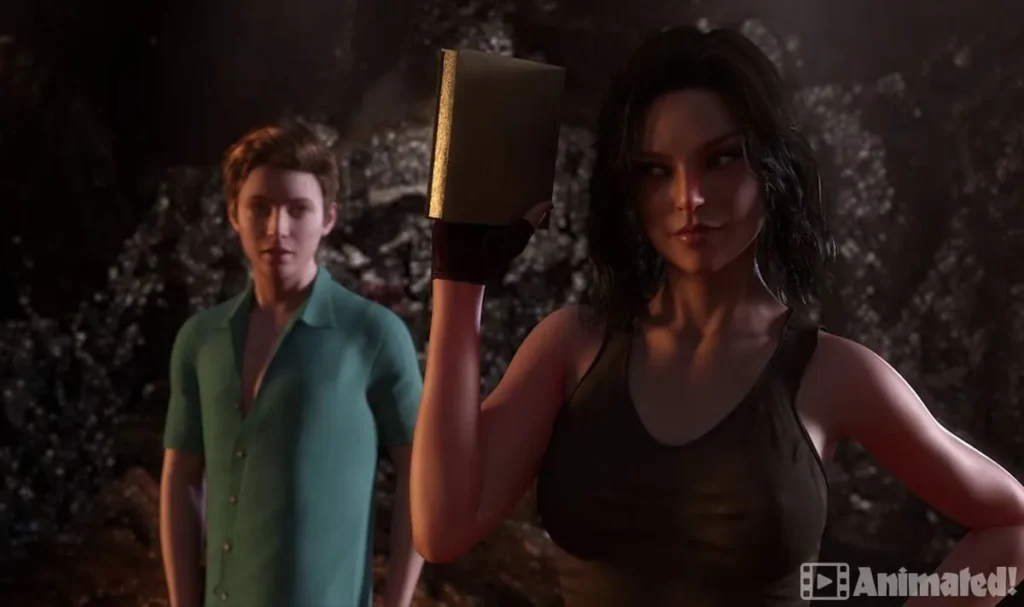
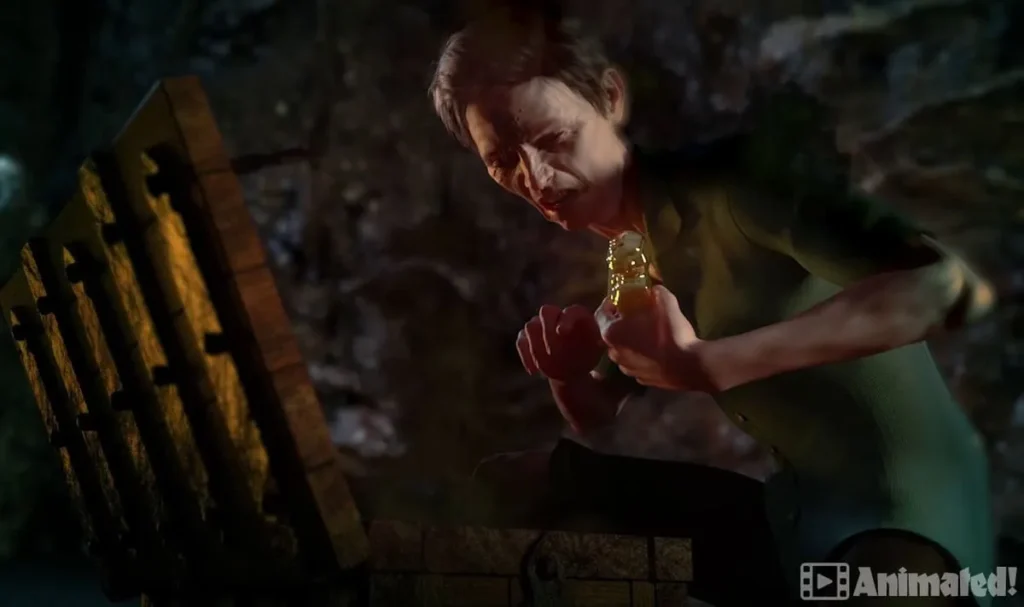

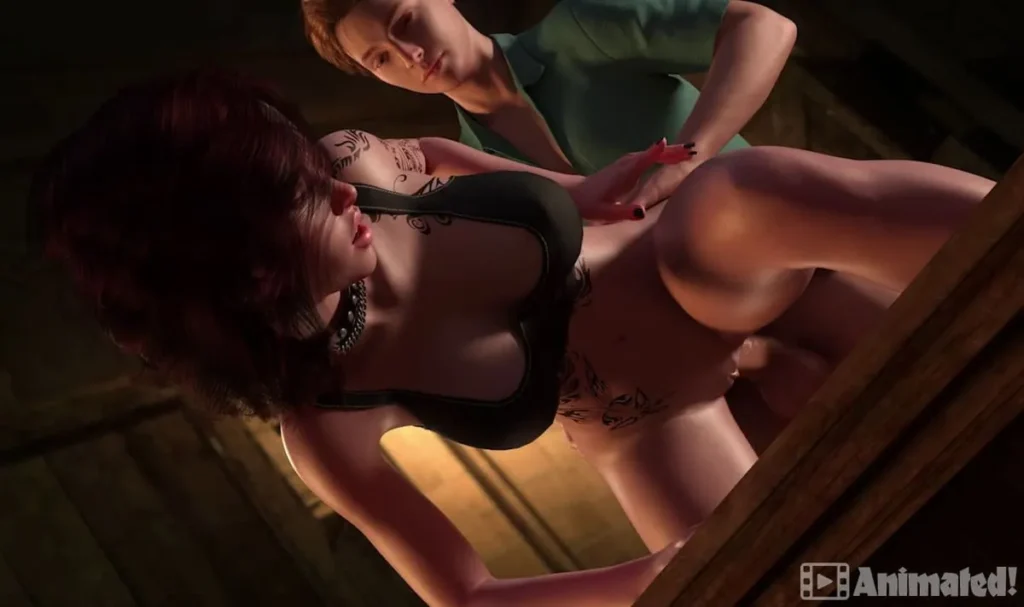


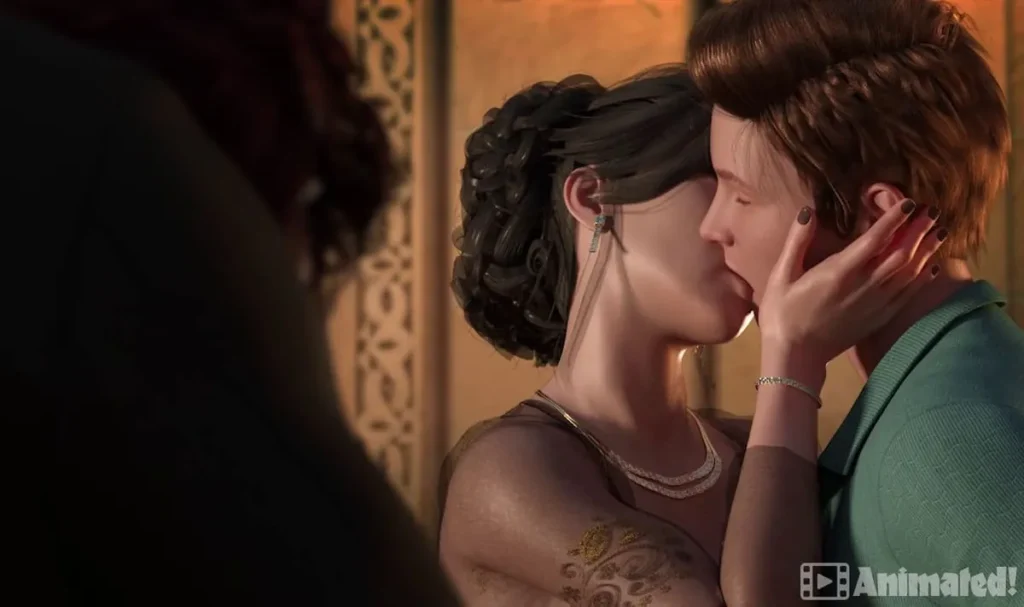
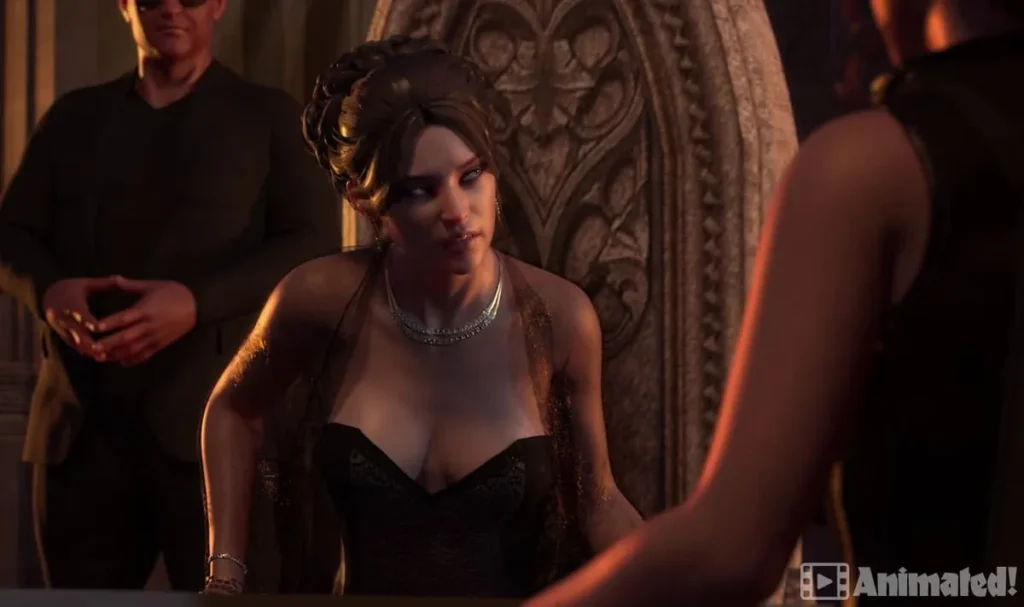
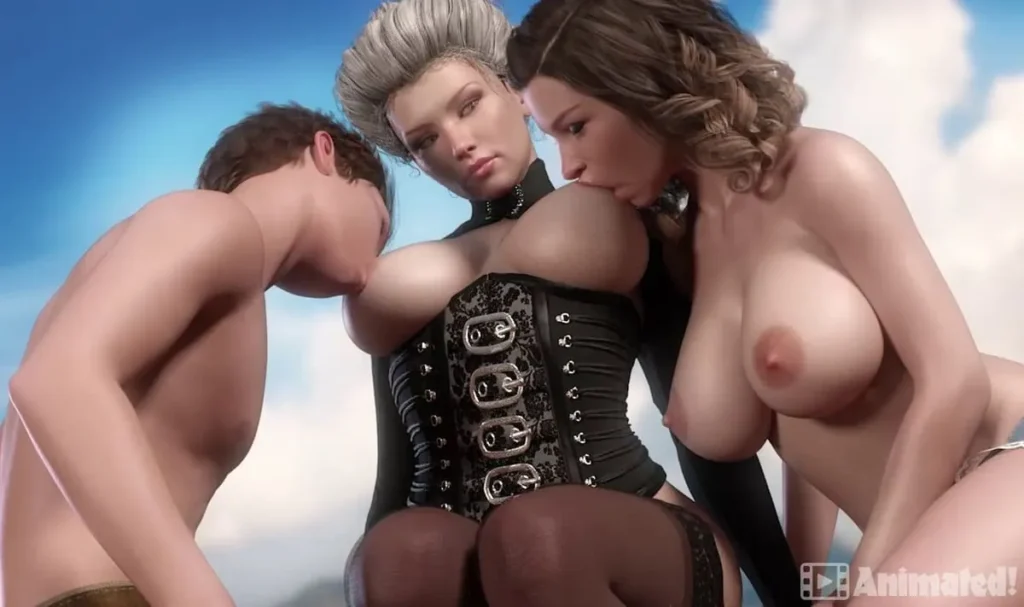
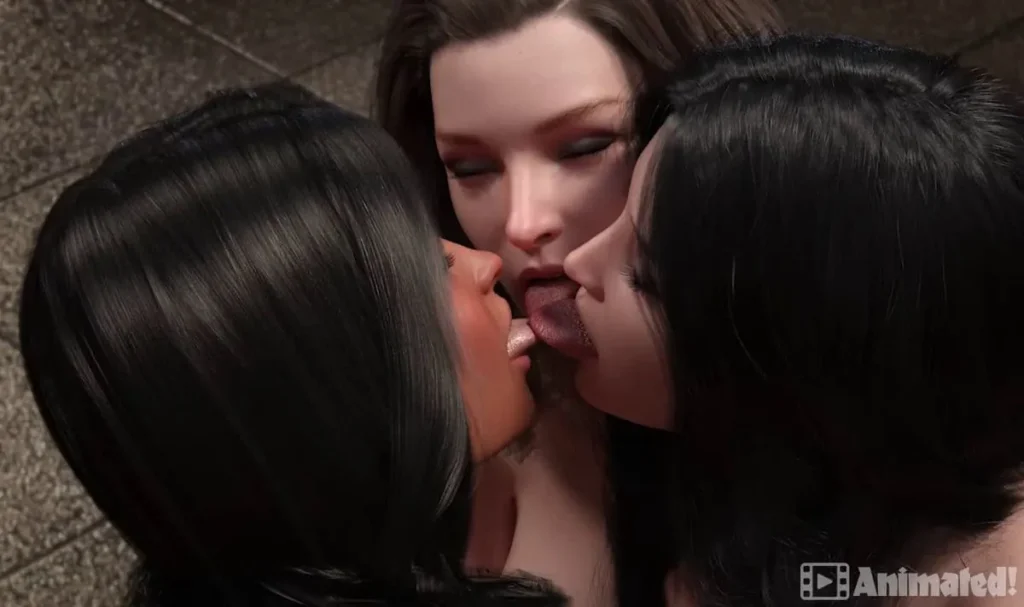

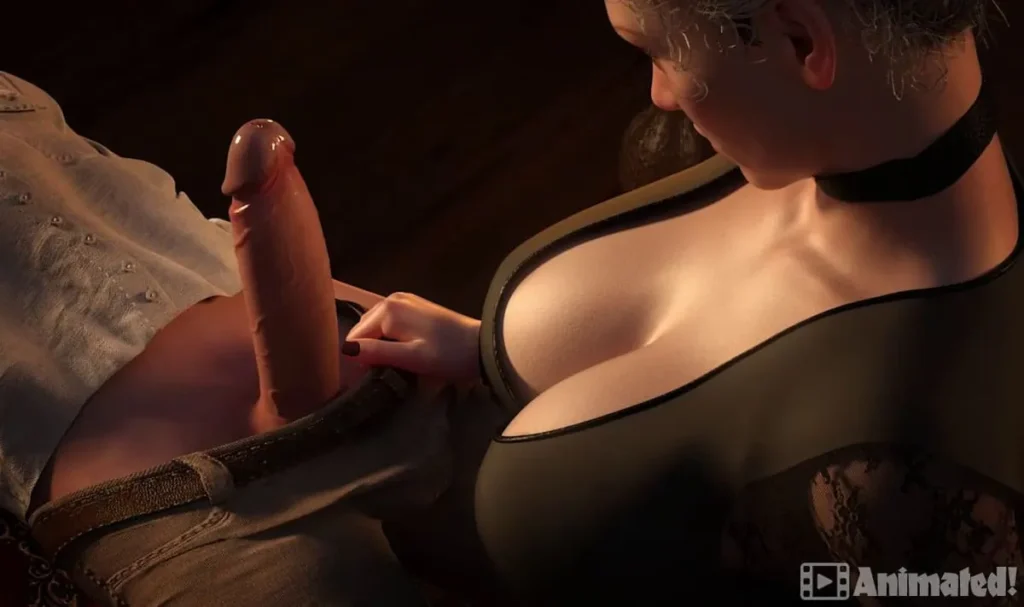
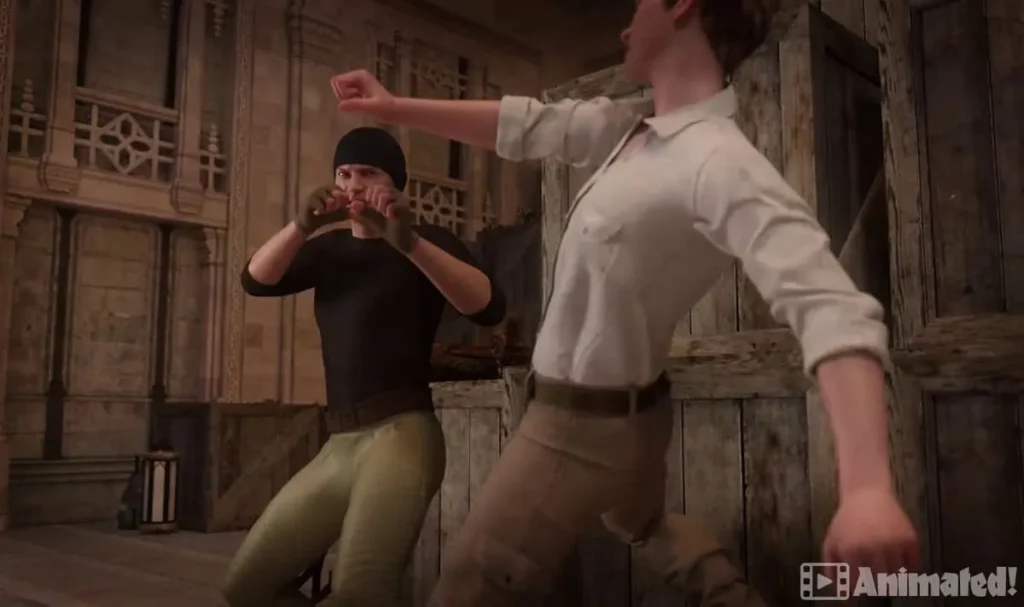



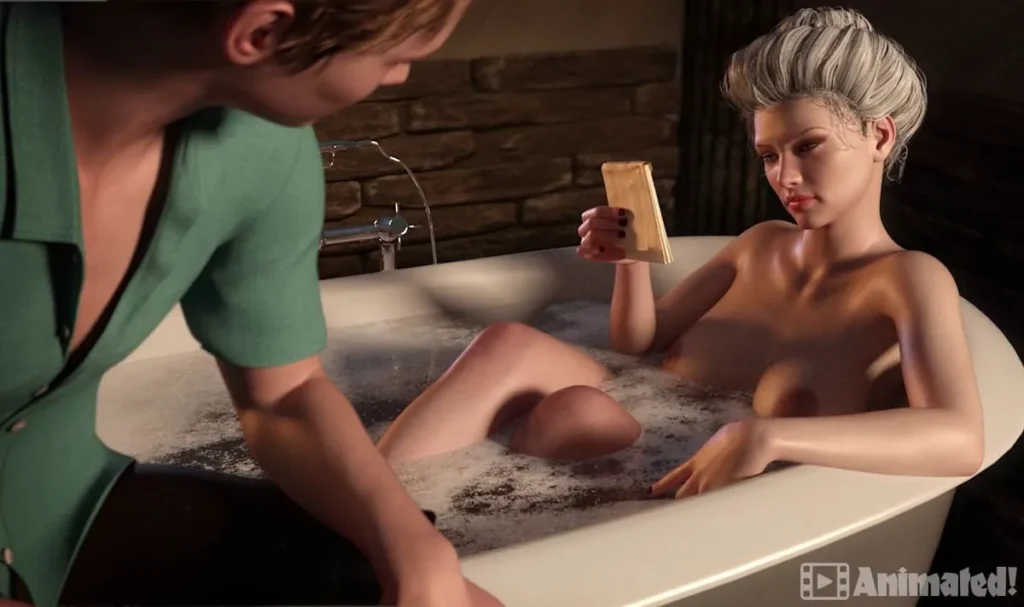
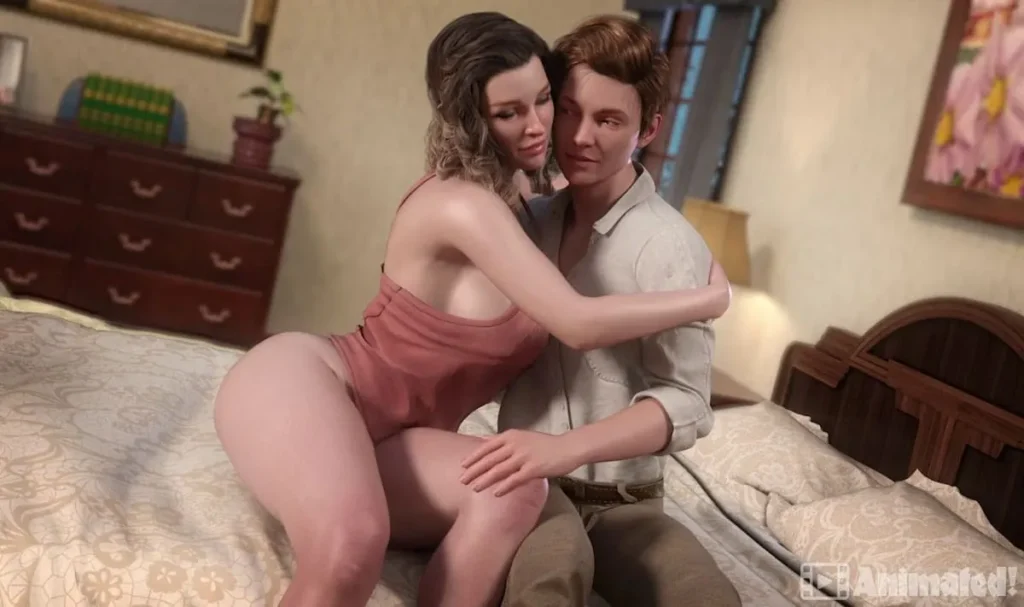
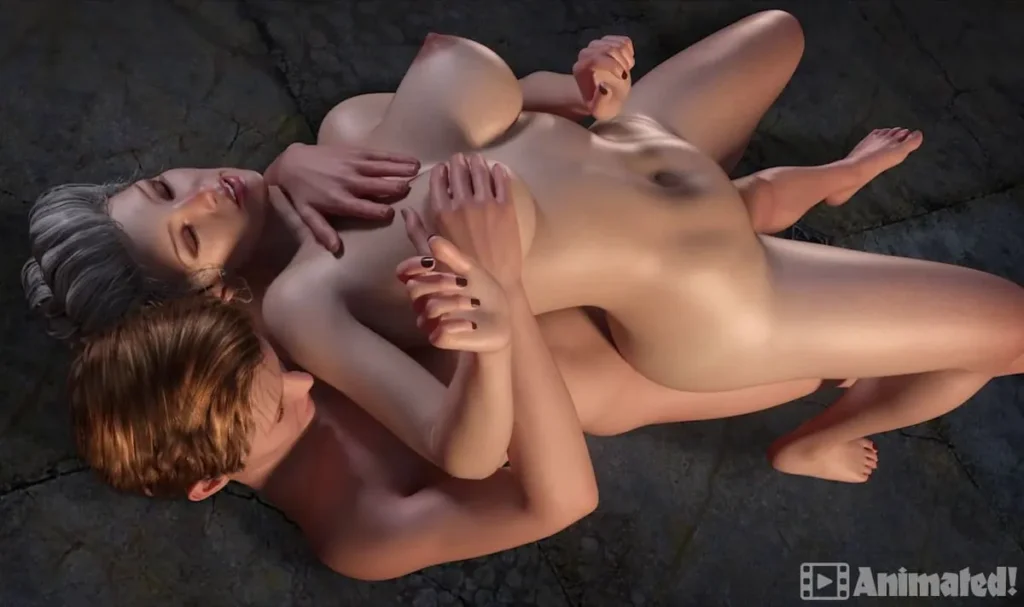


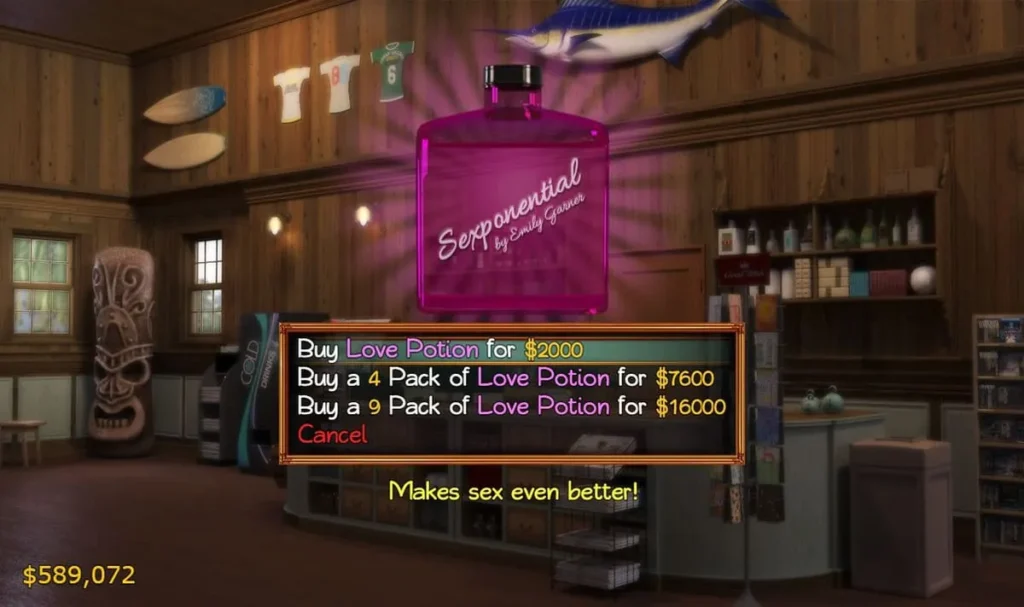
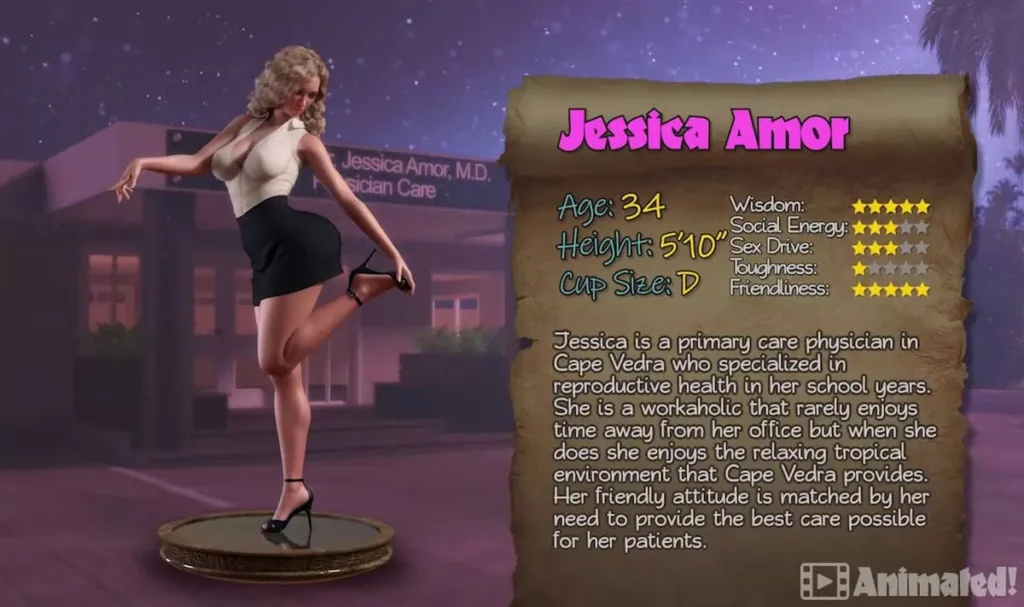

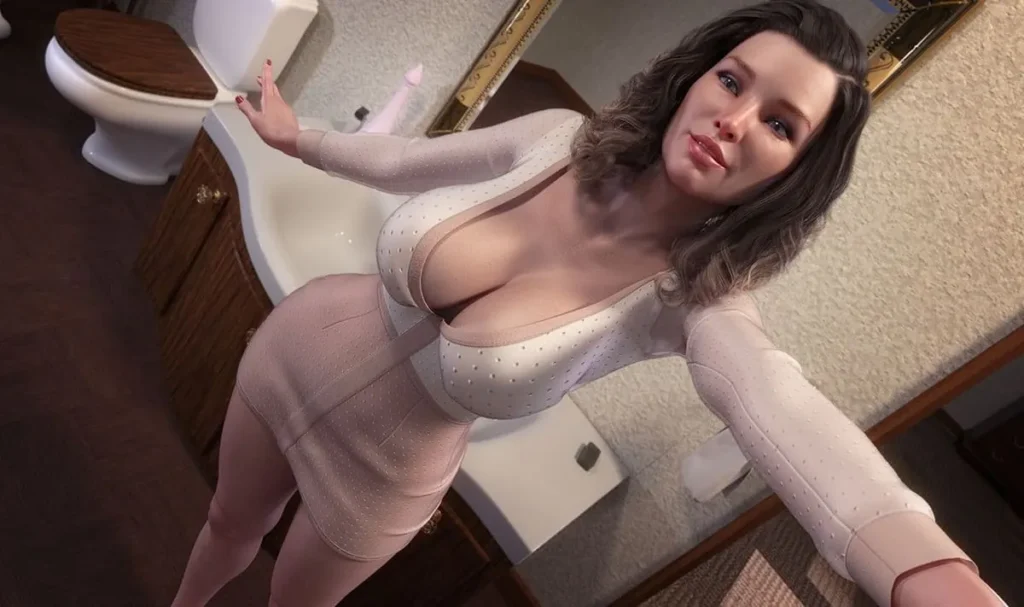


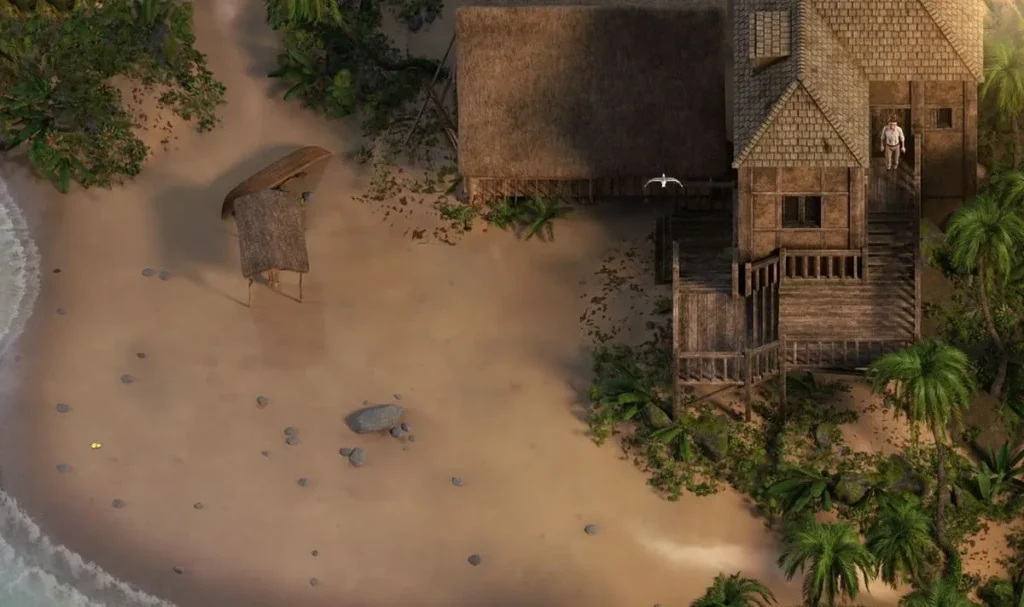
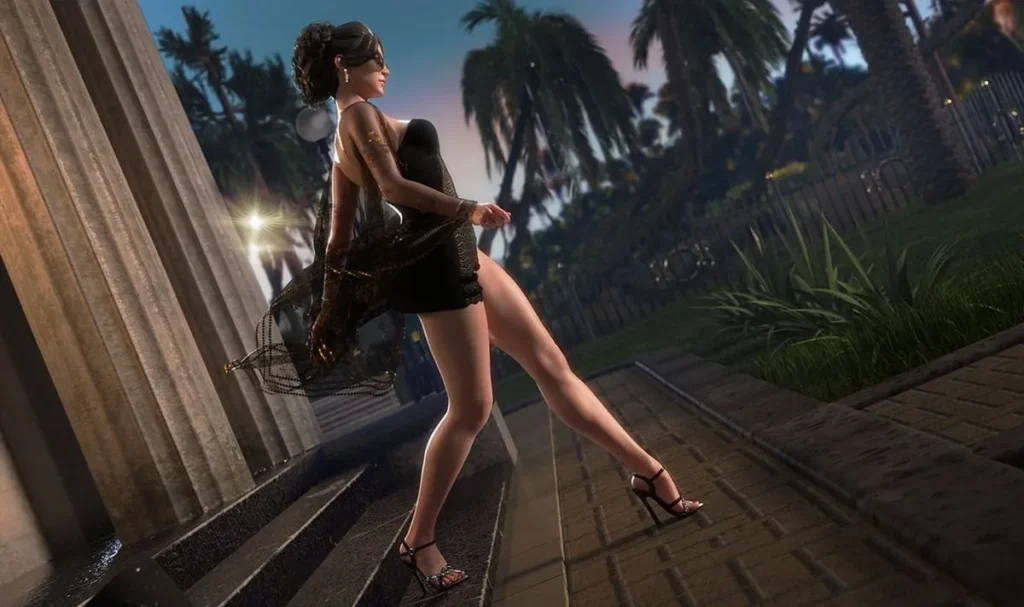
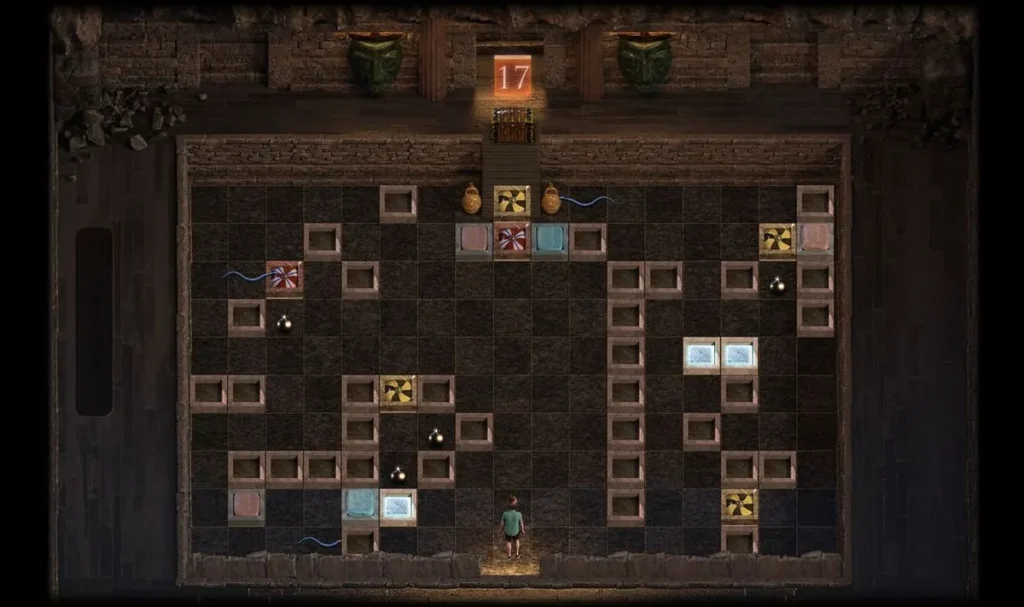

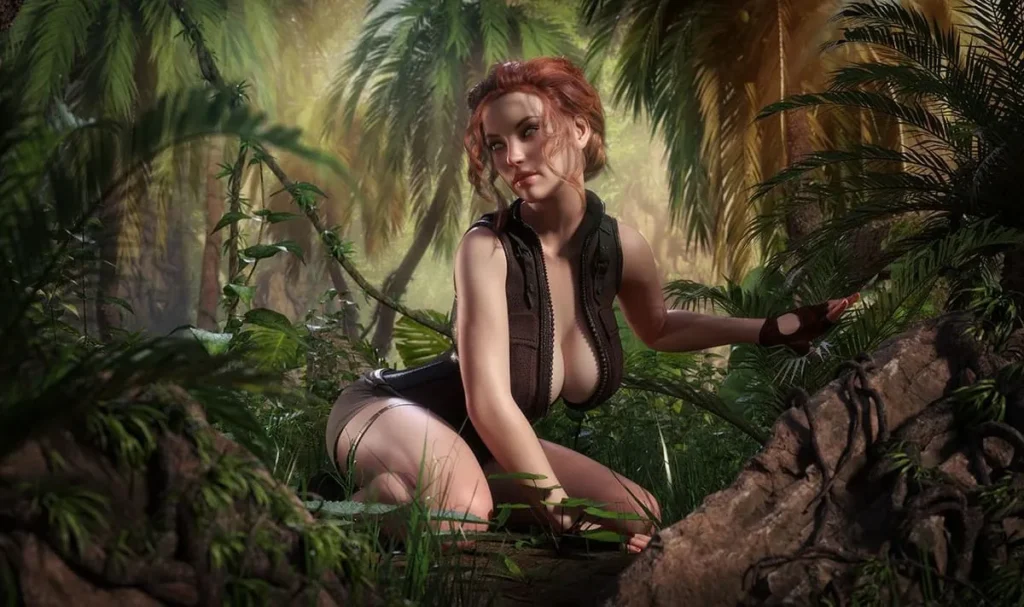
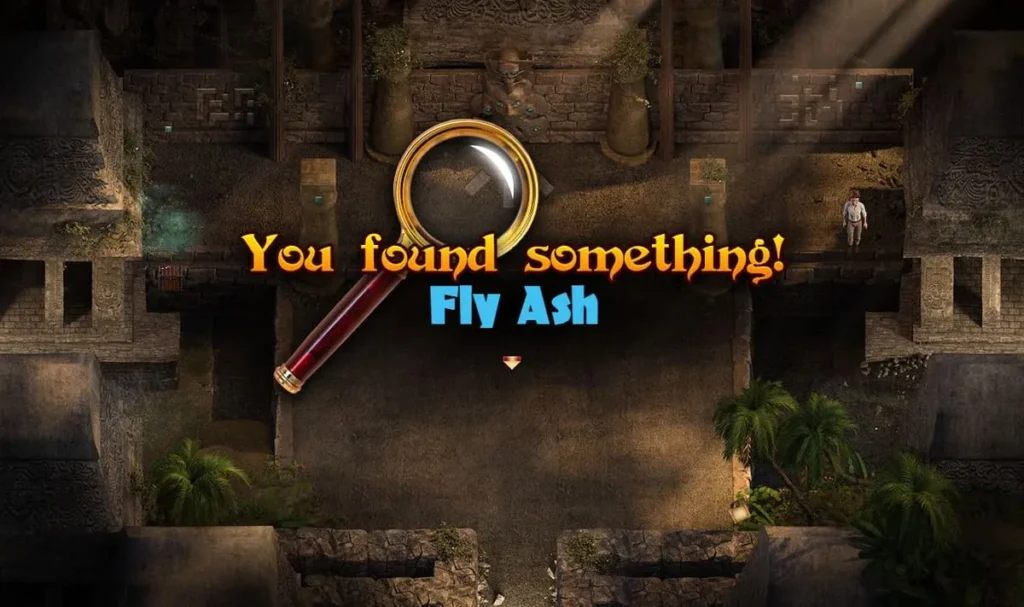
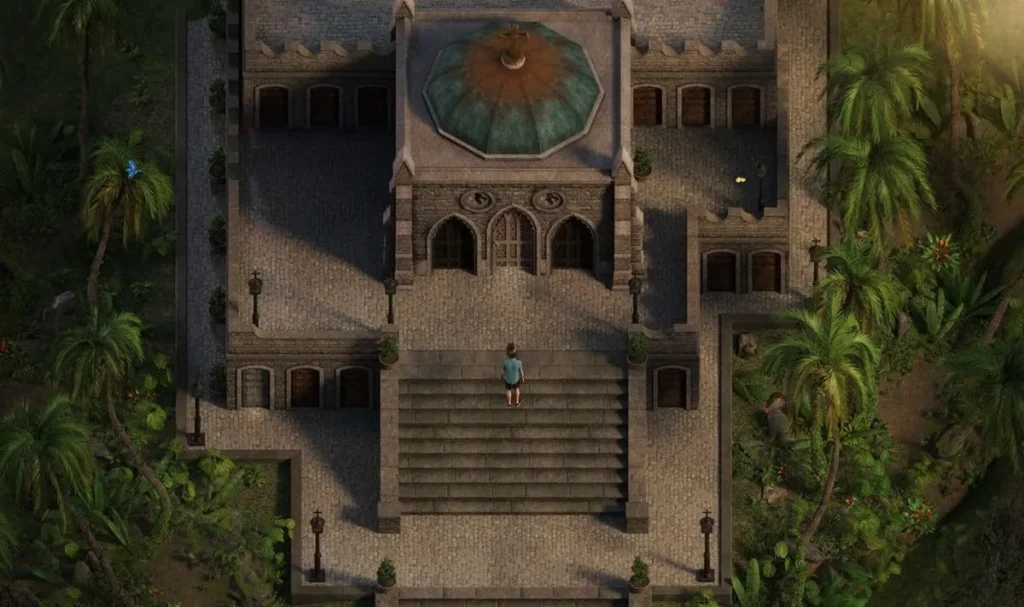
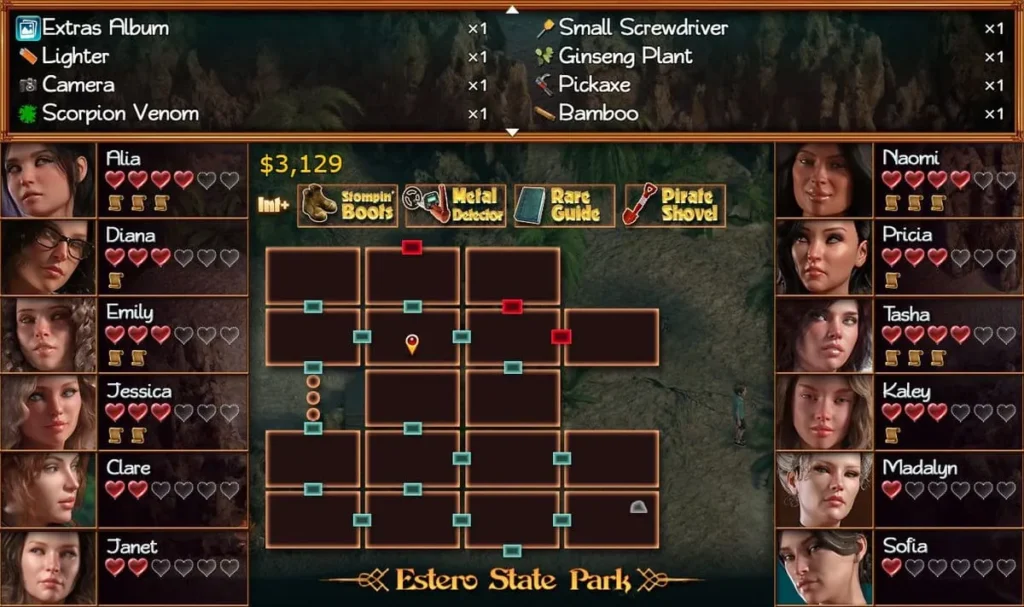
Treasure of Nadia review
A player-focused look at story, exploration, and adult content in Treasure of Nadia
Treasure of Nadia is a story-driven adventure that blends exploration, light role-playing elements, and explicit romantic content into a single cinematic experience. If you have seen screenshots or clips and wondered whether the game is more than just visual scenes, you are not alone. When I first tried Treasure of Nadia, I was surprised by how much classic treasure-hunt gameplay and puzzle-solving there was hiding beneath the adult surface. In this article, I will walk you through how the game works, what the story and characters offer, how the intimate content is integrated, and what kind of player is likely to enjoy it most.
What Is Treasure of Nadia and How Does It Play?
So you’ve heard the name Treasure of Nadia floating around, maybe seen a few enticing screenshots, and you’re wondering what all the buzz is about. Is it just another adult game, or is there something more to it? Let me pull up a virtual chair and tell you exactly what you’re getting into. 🏝️
This isn’t a game you can sum up in a single sentence. At its heart, Treasure of Nadia is a story-driven adventure that blends genuine exploration and light puzzle-solving with mature romantic storylines. It’s a complete package that feels more like a classic point-and-click adventure than a simple visual novel, and that’s its biggest strength.
Story and setting: a treasure hunt with adult twists
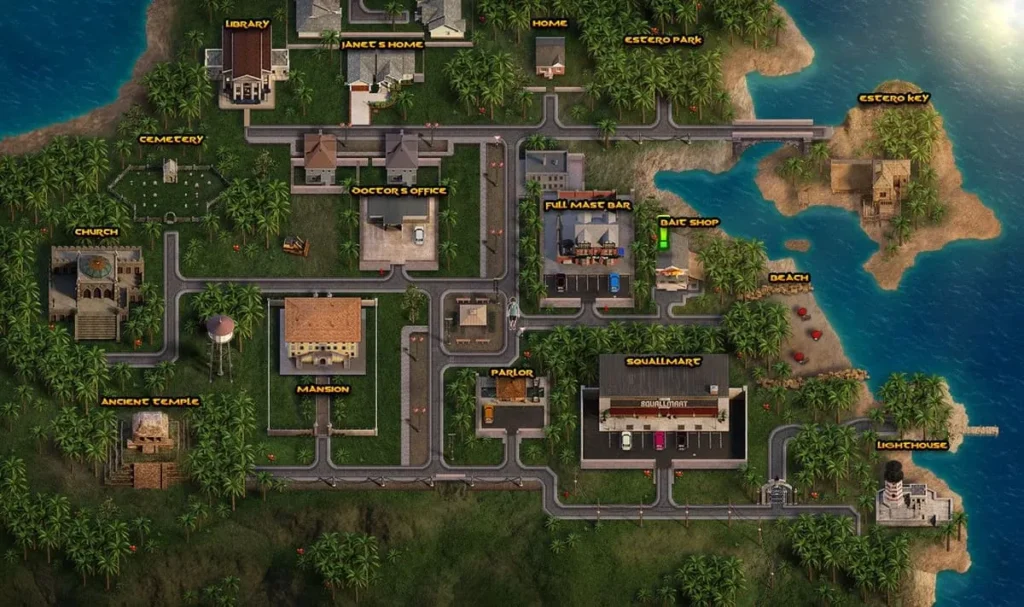
Picture this: you’re Nate, a young man who inherits his late father’s journal, filled with cryptic clues and wild tales of a legendary treasure hidden on the tropical island of Kalysia. Your adventure begins in the sleepy coastal town of Nalali, a place that serves as your home base between forays into ancient ruins, dense jungles, and mysterious caves. The Treasure of Nadia story immediately hooks you with that classic, pulpy “Indiana Jones” vibe—there’s history to uncover, traps to avoid, and priceless artifacts to find.
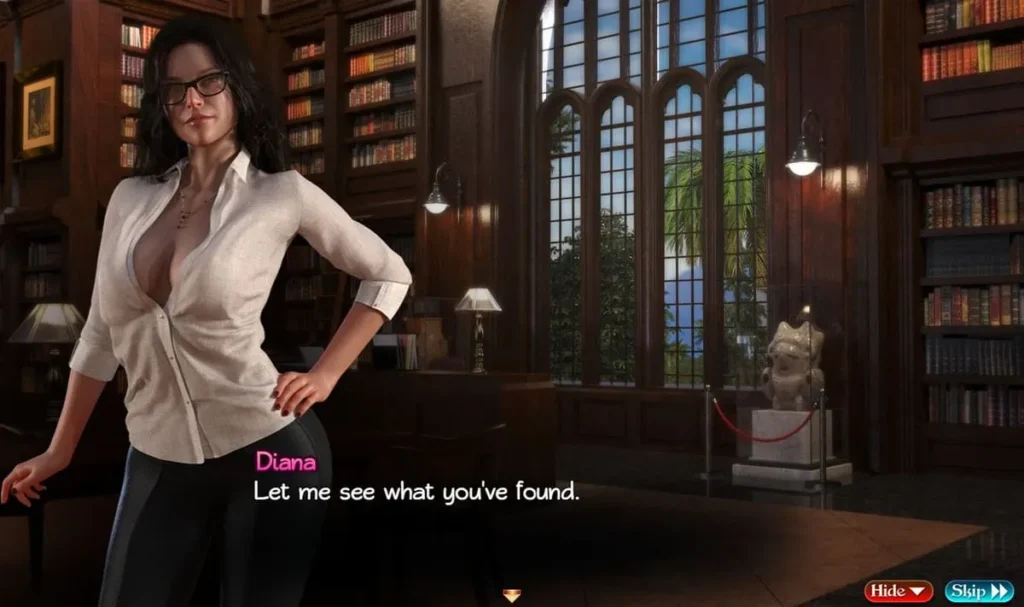
What sets the narrative apart is how it handles its mature content. This isn’t a game where romantic scenes feel like disconnected bonuses or random rewards. Instead, they are carefully woven into the character arcs and the main plot. As you help the various women you meet—from the ambitious archaeologist Diana to the friendly local shopkeeper Emily—you build genuine relationships. The intimate moments arise naturally from these growing connections and feel like earned milestones in the story, not just titillation. It makes the world and the characters feel more alive and invested.
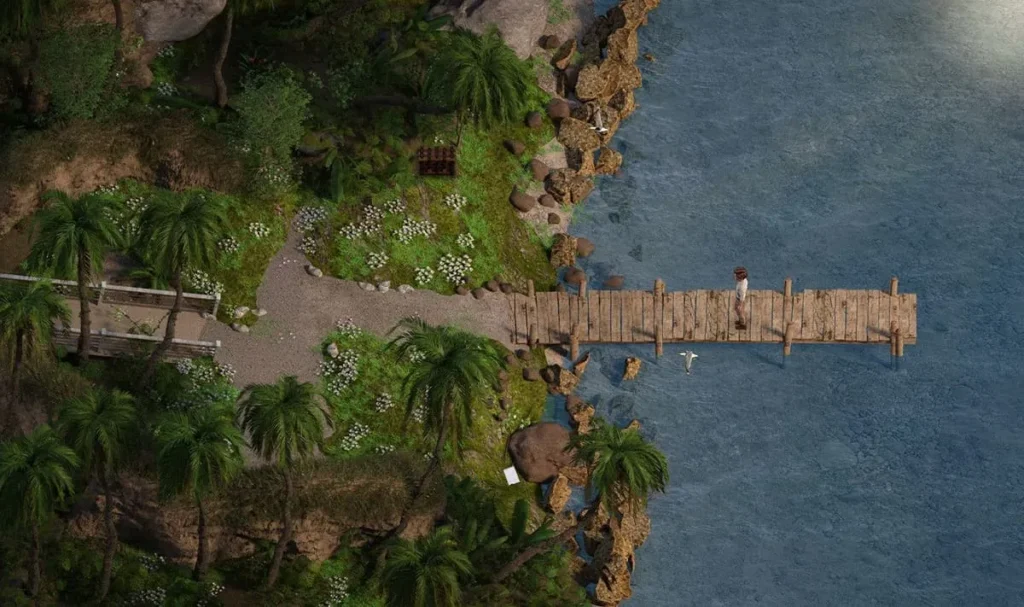
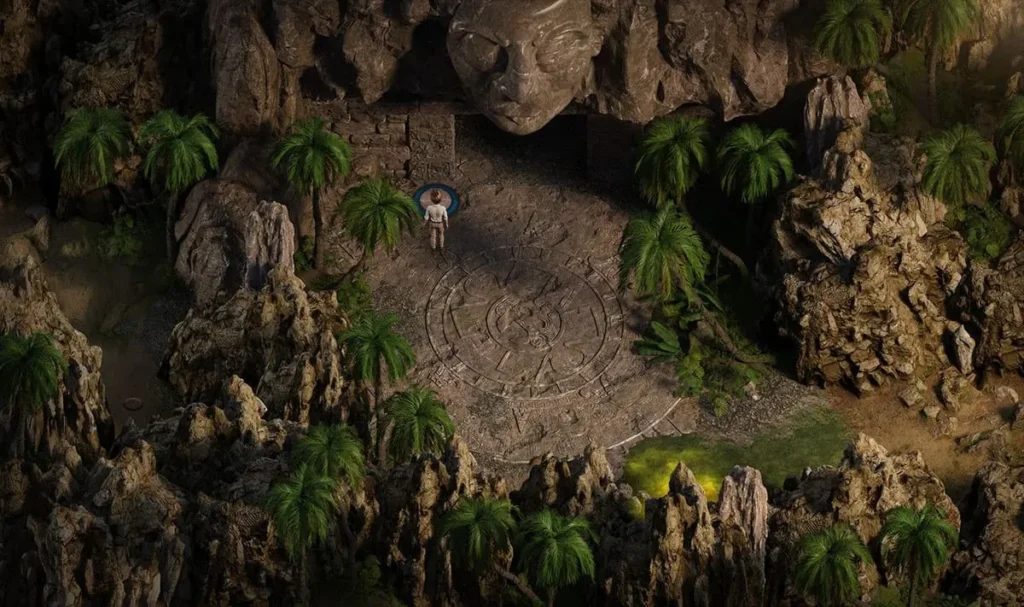
The tropical setting is a character itself, shifting from the familiar, modern locales of the town to the haunting, overgrown silence of ancient temples. One minute you’re chatting with folks at the beach bar, the next you’re deciphering stone tablets in a forgotten shrine. This contrast keeps the Treasure of Nadia game visually and thematically interesting.
A quick note for newcomers: there is a prequel called “The Genesis Order” set in the same universe, but you can absolutely jump straight into Treasure of Nadia without any prior knowledge. The story is completely self-contained, and you won’t feel lost. The game does a great job of introducing its own world and rules.
To summarize the core appeal right up front:
- A Continuous Story: A single, overarching treasure hunt narrative drives everything forward.
- Integrated Exploration: The tropical island is yours to explore, uncovering secrets at your own pace.
- Simple Crafting System: Combine found items to create tools and gifts essential for progression.
- Character-Driven Romance: Meaningful relationships that develop naturally through the story.
Core gameplay: exploration, puzzles, and progression
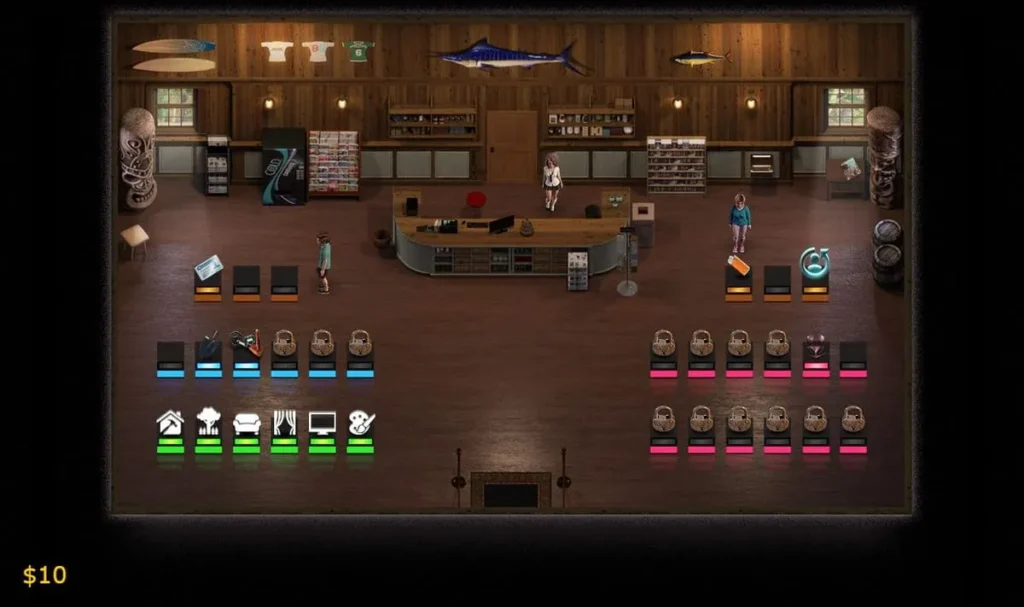
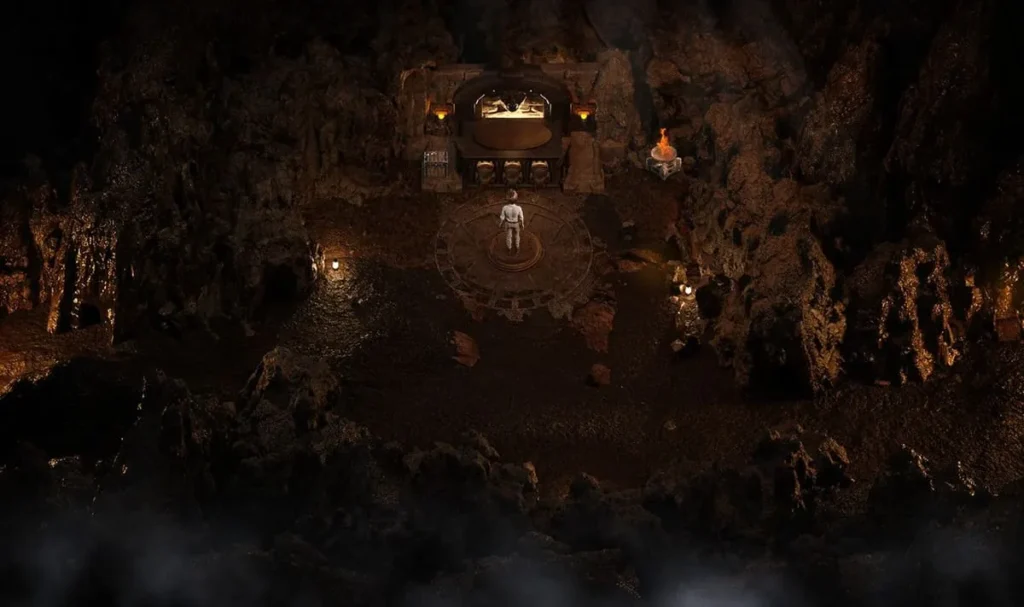
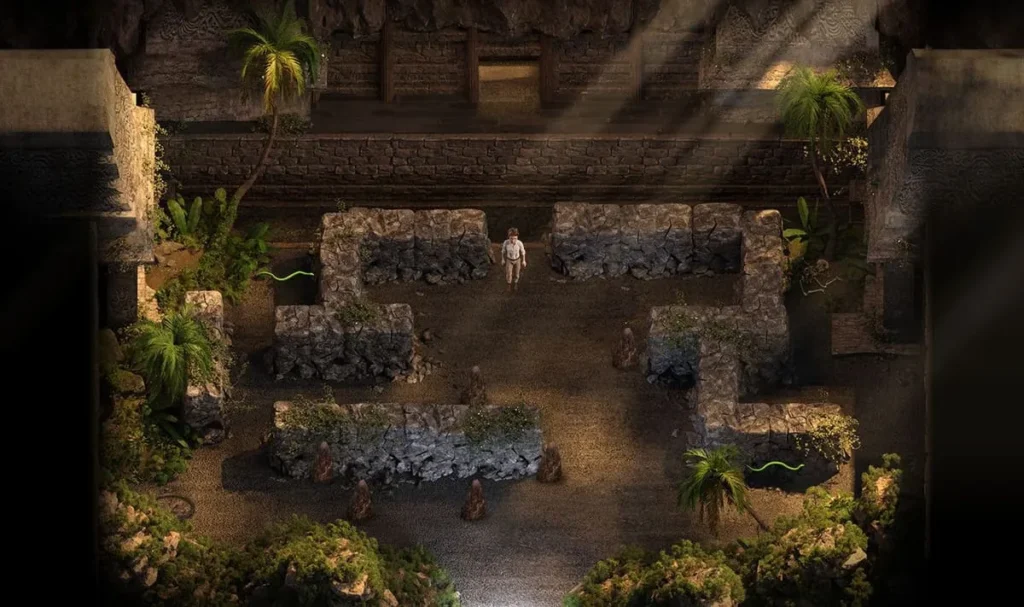
Now, let’s talk about what you’ll actually be doing. The Treasure of Nadia gameplay is built on a satisfying, if sometimes familiar, adventure game loop. You view the world from a fixed isometric perspective, clicking to move Nate around beautifully detailed environments.
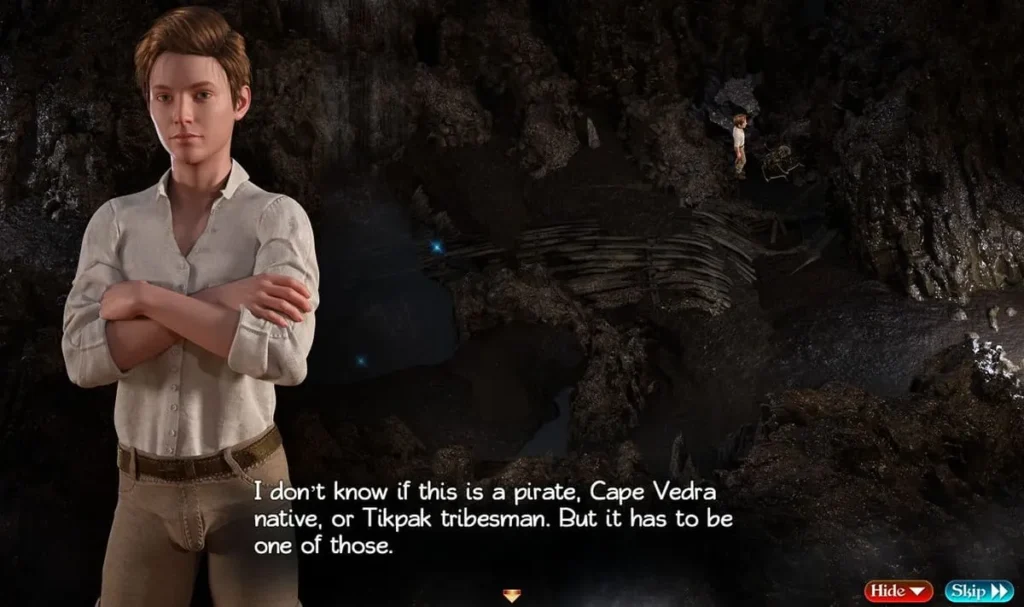
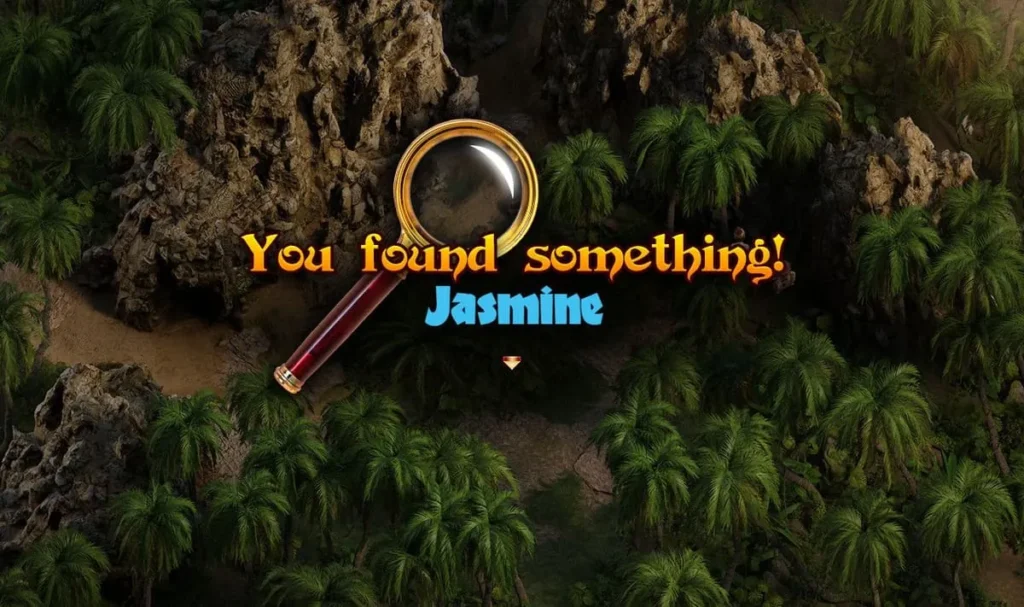
Your primary tasks are exploration, conversation, and collection. You’ll talk to every non-playable character (multiple times!), accept tasks, and scour every nook and cranny for useful items. A rock here, a piece of metal there, a rare flower up on a cliff—everything has a purpose. This is where the game’s crafting system shines. You’ll combine these basic resources to create everything from a simple lockpick to a beautiful trinket meant as a gift.
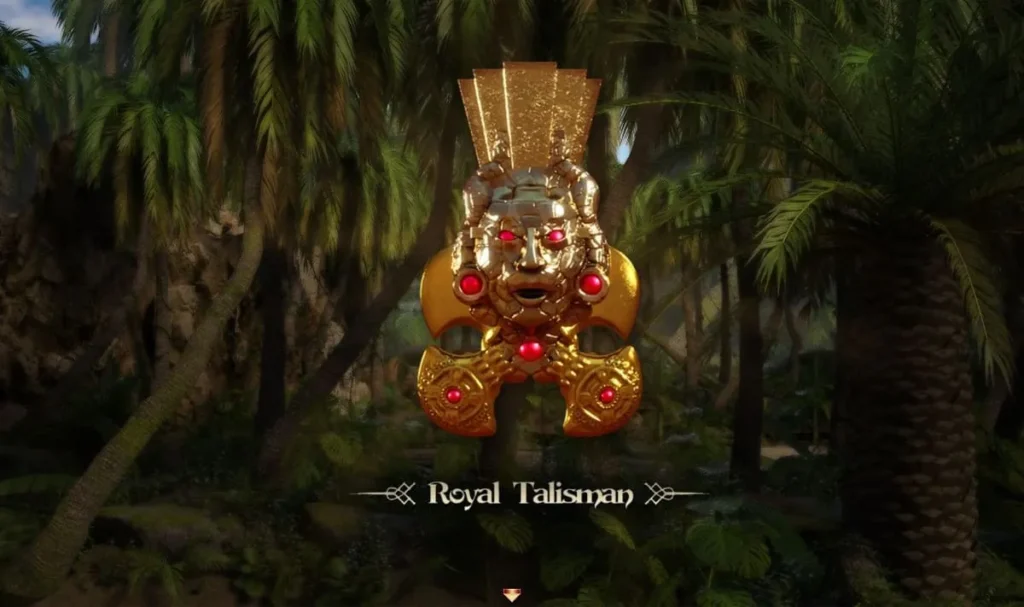
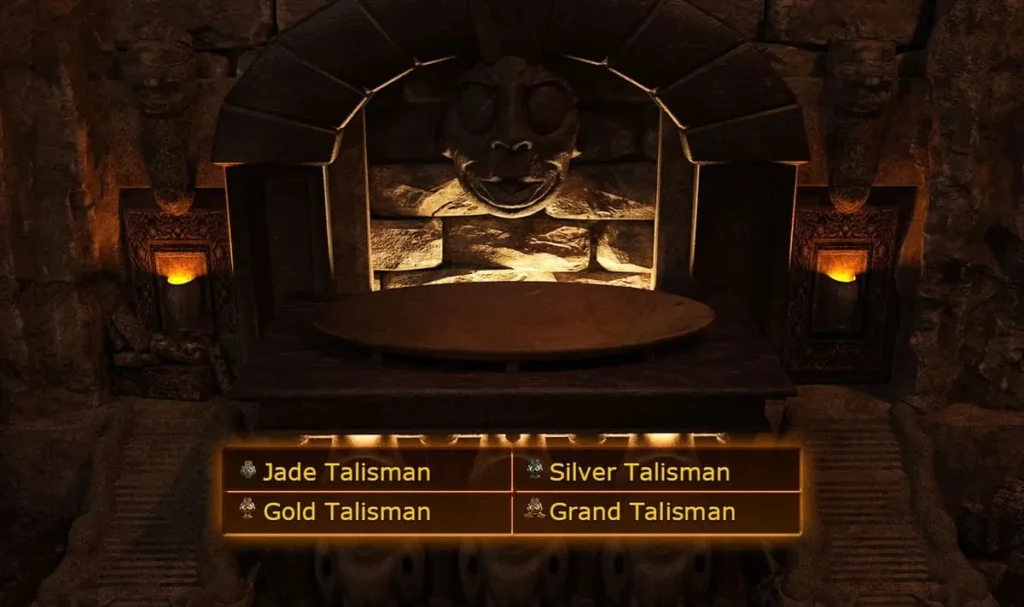
Progress is gated behind these crafted items and light environmental puzzles. You might need to craft a machete to clear a path, find a key to unlock a door, or solve a simple symbol-matching puzzle on a temple wall. The difficulty is very moderate; the solutions are almost always logical. The challenge—and where some players might feel a grind—comes from the backtracking. You’ll often need to revisit previous areas after a new story event opens them up or once you’ve finally crafted that one tool you’ve been needing.
Here’s my biggest piece of Treasure of Nadia walkthrough basics advice: talk to everyone, and check everywhere, again and again. The game’s journal helps track active tasks, but it won’t hand-hold you. If you’re stuck, it’s almost always because you missed a conversation trigger in town or haven’t combined two items in your inventory yet.
To help visualize the core loop, here’s a breakdown of the typical progression cycle:
| Phase | Your Main Activity | Why It Matters |
|---|---|---|
| Exploration & Talk | Roam the island, enter new zones, and chat with all characters. | Unlocks new tasks, reveals story clues, and adds recipes to your craft list. |
| Gathering & Crafting | Collect resources (stones, plants, artifacts) and combine them at workbenches. | Creates the essential tools, keys, and gift items needed to overcome obstacles. |
| Puzzle & Unlock | Use your crafted items to solve environmental puzzles or unlock new areas. | Advances the main plot and opens up opportunities for character relationship scenes. |
| Story & Reward | Experience narrative cutscenes and character-driven romantic moments. | Provides the payoff for your efforts and deepens your connection to the world. |
This structure means there are stretches of gameplay focused purely on collection and puzzle-solving between the more explicit story beats. Some players love this as it builds anticipation and makes the world feel substantial. Others might find the resource gathering repetitive. Personally, I found it created a rhythm that made the relationship milestones feel truly rewarding. You’re not just clicking “next”; you’ve worked for that moment. 💎
How Treasure of Nadia compares to other adult games
If you’re familiar with the world of adult gaming, you’ll know it’s dominated by a few main styles. Treasure of Nadia carves out a very distinct niche by blending them thoughtfully.
Vs. Static Visual Novels: Most adult visual novels are primarily about reading and making occasional dialogue choices. Treasure of Nadia gives you so much more agency. Instead of just reading about Nate exploring a temple, you control him, you find the hidden lever, and you solve the puzzle. The adult adventure game label fits perfectly here—the adventure is just as important as the adult content. You have an actual overworld to navigate, side tasks to complete, and collectibles to find, which adds dozens of hours of engaging gameplay.
Vs. Click-Through Galleries or Sandboxes: Some games function more as interactive galleries with minimal plot or simple sandbox modes where you trigger scenes directly. Treasure of Nadia provides a strong, linear narrative structure. The scenes are locked behind story progress, which motivates you to keep playing the actual game. It’s a complete experience, not just a collection of moments.
Vs. Hardcore RPGs: On the other end of the spectrum, some adult games feature complex stats, skill trees, and combat systems. Treasure of Nadia wisely avoids overwhelming complexity. Its systems—crafting, relationship meters—are simple and intuitive. This makes it incredibly accessible. If your main interest is in the story, characters, and romance, you won’t be bogged down by managing intricate character builds or difficult combat encounters. It’s the perfect middle ground. ⚖️
In my Treasure of Nadia review perspective, this comparative positioning is why the game has been so successful. It offers the narrative depth of a visual novel, the interactive engagement of an adventure game, and the rewarding progression of a relationship simulator, all wrapped in a polished package. The pacing, which alternates between exploration and intimate storytelling, ensures you’re always working toward a tangible goal, making the entire journey feel purposeful.
So, is Treasure of Nadia worth playing? If you want an adult game that respects your intelligence, offers a genuine sense of adventure, and ties its mature content to a story you’ll actually care about, then the answer is a resounding yes. It has its minor flaws—some backtracking, occasionally repetitive tasks—but they are far outweighed by the charm of its world, the appeal of its characters, and the satisfaction of its treasure-hunting core.
💡 Pro Tip: Don’t rush! The joy of Treasure of Nadia is in the journey. Savor the exploration, read the dialogue, and let the relationships build naturally. Trying to “speedrun” to the adult scenes will cause you to miss what makes this game special.
Your Treasure of Nadia Starter Kit: Quick FAQs
Do I need to play the prequel first?
Nope! Treasure of Nadia is a completely standalone story. While it shares a developer and some very loose thematic connections with “The Genesis Order,” you can start here without any confusion. This is the perfect entry point.
How hard is Treasure of Nadia?
It’s not a difficult game in terms of complex puzzles or challenges. The “difficulty” comes from patience and observation. If you’re stuck, remember: re-explore old locations, talk to everyone again, and double-check your crafting recipes. There’s no penalty for taking your time.
Is there a lot of grinding?
It depends on your definition. There is resource gathering, which some might call grinding. However, since you’re almost always exploring new areas or revisiting old ones with a new purpose, it usually feels more like purposeful collection than mindless repetition. Using a guide for resource locations can minimize this if it’s not your thing.
What’s the best way to experience the story?
Go in blind for your first playthrough! Avoid detailed walkthroughs that spoil story surprises. Use guides only for specific resource locations or if you’re truly stuck on a puzzle for too long. Let the adventure unfold naturally.
Treasure of Nadia blends treasure-hunting adventure with explicit romance in a way that gives you more to do than just click through a series of scenes. By exploring the town, hunting for artifacts, and slowly building relationships, you get the feeling of playing a light role-playing game with a strong focus on cinematic moments. If you enjoy character-driven stories, relaxed puzzle-solving, and a steady flow of adult content that feels connected to the narrative, Treasure of Nadia is likely to be a satisfying experience. Take your time, experiment with crafting and exploration, and decide for yourself whether this blend of story and sensuality fits what you are looking for in an adult game.